
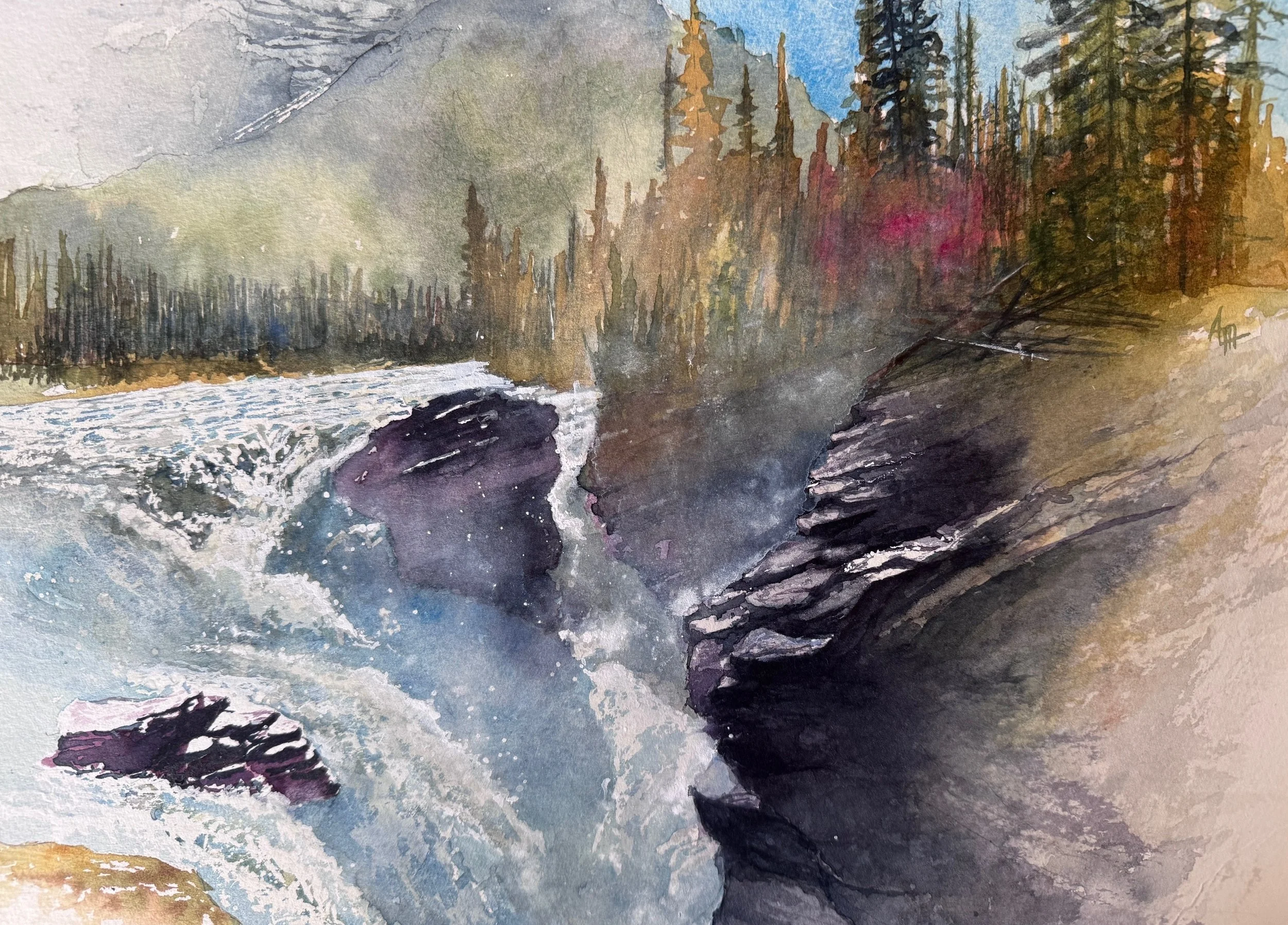
Contour: A Peek Behind The Canvas
We invite you to meet the artists behind Contour and delve deeper into their artistic methods, passionate beginnings, and inspirations.
Twist Gallery’s Contour exhibit explores growth, change, and renewal through layered textures, shifting landscapes, and expressive abstract forms. Viewers are able to step into an immersive visual experience where texture becomes story and time unfolds in cycles. From shifting horizons to textured surfaces that echo seasons passing, each piece reflects the rhythms of life, inviting viewers to pause, reflect, and connect with the ever-evolving nature of memory, place, and transformation.
We invite you to meet the artists behind these fabulous pieces and delve deeper into their artistic methods, passionate beginnings, and their inspirations.
Divyani Chandorkar
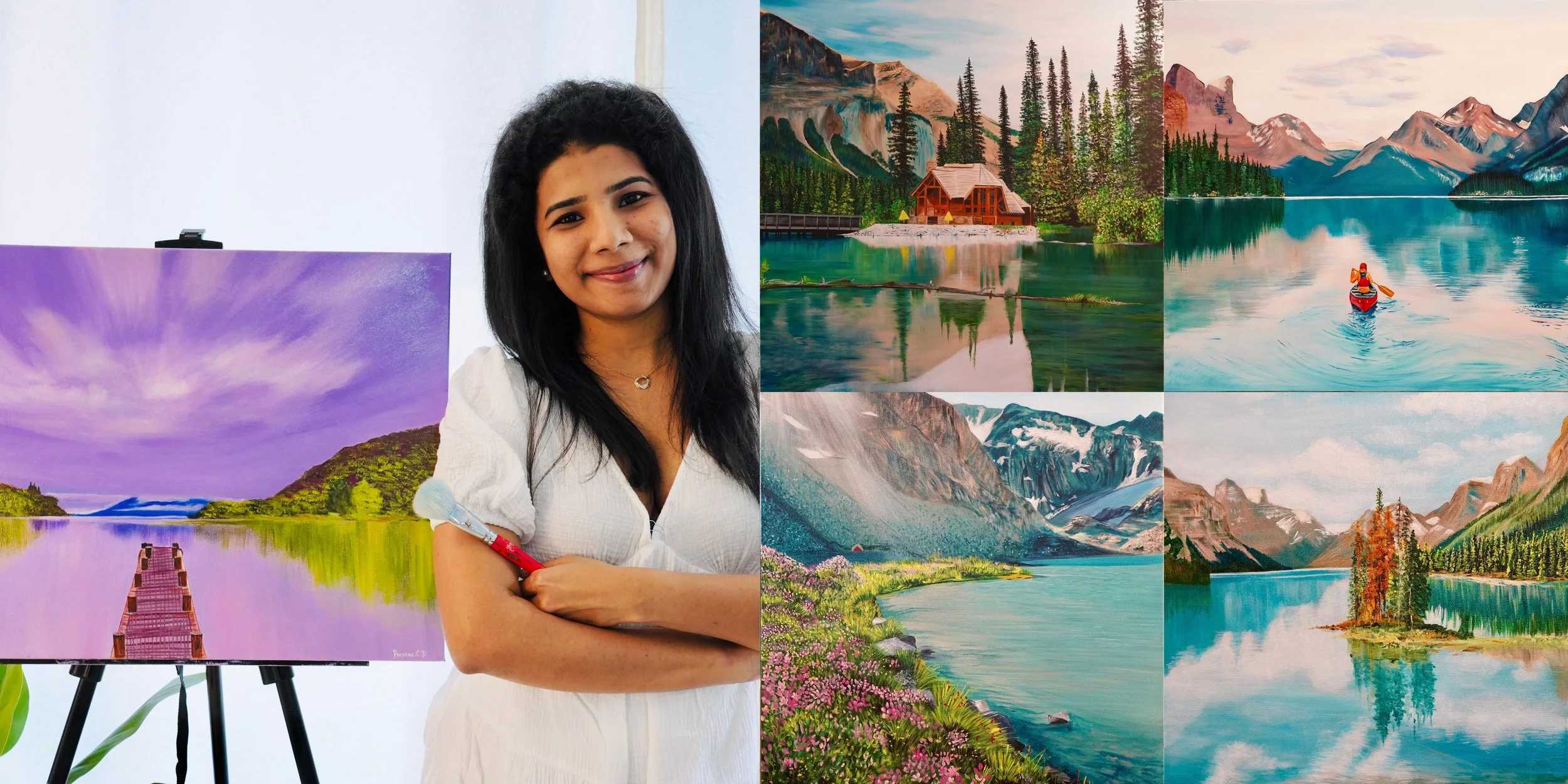
You’ve stated that you are less interested in capturing realism and more inclined to leave space for the viewer’s own interpretation. Do you believe a piece becomes more meaningful when viewers are able to project their own memories, experiences, and emotions onto what they see?
“Absolutely. I love when a painting allows the viewer to bring their own memories and emotions into it. I don’t want to tell someone exactly what they should feel or see. If a painting reminds them of a place, a moment, or simply makes them feel calm or connected to nature, that makes the work more meaningful to me.”
You are particularly drawn to the Canadian Rockies as a subject within your work. What is it about the Rockies that continues to resonate with you compared to other elements of the Canadian landscape?
“The Canadian Rockies became a big inspiration for me after my recent trip. There is something very powerful and peaceful about the Rockies. The combination of dramatic mountains, quiet lakes, and endless wilderness really draws me in. Every time I see them, the light, colours, and atmosphere feel different, so there is always something new that inspires me to paint.”
As a self-taught artist, how has teaching yourself to paint shaped your creative process and the way you approach each new landscape?
“Being self-taught has allowed me to explore at my own pace and develop my own way of seeing and painting. I’m always experimenting and learning from each painting. When I approach a new landscape, I focus less on getting every detail right and more on capturing the feeling and atmosphere of the place.”
Lynden Cowan
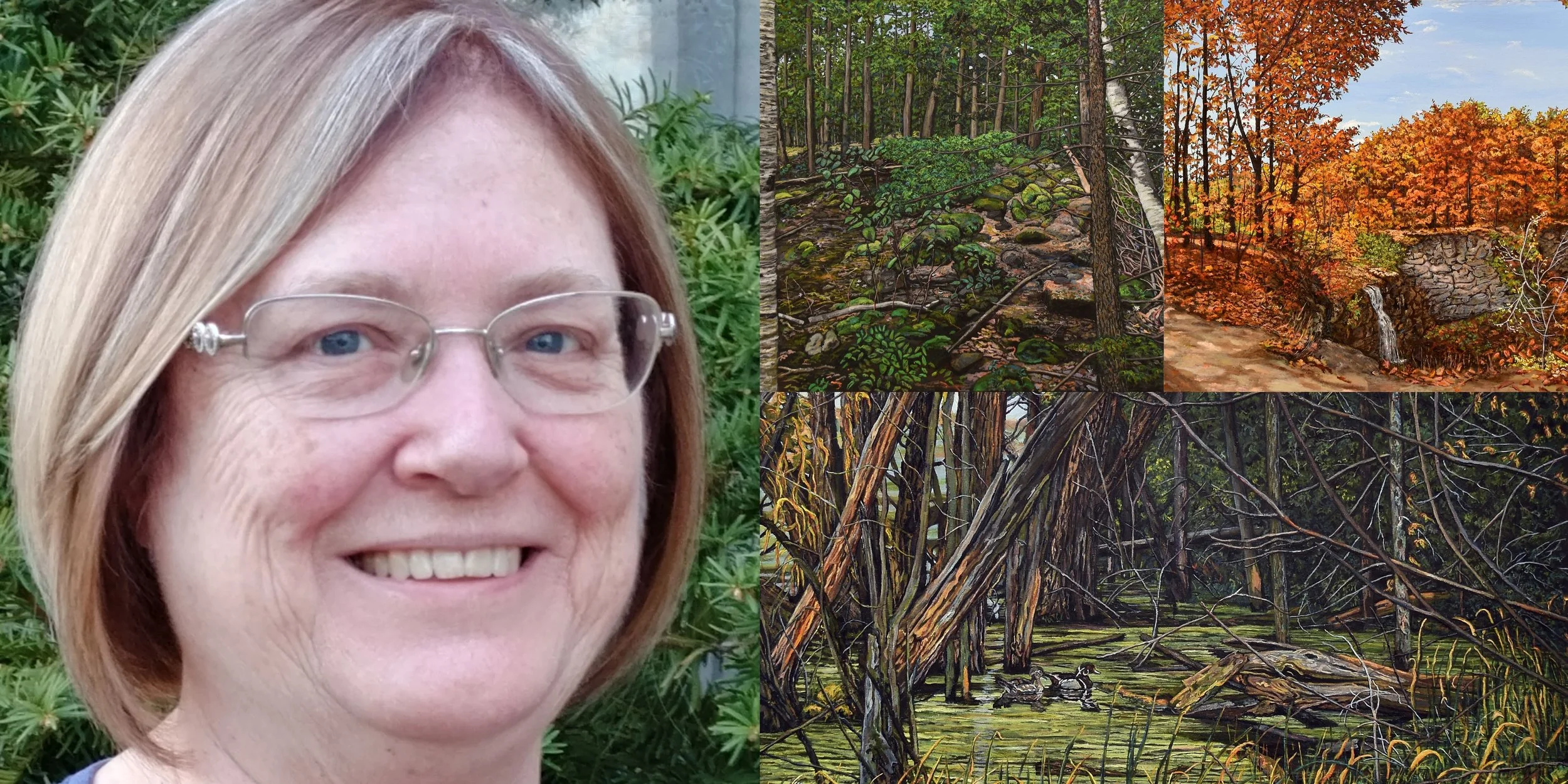
Your childhood summers in rural Nova Scotia clearly shaped your connection to nature. How do those coastal and woodland memories continue to guide your selection of landscape subjects today?
“Growing up, summers were spent at my grandmother’s home in rural Nova Scotia, where I played by the ocean, ran through the woods, and more, so this influenced how I paint. When you sit in the mist of the rolling fog from the ocean, or crouch down in the bushes to hide from and observe a nearby moose, or dig clams in the fading light of the day when the tide is out, the subjects meld with your soul and you try to convey the feeling you are experiencing to others in your artwork. Paintings are meticulously rendered from multiple layers of thinly applied paint, and small strokes pick up the desired natural light, leaving the viewer with the sense that they are standing right there, as part of the painting.”
You’ve described yourself as a self-taught artist. What initially inspired you to pursue painting, and what motivated you to develop your practice independently?
“I first started painting when I was eight years old and would grab the left- over wood that my father had, who was a cabinet maker, to use as my canvas. Paints were created from vegetables and fruits and using my mother’s pots, but I gradually evolved to real paint, when a group of teachers brought a small gift to my home at Christmas, of real oils and canvas. When I was fourteen, since there were not many jobs available for kids that age, I opened art classes, and at one point had eighty- three students in several small groups, and also started doing commissions for various requests. Through the week I paint in my studio at home, but on weekends you most often find me in my studio at the Alton Mill Art Centre. As a self- taught artist, I prefer oil paint on canvas, and for the most part, using triple zero brushes for working on fine detail.”
You’ve expressed a desire to capture the beauty of nature in your work as a means of encouraging viewers to appreciate, protect, and improve the environment. Was there a particular experience or moment that inspired this environmental focus, or has it developed from a longstanding personal passion?
“I try to share some of the beauty of an area and hope that it will entice the viewer to enjoy more of what Mother Nature has to offer in the outdoors, and hope that they will engage in protecting and trying to improve our environment. My deep commitment to environmental causes continues to this day, and as a Signature member of the Artists for Conservation, I fulfill my core obligation of needing to have a personal conservation project and providing education, by looking after the turtles at the Alton Mill Arts Centre, where my official title with another artist belonging to the same group is Turtle Nanny.”
Daria Gavrilina
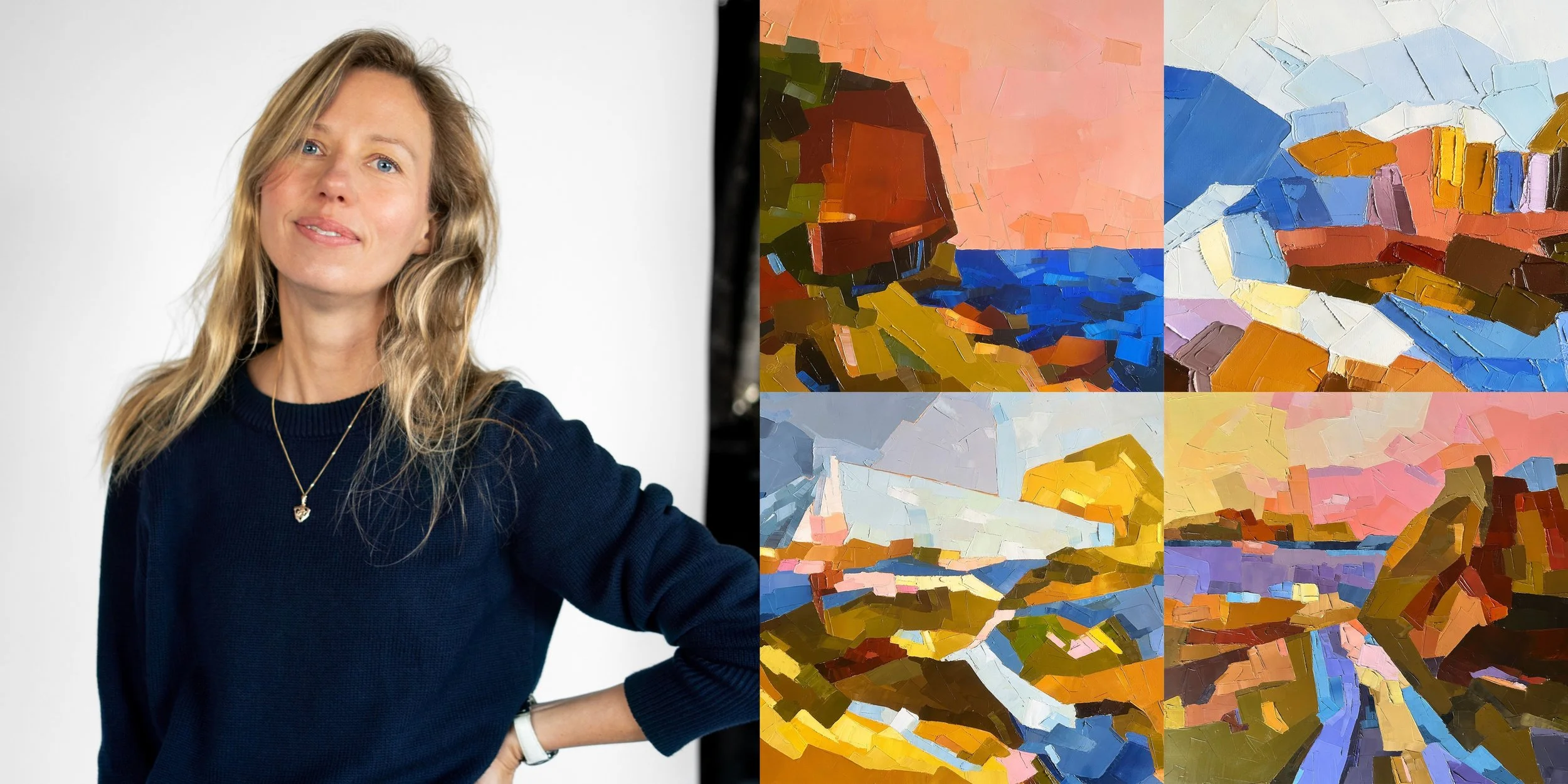
You frequently incorporate the palette knife technique into your work. What initially inspired you to employ this particular method of painting compared to other styles?
“The palette knife offered a level of structural flexibility that is challenging to achieve with using brushes. It allowed me to shift away from soft blending toward defining nature through clean, geometric planes. This technique provides the freedom to switch instantly between broad, colour fields and crisp edges, giving the canvas both architectural geometry and rich tactile depth.”
When observing nature and identifying sources of inspiration for your work, do you follow a particular process or set of criteria? How has this approach to observing and interpreting your surroundings evolved throughout your artistic practice?
“I usually capture numerous photos on nature trips, bring them to the studio, start with sketches, and then progressively simplify and break the compositions into clean geometric blocks. This semi-abstract approach creates a grounded, tranquil experience while leaving open space for your own personal interpretation.”
Your paintings often evoke a strong sense of calm and tranquility. What initially inspired your interest in conveying these qualities, and why have they become such an important part of your artistic expression?
“I wanted to create visual spaces where people can truly pause and unwind. Even when working with vibrant hues, the colours are carefully balanced to complement rather than overwhelm - inviting you into a warm, dreamy space that offers a sense of grounding and stability.”
Irina Laskin
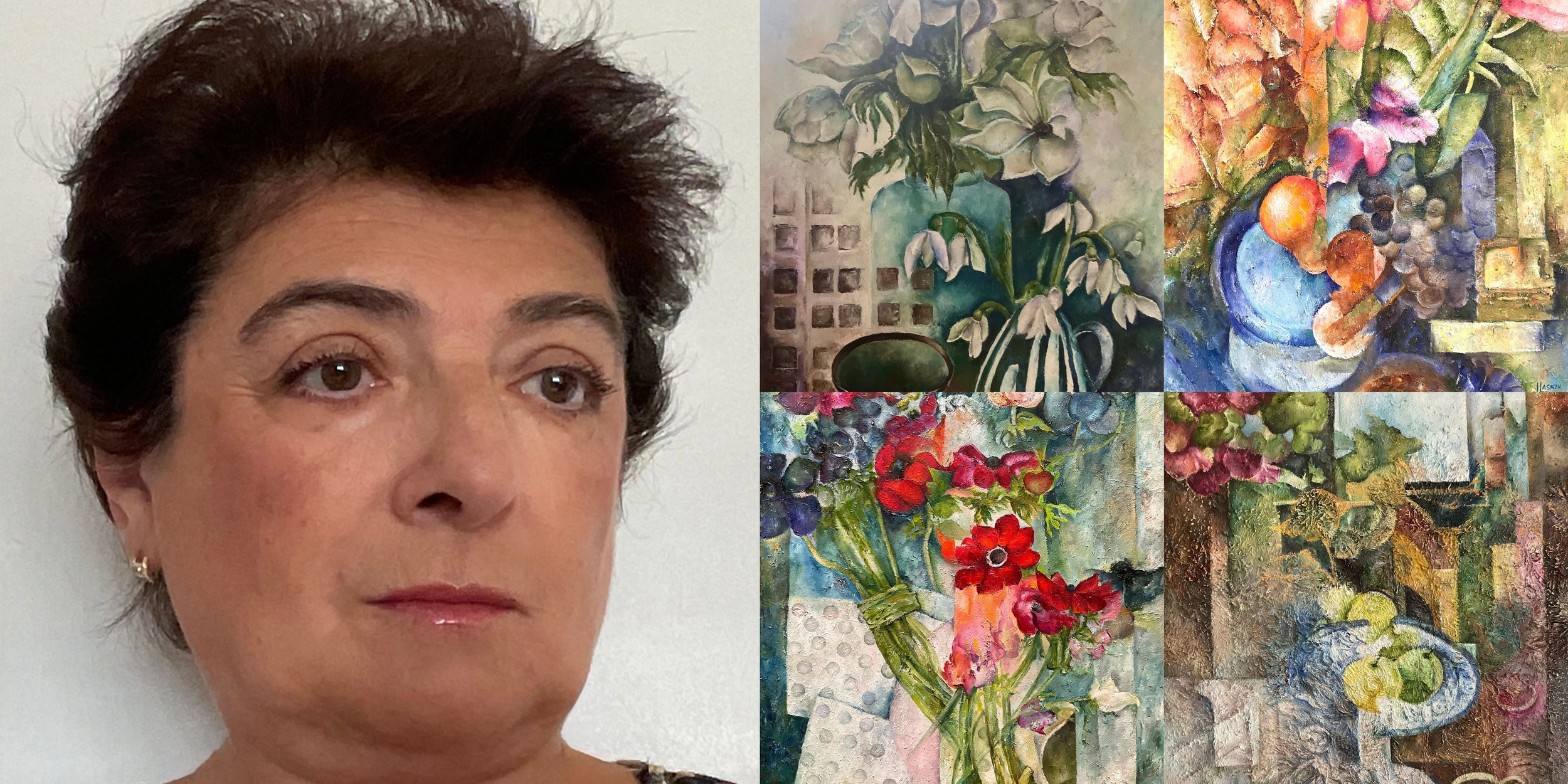
Your work often brings together elements of architecture and nature in ways that feel both unexpected and cohesive. How do you identify relationships between these seemingly distinct sources of inspiration? Are you drawn to particular formal elements or is the connection more intuitive and rooted in an emotional response?
“My background in architecture has strongly influenced the way I see the world. As an Architect, I learned to look at objects not only for what they are, but also for how they can be transformed and brought together to create a new composition. Nature provides a very different kind of inspiration. It is less controlled and more spontaneous, but it has its own rhythm, structure, and harmony. I often find connections between architectural forms and natural shapes through their lines, contour, textures, and movement. Sometimes I begin with a particular shape or formal relationship, but very often the composition develops through an emotional response to what I see. I enjoy discovering unexpected relationships between objects and bringing them together into one image.”
You emphasize the importance of reinterpreting reality rather than simply replicating it. What factors most strongly influence the way you reinterpret what you observe? Do your current emotions, personal experiences, and memories play a role in transforming familiar subjects into something more abstract and expressive?
“For me, painting is not about copying what I see. It is about interpreting it and discovering something new within it. I am interested in taking familiar objects and transforming them through colour, shape, proportion, texture, and composition. My emotions and experiences definitely influence this process. The way I see the same object can become simplified, rearranged until they take on a different visual language. Sometimes the unexpected result is more interesting to me than the original idea. I want the work to remain connected to reality, but at the same time to offer the viewer a different way of seeing it.”
Your paintings regularly transform everyday objects into vibrant, collage-esque compositions that still feel familiar while incorporating a fresh perspective. What do you hope viewers will discover or feel when experiencing these common items through your unique artistic perspective?
“I hope viewers recognize something familiar, but then pause and look at it differently. Everyday objects can become surprisingly expressive when they are removed from their usual context and brought together in an expected composition. In my abstract still lifes, I often think of the composition almost like a collage. I take different forms, colours, patterns, and fragments and assemble them into a new visual whole. Colour and energy are very important to me. I want the paintings to create a feeling of movement, curiosity, and joy, while also inviting the viewer to spend time discovering the different elements within the composition. I don't want to tell the viewer exactly what to see. I would rather leave room for personal interpretation, so each person finds their own associations and emotions in the painting. I also want to add that this is my first exhibition after a long break. Returning to exhibiting my work feels like an important new chapter in my artistic journey.”
Joanne Lomas
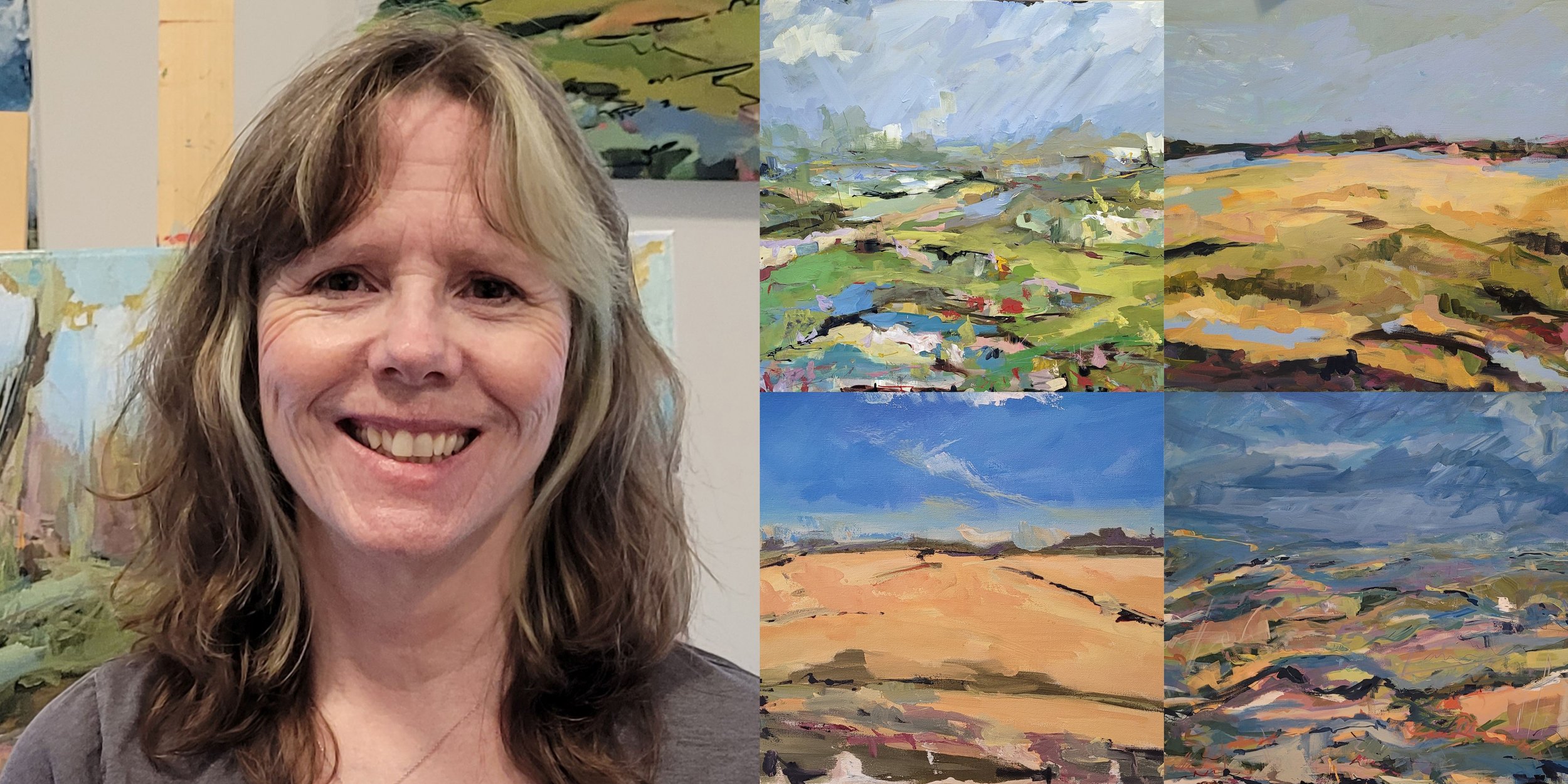
You talk about evoking sensory experiences within viewers instead of just simply moments in time. What drew you to this particular desire compared to simply imitating the landscapes you see on a canvas?
“As an artist I like my paintings to be about the moment. The viewer of my work may experience a moment as I did, perhaps not the same but their own. I create my paintings to be more than what is seen but a moment for the viewer to enjoy and visually wander around the canvas . My paintings stand on their own, not a reproduction but a new experience for the viewer. I want my work to allow the viewer to look at all the areas and create their own story.”
You’ve described your practice as intuitive and process-driven. Could you elaborate on what this process looks like for you, from the initial stages of developing an idea to the completion of a work?
“When I paint my abstract landscapes I begin with large areas of colour then slowly add colours, mixing and creating new colours as I work into the painting. I add shapes, lines, and textures creating conversations with what is already on the canvas. There is no initial planning, I just paint and work through how the colours blend and react to each other. I love how a colour looks in one area of the painting yet the same colour is completely different when placed against other colours in different areas of the canvas. A lot of my time is spent looking and deciding what is needed to create a painting that becomes something of its own and not a duplicate of its source. I recreate from my memories changing out recognizable forms into patterns, shapes and blurred spaces.”
Your work is inspired by landscapes in motion compared to static viewpoints. How has consistently observing the world while traveling through Southern Ontario altered the way you view and interpret colour, light, and atmosphere in your everyday life?
“I’ve always been intrigued by motion in paintings. Gerhard Richter’s paintings are some of my favorite as he blurs his subject matter. Much of my work involves motion and blur such as my spin series that blur the landscape in a circular formation. Light is an important aspect of painting and I am always watching when hiking or traveling in a car for the exciting moments when light highlights a perfect subject or creates patterns across a field. Just as the same colour can change in different parts of a painting, I love how light can also create new excitement in the same areas. Sometimes, it is hard for an artist to know when the painting is complete. With this series, after adding all the colours, lines, shapes, and playing with light and shadows, I can tell I’m finished when there is just no other place to put a drop of paint that will still dance. Music is important when I paint as often I will sing and dance as I work to really feel the moment. I enjoy painting and perhaps that is seen in what a create.”
Annette McArthur
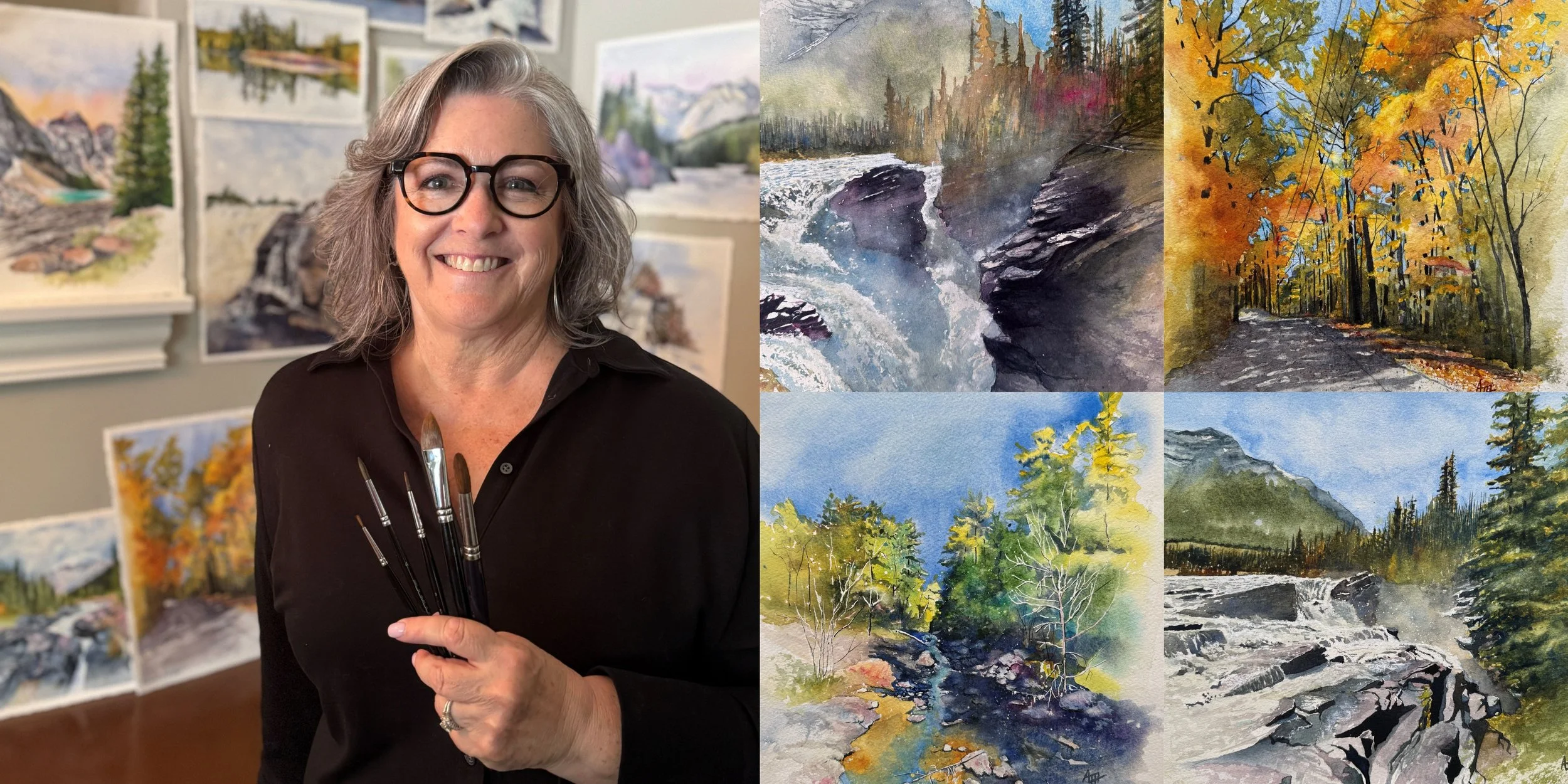
You mentioned that this is your first gallery exhibition. What inspired you to present your work at Contour, and what drew you to the gallery as a space to introduce your practice to a wider audience?
“I love the idea of an event space where the art is exposed to a wider audience. Potentially someone new who never thought of purchasing an original piece of artwork before but finds a piece that really speaks to them.”
You’ve spoken about being inspired by the understated beauty of Canada's scenic landscapes. When you encounter landscapes that influence your work, do you intentionally seek out particular places and scenes, or do these moments tend to emerge spontaneously through your everyday experiences?
“Definitely there are times that I seek out places and scenes but for the most part the moments tend to emerge through everyday experiences.”
Your artistic process is highly detailed and methodical, beginning with photography and culminating in a carefully executed watercolour. Has this structured approach always been central to your practice, or has your process evolved over time? If so, what has influenced that evolution?
“My approach has typically remained the same as my main method of artistic expression, however, my eye for potential paintings has grown and matured with my experience as an artist.”
Yangyang Pan
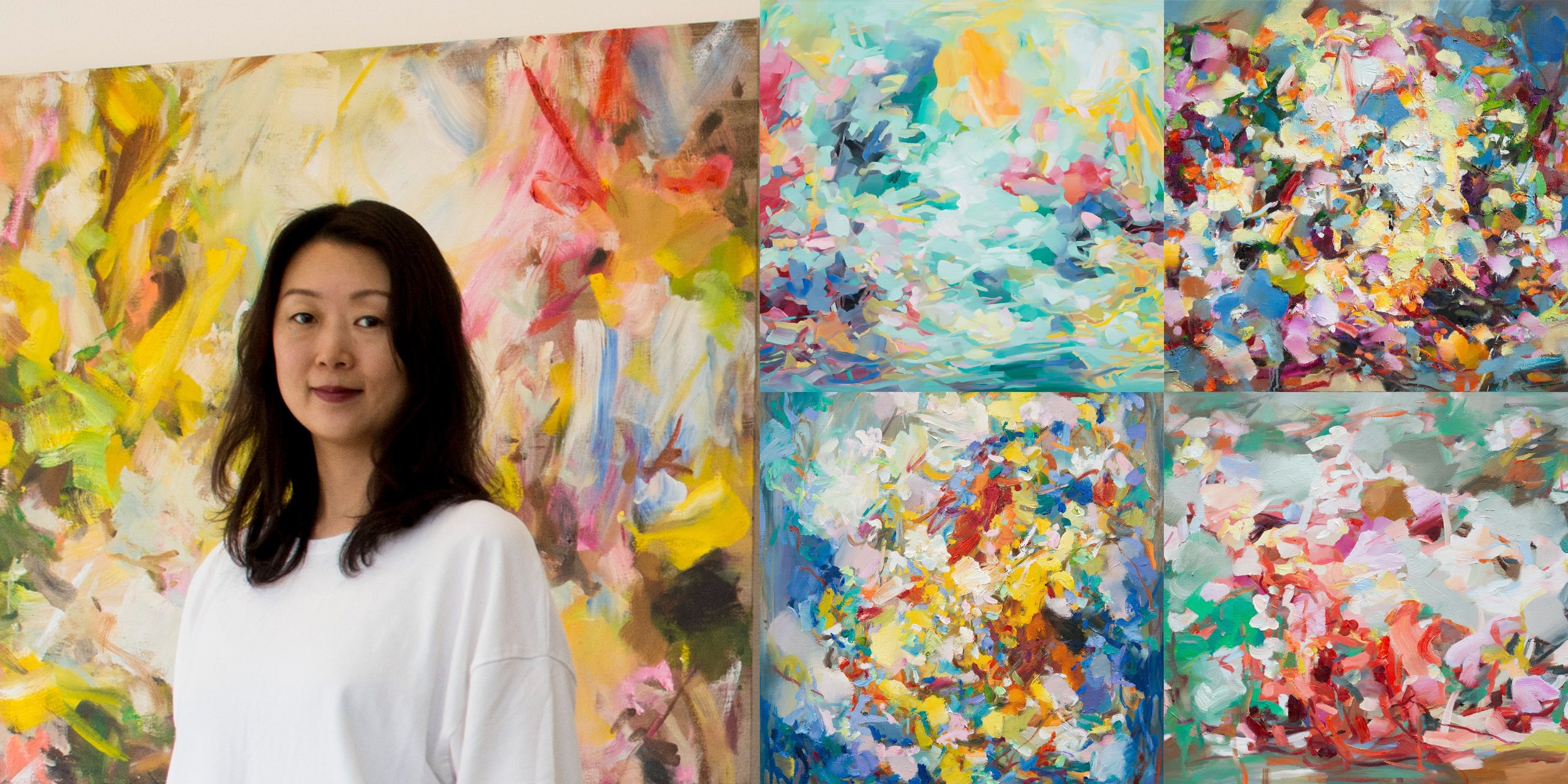
You have described your work as a combination of Eastern aesthetics and Western abstraction. How do you navigate the intersection of these two artistic perspectives while preserving and expressing the distinct qualities of each?
For me, the relationship between Eastern aesthetics and Western abstraction is not a deliberate fusion, but something that has developed naturally through my experience. Growing up in China, Eastern ways of thinking, particularly a reverence for nature, a sense of harmony, and the expressive spirit of Qi within Xie Yi, became deeply embedded in my visual language. At the same time, the freedom of colour and mark-making, as well as the physical intensity of Western Abstract Expressionism, offer me a way to express these ideas in a more contemporary and expansive language. Rather than defining a boundary between the two, I am interested in what can emerge in the space between them, and how seemingly ordinary and traditional Eastern ideas might open up new possibilities through contemporary abstraction.
You have stated that, rather than working from a fixed plan, you allow emotion to guide your creative process. How does your emotional state influence the way you approach a painting, and in what ways do you see those emotions reflected in the finished work?
Each painting for me is both an exploration and a process of confronting myself honestly. Most of the time, I begin with a general idea or subject in mind, but without a fixed outcome. I allow the painting to unfold through the movement of the body, intuition, and emotion. What keeps me engaged in the process is the openness it allows and the freedom to express my inner voice instinctively across the canvas. I enjoy remaining open to whatever may emerge, allowing the desire to express something to flow through every element of the painting. The finished work carries traces of that emotional process, even when the original emotion is no longer visible in any literal sense.
Do you find yourself returning to particular memories, experiences, or emotions throughout your artistic practice, or do you intentionally seek to explore different moments and emotional experiences with each new work?
I definitely find certain memories returning while I am working, but I do not consciously direct my attention toward them. Instead, I respond to what is happening on the canvas in the present moment, to the lines, colours, and the way these elements begin to interact with one another. The memories are there, but they become part of the intuitive process rather than something I try to depict. I tend to hold on to positive emotions and a sense of passion, allowing them to push the painting toward something unexpected. Sometimes this leads me to a point on the canvas that I could not have anticipated when I began. Those unexpected moments are often where the painting becomes most interesting to me.
Steve Wilson
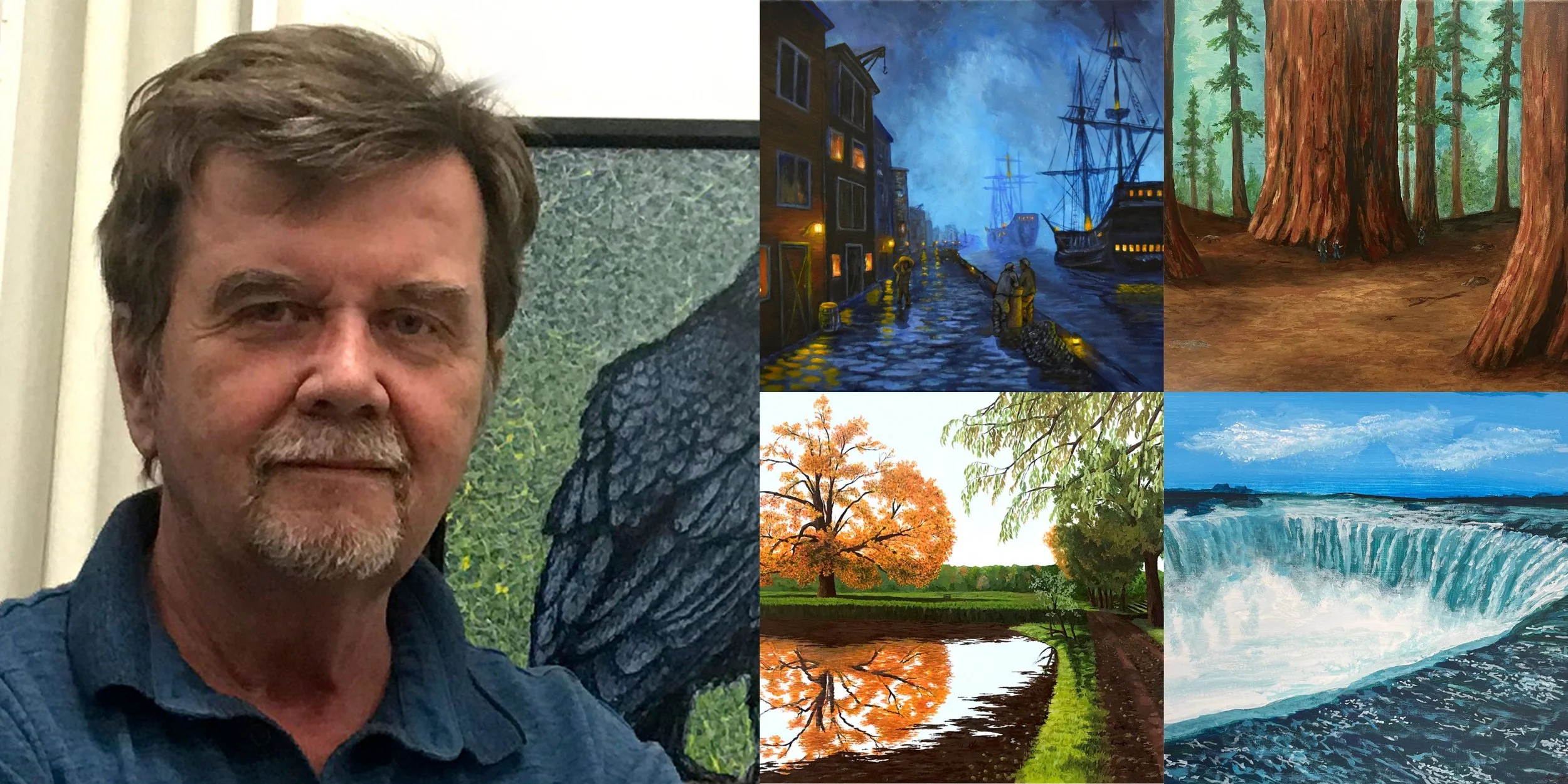
What initially drew you to approach your work through a more satirical lens, rather than focusing solely on realistic representation?
“In a lot of my work, I like to create a conversation with the viewer, present a view point that I want to portray In some instances, I use a satiric angle to allow the viewer to see my point or to drive their own conclusions. I do produce work that is solely realistic and pretty, but most of my larger pieces have a message with them that engage the viewer and challenge their view, allowing them also to challenge mine. I enjoy capturing light and shadow creating a mood as in one of the pieces in the Contour show at Twist Gallery - namely “The Docks”.”
Your work often seeks to evoke emotion while encouraging viewers to look beyond the immediate image and discover hidden details or messages. How do you approach balancing the story you intend to communicate with the individual interpretations that viewers may bring to the work?
“I feel the most important work evokes an emotion or feeling from the viewer, allowing the viewer to take something away with them, something that lives in their head and imagination. I like to hide little strings throughout some of my pieces, giving that little something extra to the viewer that allows them to take the time to explore my work. I try very hard to have these little gems not be at the forefront and not in your face, but rather hidden for the person that takes their time.”
You have worked extensively as an artist, educator, juror, and arts advocate throughout your career. How have these different roles influenced your own artistic practice, particularly the way you evaluate, develop, and communicate your work?
“In my 25 years producing work and putting my work out there for the public to look at, purchase, and enjoy, the experiences along the way have been invaluable to me. I have volunteered in many organizations and served on four different art boards which have all offered something very valuable to my career. I remember one of the first shows, I volunteered as a runner removing work as jurors go through and discuss the value of the work. One of the jurors was very disrespectful on a lot of work, and that I’ve carried forward throughout my life. As a juror myself now, I approach each job and artwork as an honour from the artist to allow me to jury their work. I offer respect to each piece, knowing that each artist puts their heart and soul in their piece. It’s only been in the last few years that I’ve started teaching and offering my knowledge to new artists so they may understand how to capture a feeling in the easiest way. Again, another situation that sits in the back of my mind was talking to an artist that was teaching probably 10 years ago. He chose not to teach how to paint. He told them how to do it because he wanted them to be reliant on him to keep coming back. I choose to share the knowledge and try to convey why and how you’re doing it so that they can make their choices themselves when I’m not there.”
Come visit Twist Gallery’s Contour exhibit on now until October, 29th 2026.
Mark Viola’s First Solo Exhibition Explores the Art of Looking Beyond the Surface
Following a series of group exhibitions at Twist Gallery, Toronto-based artist Mark Viola returns with his first solo exhibition, Through. The milestone provides visitors the chance to view a collection of artwork that reflects years of research, observation and creative development and marks an exciting new chapter in Viola’s artistic journey.

Viola has developed a distinct visual language that combines expressionism, street art and traditional painting methods to integrate every brushstroke, drawing and revision into the final piece. He celebrates the creative process, allowing each layer to reveal how the painting has evolved over time.
Through challenges viewers to look beyond familiar faces and consider the complexity behind popular identification. The show examines the territory between the known and the unknown through portraits of major writers, singers, artists and cultural icons. Viola says “I think many of my subjects have a strong presence in the world, but there’s so much of them that's hidden. I try to get across in my artwork the parts of us that are hidden are just as much of our identity as the public side of us”. These characters are easily identified, but Viola considers them dynamic beings, shaped by the power of memory, experience, and transformation, not static symbols.
All the artwork in the exhibition contains pieces of text, early sketches and traces of previous decisions. These obvious layers are a metaphor for identity itself, suggesting that our identities are always changing and evolving over time. The paintings invite contemplation, allowing us to see both the work and the process that brought it into being.
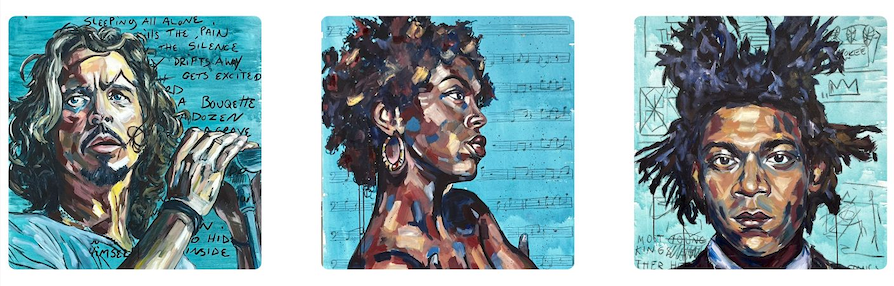
Viola’s work is inspired by the energy of contemporary street art and the works of artists such as Edgar Degas and Jean-Michel Basquiat, combining expressive realism with careful composition. Viola states “I chose Basquiat as a subject for my painting because of my development as an artist and my education as an artist. Basquiat was someone who I saw as a force of nature that brought a sense of power and emotion to my paintings”. Technique and imperfection are fused in his works, and what is often hidden becomes an essential part of the experience of viewing.
Painting for Viola is not about creating an image but about being in a continuing cultural dialogue. He asks audiences to think about how identity is constructed, how perception affects understanding and how everyone has untold stories.
Through, Mark Viola's first solo show, marks a significant turning point in his career and provides viewers with a more in-depth look at his work. Visitors are encouraged to interact with paintings that are open rather than closed, where each layer unveils a different option and each viewing exposes something fresh.
Come explore Through with us at Twist Gallery and learn about a collection that serves as a reminder that the surface is just the beginning. Now until August 28th, this exhibition invites visitors to discover Mark Viola’s layered approach to portraiture and the stories hidden within each work. Join us for the Opening Reception on Thursday, August 13th from 6–9 PM for an evening celebrating Viola’s debut solo exhibition and his exploration of identity, process, and perception.
Embracing the World Cup
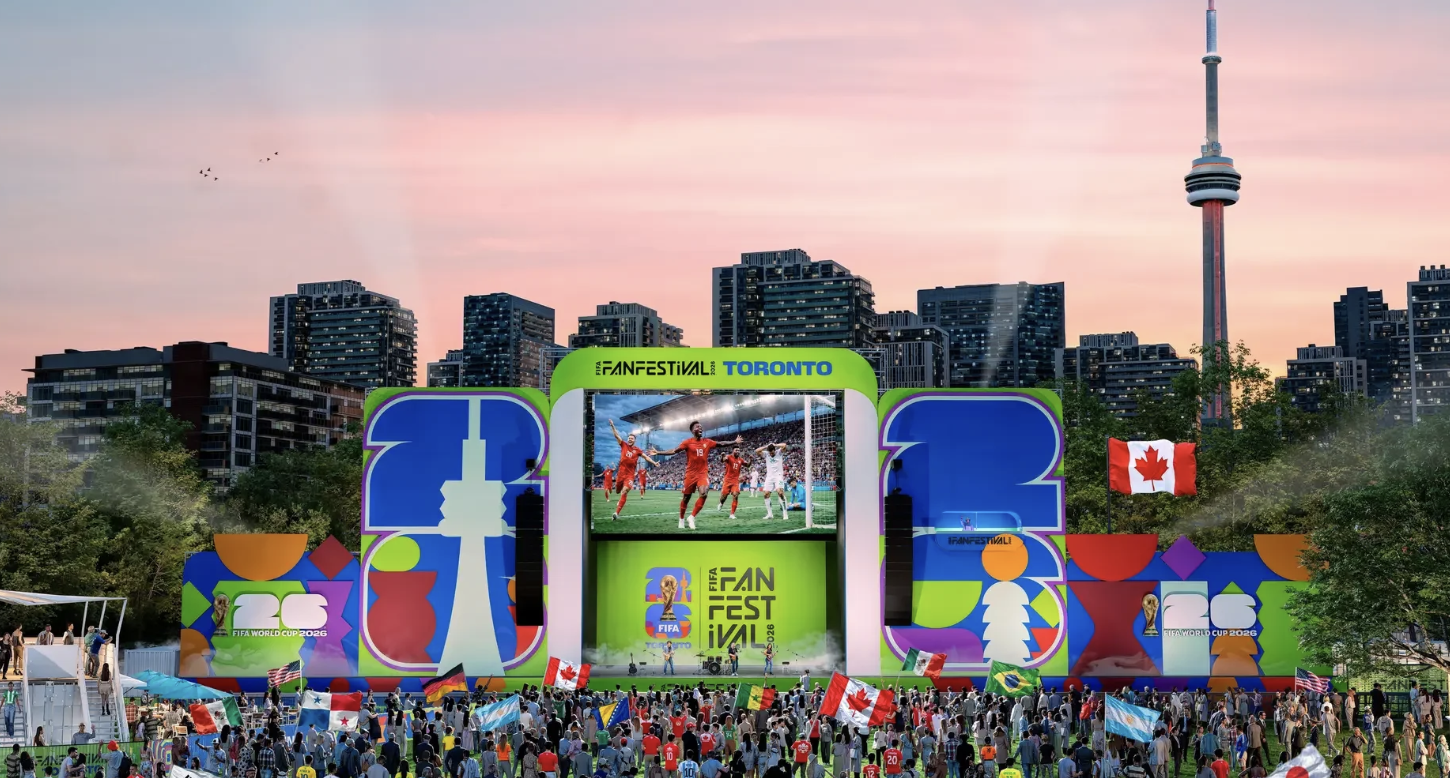
The FIFA World Cup is a globally beloved sports event, and Toronto's Queen Street West shows that the fandom extends beyond the stadiums. This segment of the city, known for its independent, creative, and cultural businesses, is becoming a central hub of community, artistic, and sporting elements.

The FIFA World Cup is a globally beloved sports event, and Toronto's Queen Street West shows that the fandom extends beyond the stadiums. This segment of the city, known for its independent, creative, and cultural businesses, is becoming a central hub of community, artistic, and sporting elements.
Queen Street West is one of Toronto's countless independent businesses, galleries, cafes, restaurants, and entertainment venues. The World Cup is an example of an international event that allows local businesses to engage new customer bases and create memorable local experiences.
Twist Gallery and The Dog & Bear Pub “Terrace” have partnered up for the World Cup. During the tournament, fans are invited to gather at Twist Gallery's “Terrace” for special events such as the Footie Party, which changes the gallery into a match hub day, serving fans with food and drinks in an animated environment. The events include live match screenings, food and beverage packages, and a terrace experience to keep fans engaged for the entirety of the tournament.
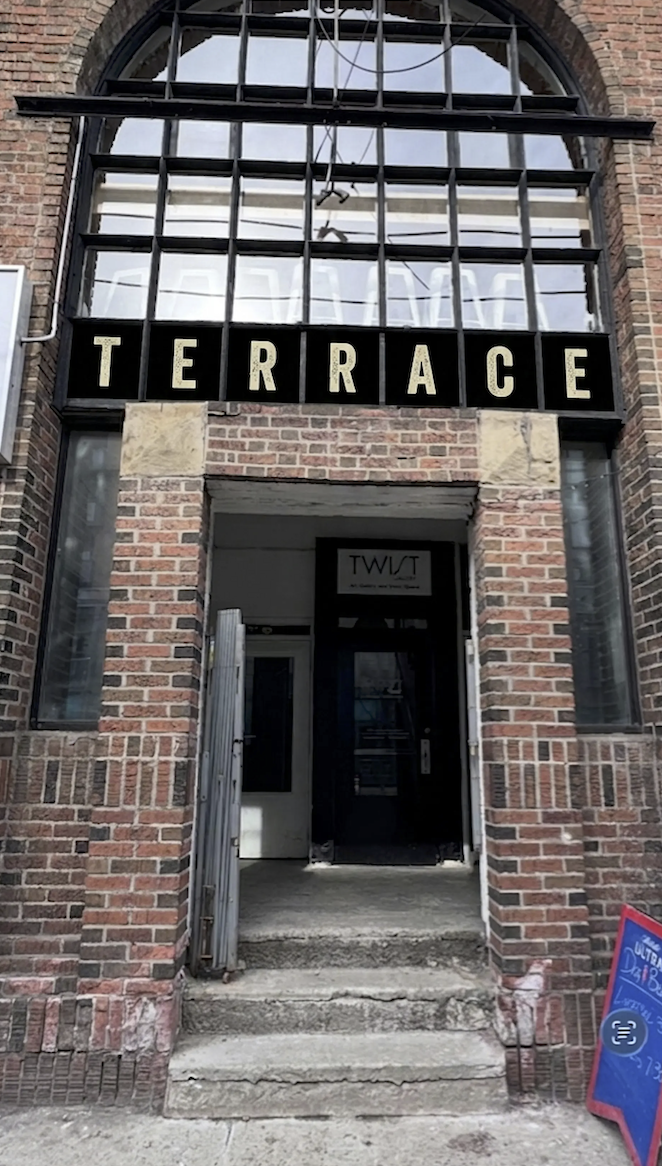
The partnership shows what local businesses can do after an international event to enhance visitor experience. Instead of just airing the games on TV, Dog & Bear and Twist Gallery have organized an event that will bring people into the area, meet and bond with fans, and experience what Queen St. W has to offer that is not related to the game.
For businesses in the area, the World Cup is not just an opportunity for a short increase in foot traffic. This is a chance to expose new customers to the community, feature the distinct character of Queen Street West, and bond with the community. When businesses craft memorable experiences during the tournament, they can turn a global sporting event into a local celebration.
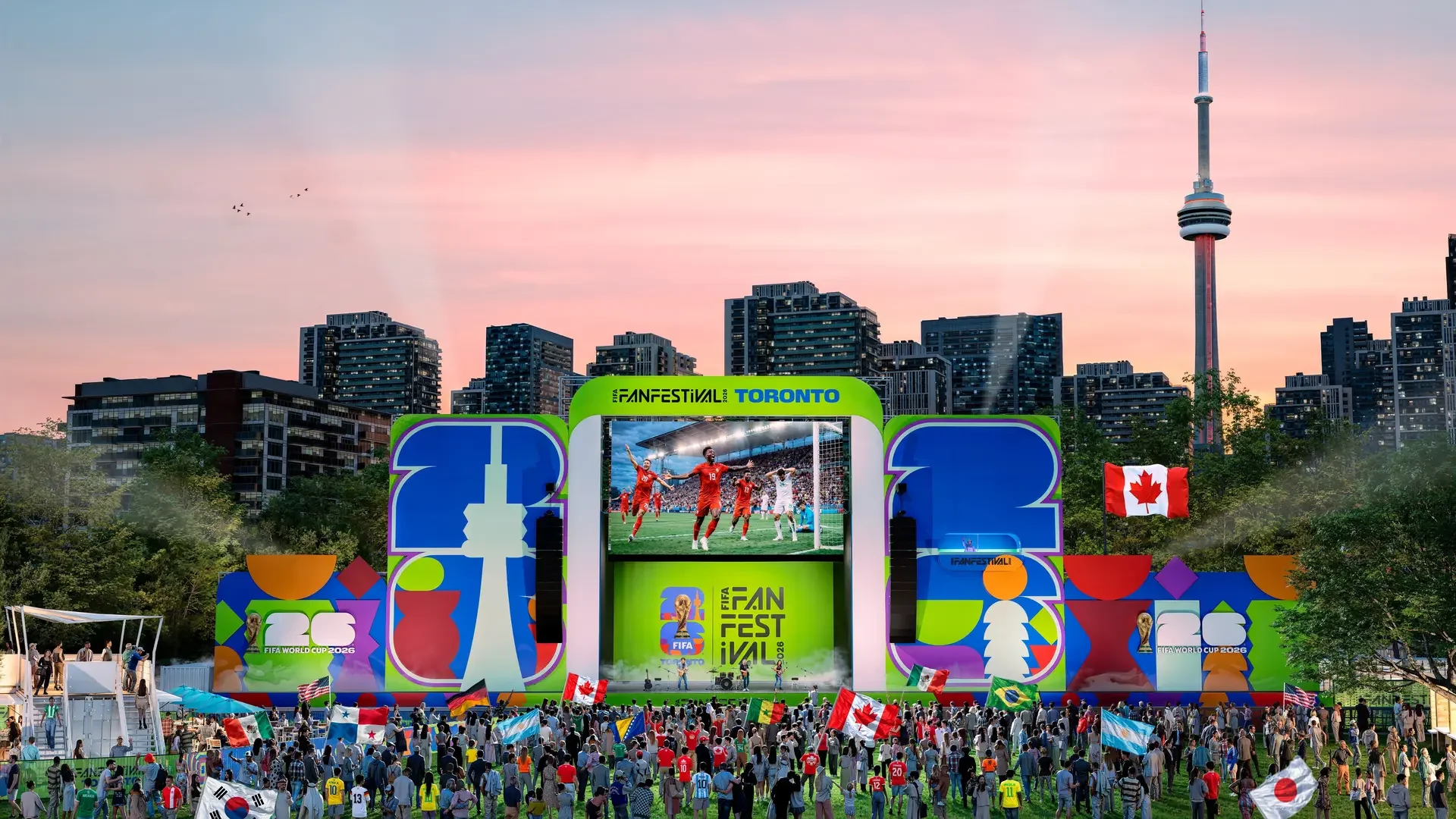
Official FIFA Fan Festival™ Toronto
The FIFA Fan Festival™ Toronto at Fort York & The Bentway is the biggest place where people can watch the World Cup in the city. This event takes place throughout the World Cup, providing free access to fans to an area equipped with large screens on which the games take place, entertainment, food trucks, and other fun activities. It has become the central spot in Toronto for fans without tickets to the games.
Harbourfront's Waterfront Watch Parties
The Harbourfront Centre has turned their lakeshore location into a World Cup hub by showcasing matches on an outdoor screen, entertainers, vendors, artwork, and soccer-related events. The fusion of the view of the lake with the sport of football is truly a unique Toronto experience.
The sports bars in Toronto have seen remarkable growth in their customer support and loyalty during the tournament. Sports bars in the downtown areas have started getting packed hours before the game starts as people gather to watch the match live. This can be attributed to the fact that Toronto is hosting the tournament, thus increasing the number of visitors.
Whether you're cheering for your favourite team, discovering a new local business, or soaking up the atmosphere, Queen Street West offers a unique way to experience the World Cup. It serves as a reminder that the best celebrations happen when community, culture, and connection come together.
5 Outdoor Date Ideas for Art Lovers in Toronto
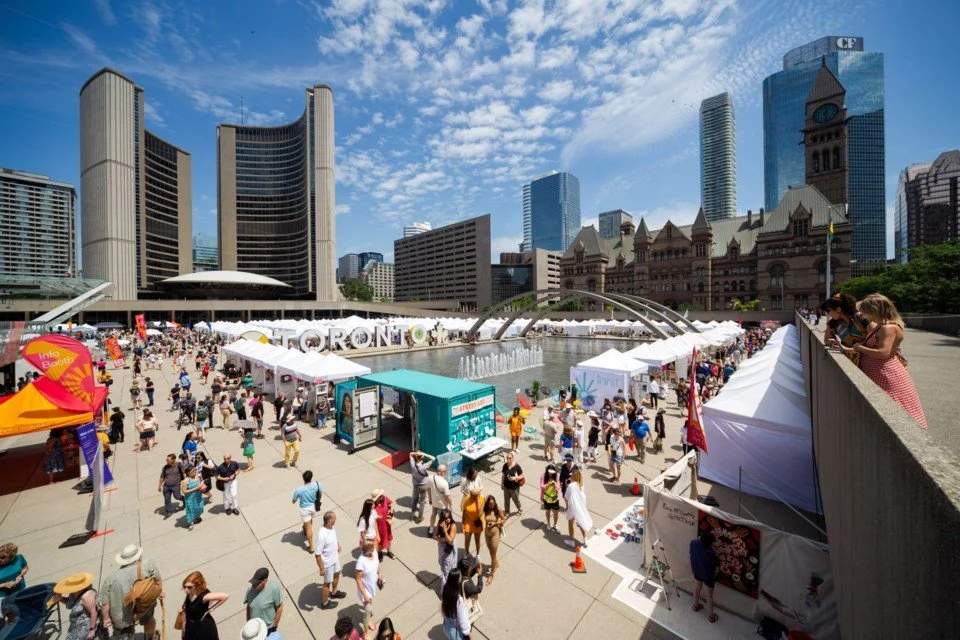
Image from Toronto Today
Exploring Toronto's creative side is ideal throughout the summer. The city provides an endless number of artistic experiences that combine culture, creativity, and connection, whether you're seeking for something new to do with your significant other or are arranging a casual afternoon date. These outdoor date options, which range from sculpture gardens to cozy cafés, are ideal for art enthusiasts this season!
Visit Sculpture Gardens & Public Art Installations
Public art that turns ordinary places into artistic experiences abounds throughout Toronto. The city provides several possibilities to discover art in unexpected places, from eye-catching murals to huge outdoor works. Spend the day exploring artistic hotspots like the downtown core, the Distillery District, and the Harbourfront Centre, where public art promotes dialogue, photography, and exploration.
Additionally, you can visit famous sites like High Park, Canoe Landing Park and, Nathan Phillips Square, all of which provide distinctive artistic and cultural experiences across the city. Visitors can continue the experience indoors by visiting local galleries and exhibitions, such as those at galleries like ours that feature both established and up-and-coming artists.
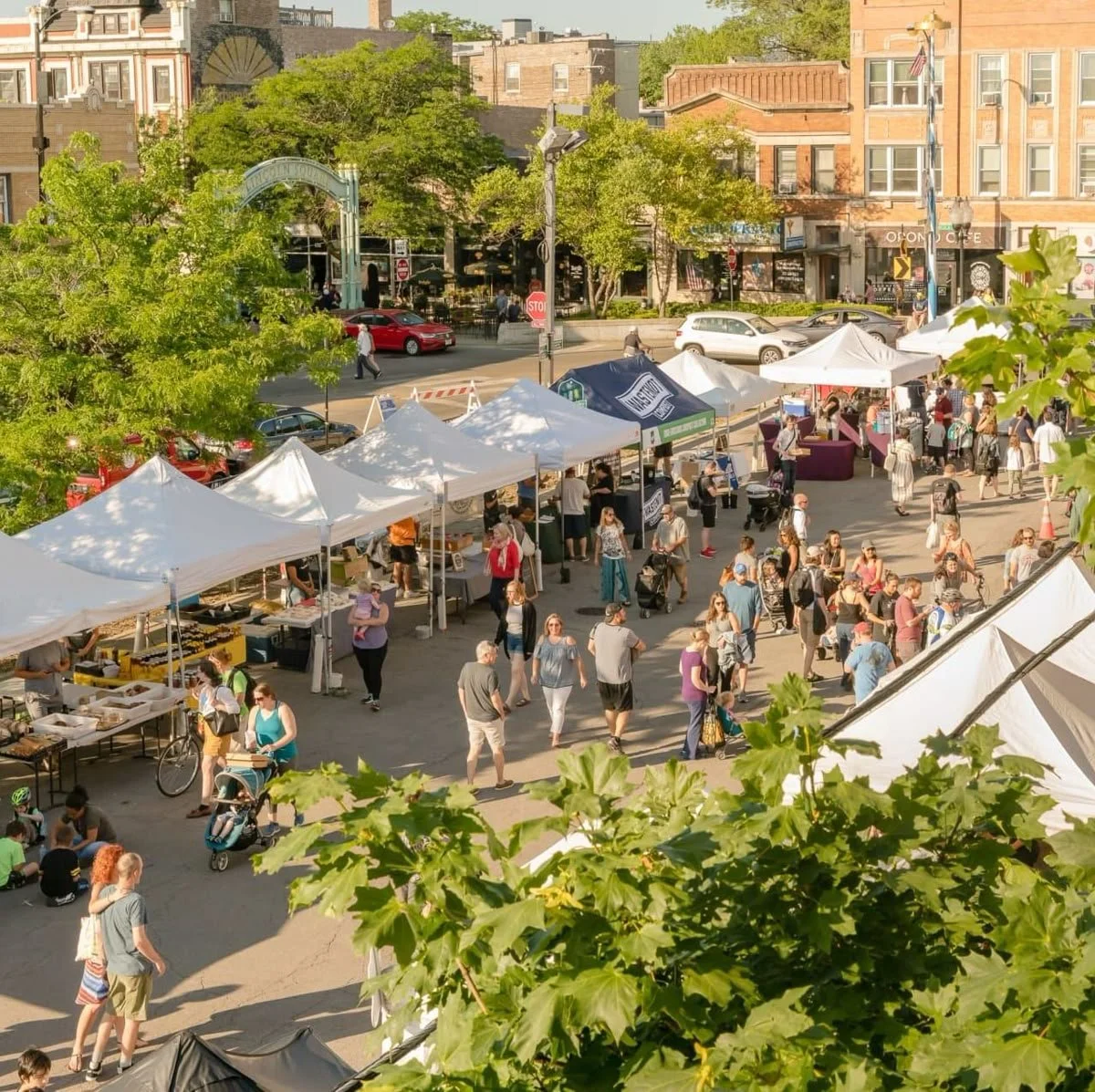
Image from Pinterest
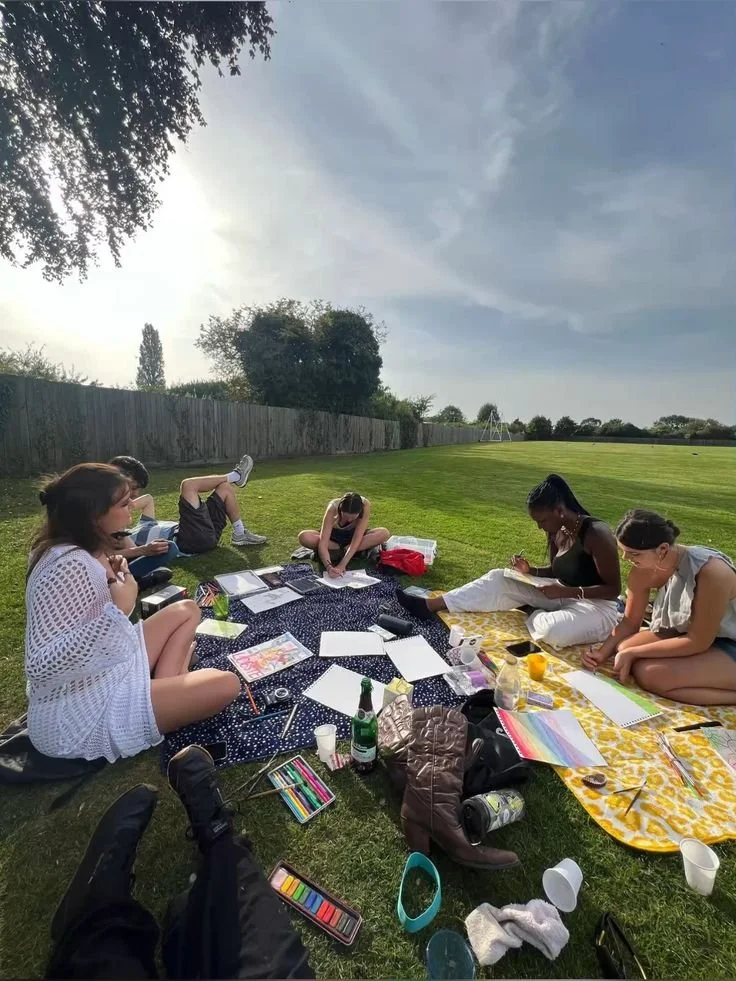
Image from Pinterest
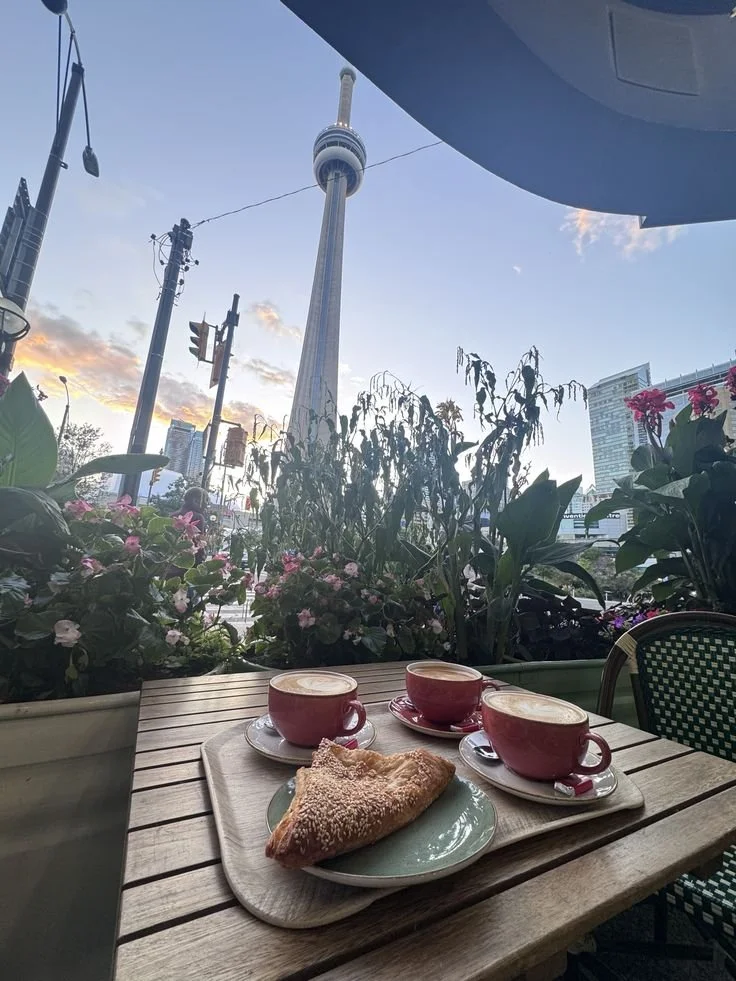
Image from Pinterest
Grab Coffee at Creative Cafés
Cafés with creative energy, cozy ambiance, and artistic furnishings are some of the greatest places to go on a date. There are countless coffee shops in Toronto that resemble miniature galleries with carefully chosen décor, regional artwork, antique furniture, and comfortable places ideal for conversation. Creative cafés offer the ideal balance of inspiration and relaxation, whether you're writing together in a peaceful setting or catching up over iced coffee.
Locations like Cafe 23, White Squirrel Coffee Shop, Botànic Coffee & Caphe, Library Specialty Coffee, and Cafe Gigi in Queen West district provide welcoming places to unwind, socialize, and take in the creative vibe of the city.
Attend Outdoor Art Markets & Live Painting Events
Toronto's creative community comes to life during live painting events and summer art fairs. Handmade pieces, pictures, photographs, and live demonstrations are frequently displayed by local artists at citywide outdoor festivals and community gatherings. Visitors can meet artists, explore unique pieces, and learn about their processes while taking in the seasonal energy at these engaging events.
The Toronto Flower Market, which takes place in the city's west end on June 13, July 11, August 15, September 12, and October 10, 2026, is a popular event to check out. It features local flower vendors, artists, and seasonal experiences.
Every Sunday from 11 a.m. to 4 p.m., visitors may also explore the Toronto Sunday Market, which is a vibrant community gathering place for local producers, vintage sellers, artists, and creatives. Black Market Vintage Upstairs is another place for vintage enthusiasts to explore Queen West's creative culture while perusing one-of-a-kind clothing items, collectibles, and retro finds.
Explore Gallery Districts Together
In the summer, gallery hopping is ideal in areas like Queen Street West and the Distillery District. Before stopping for dinner or drinks nearby, spend the day touring pop-up exhibitions, public art, artist-run venues, and modern galleries.
Together, art exploration fosters conversation, inspiration sharing, and the discovery of fresh viewpoints. By visiting galleries like ours and other creative venues like Gallery 1313, Show Gallery, Graffiti Alley, and United Contemporary, which all highlight Toronto's thriving and developing art scene, visitors can also support local artists.
End the Night at a Summer Arts Event
Toronto's summer nights come to life with outdoor movie screenings, rooftop creative events, and seasonal festivals. There are countless ways to transform a typical date night into an unforgettable creative event, from music and visual art festivals to projection installations and outdoor performances. Couples can engage with the city's artistic scene in addition to each other through these activities. Events at Evergreen Brick Works, where guests can take advantage of seasonal markets, outdoor programming, and creative community events in a distinctive natural setting, and Toronto Outdoor Picture Show, which holds free outdoor movie screenings in parks throughout the city throughout the summer, are popular experiences. Free Flicks, a series of outdoor screenings that combine cinema, community, and summer nights beneath the city skyline, is another option for movie lovers.
Storytelling Through Art: Humber Photography Diploma Grad Show 2026 Recap
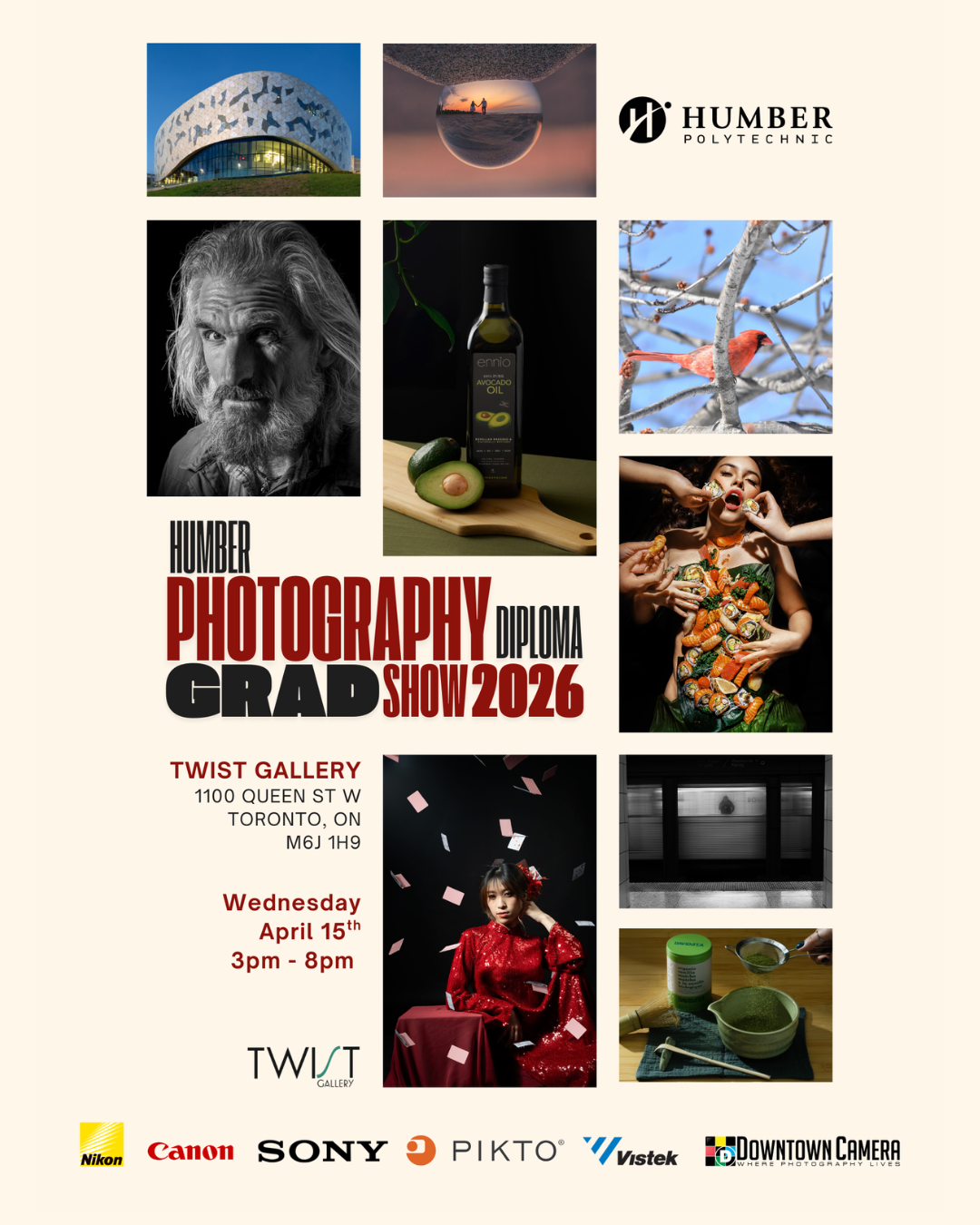
Twist Gallery presents Humber College Diploma Grad Show
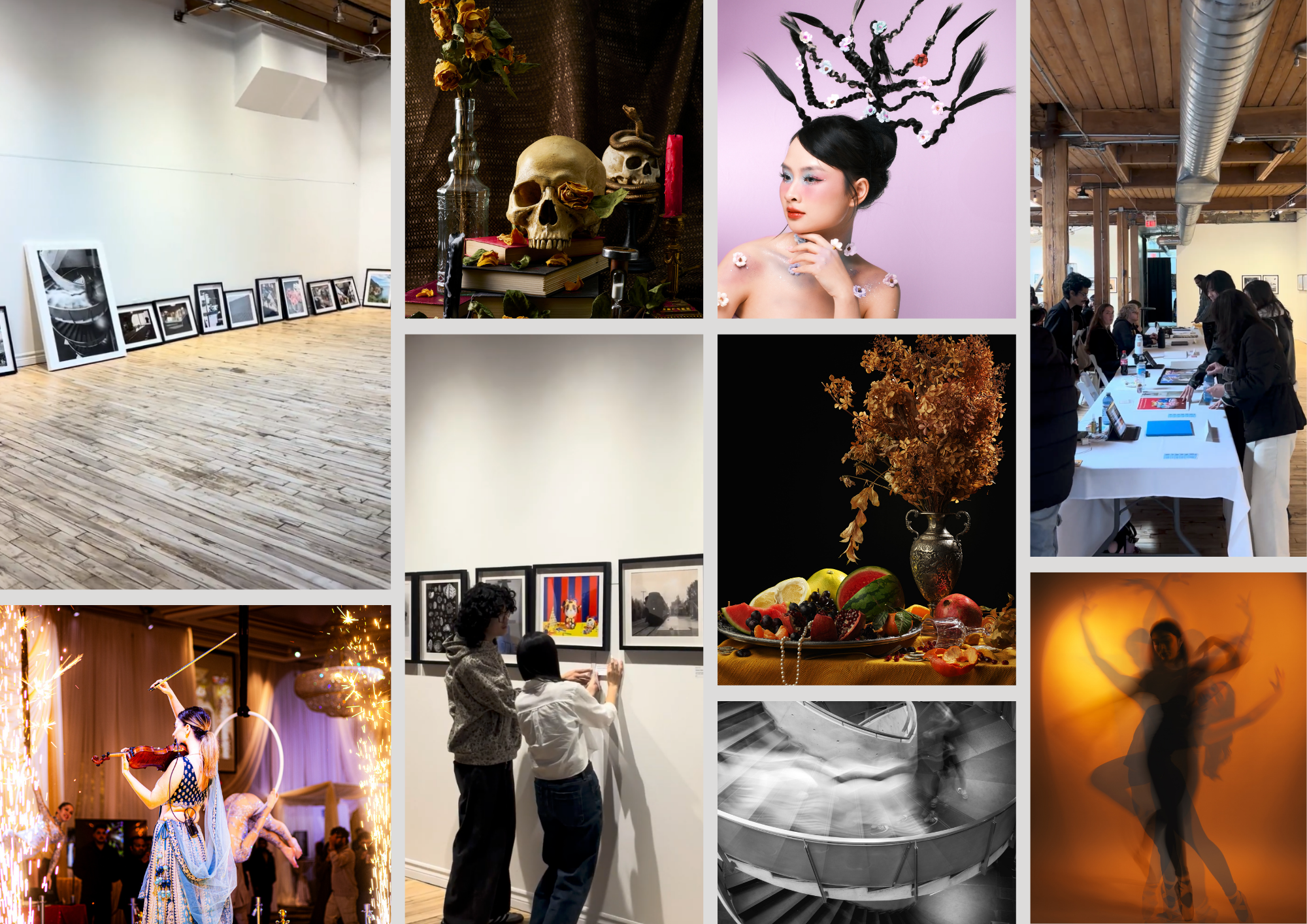
There’s something different about walking into a space filled with art that hasn’t just been created but felt. From the moment guests entered, the atmosphere carried a quiet energy. Conversations flowed softly between pieces, footsteps slowed, and each wall seemed to hold its own story waiting to be noticed.
Twist Gallery collaborated with Humber Polytechnic, for their 2026 Grad Diploma Show. This exhibition brought together a community of emerging creatives, offering a space where expression, identity, and perspective could exist freely. The event wasn’t just about showcasing artwork, it was about creating a moment of connection between the artist, the work, and the viewer.
The exhibition featured a range of visual styles, from abstract compositions to landscapes and photography. Each piece reflected a different interpretation of memory, place, and emotion. Some works felt bold and immediate, while others invited you to pause a little longer, to look closer, and maybe even see something new the second time around.
A highlight of the evening was the photography, captured by students currently studying at Humber. Their pieces explored themes of movement, culture, and lived experience, offering glimpses into stories that exist both within and beyond the frame. Being able to experience these works in person added a layer of depth that goes beyond what can be seen on a screen.
Behind the scenes, the event came together through collaboration, creativity, and a shared vision. From setting up each piece to shaping the overall flow of the space, every detail contributed to the experience. What may have appeared effortless to guests was the result of careful planning and passion from everyone involved.
More than anything, the night was about community. Artists, students, and attendees came together not just to observe, but to engage to ask questions, share interpretations, and connect through art. It was a reminder that creativity doesn’t exist in isolation; it grows through shared spaces and conversations.
As the evening came to a close, the impact of the exhibition lingered. The work on the walls may eventually come down, but the ideas, emotions, and connections sparked during the event continue forward.
This exhibition marks just one moment in an ongoing journey of supporting and celebrating creative voices. With more opportunities to come, this is only the beginning!

A Perfect Early Spring Day Around Twist Gallery in Queen West
Twist Gallery is located on Queen West, one of Toronto’s most charming and vibrant neighbourhoods.
When spring arrives, Queen West becomes the perfect place to spend a relaxing and inspiring day, filled with creative energy and cultural spaces. Whether you love art, food, or simply exploring the city, there is always something exciting waiting for you here.
Twist Gallery is located on Queen West, one of Toronto’s most charming and vibrant neighbourhoods.
When spring arrives, Queen West becomes the perfect place to spend a relaxing and inspiring day, filled with creative energy and cultural spaces. Whether you love art, food, or simply exploring the city, there is always something exciting waiting for you here.
Start Your Day with Coffee and Pastries ☕️
Begin your journey with a visit to Castle & Coal, a beloved local café just steps away from Twist Gallery. Here, you can enjoy carefully crafted coffee and a selection of exquisite pastries.
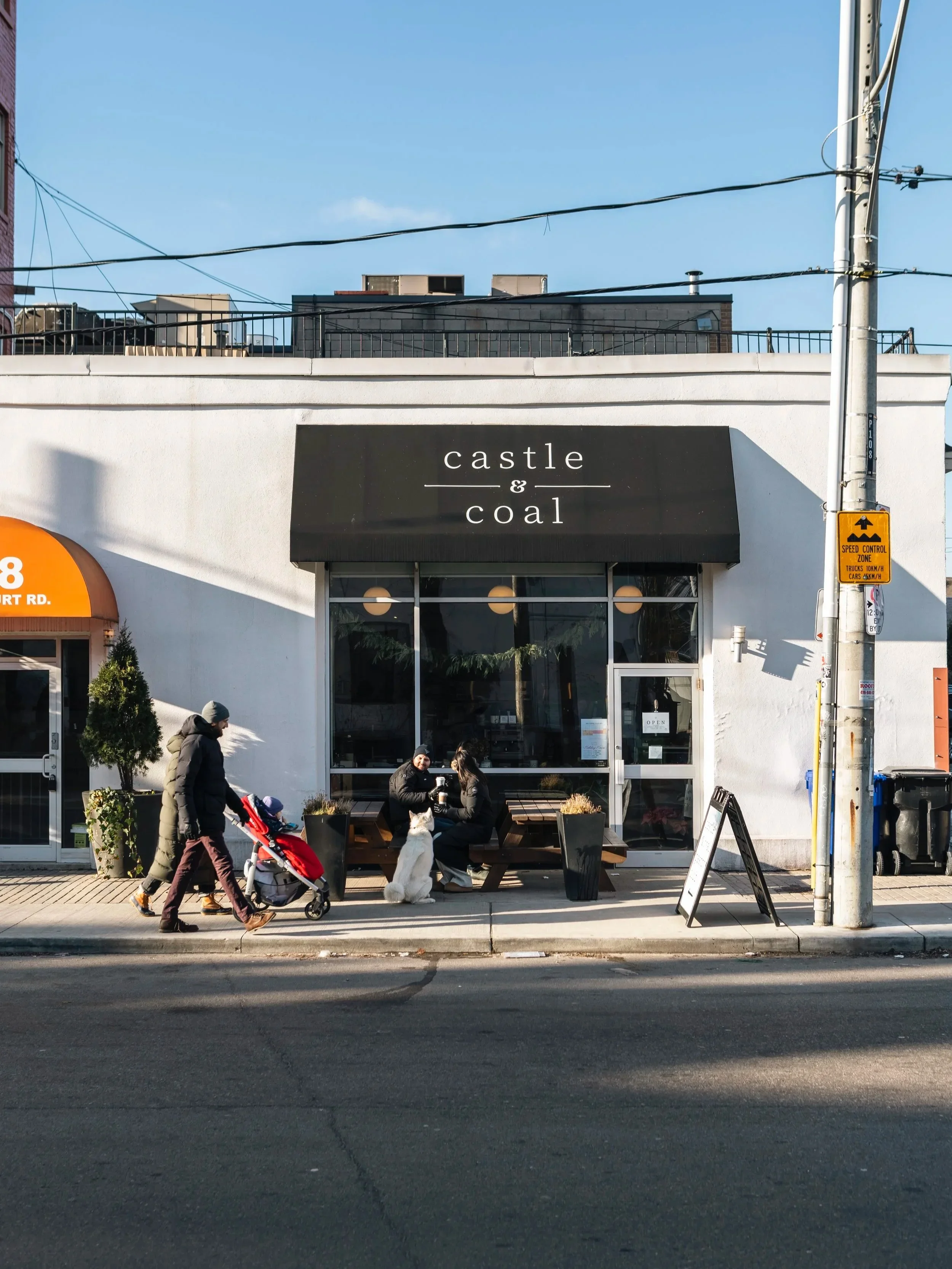
Castle & Coal. Source: Google

Castle & Coal. Source: Google
Their Carrot Cake, Kouign-Amann, and Cannelé are especially popular and highly recommended. If you prefer something different, the café offers a variety of options to suit every taste. It’s the perfect place to slow down, recharge, and get ready for a day of art and discovery.
Explore Art at Twist Gallery 🎨
After your coffee break, step into Twist Gallery and immerse yourself in the current exhibition, Shutter Space. This exhibition features a curated selection of landscape and cityscape photography, each frame capturing a unique encounter between place, light, and perspective.
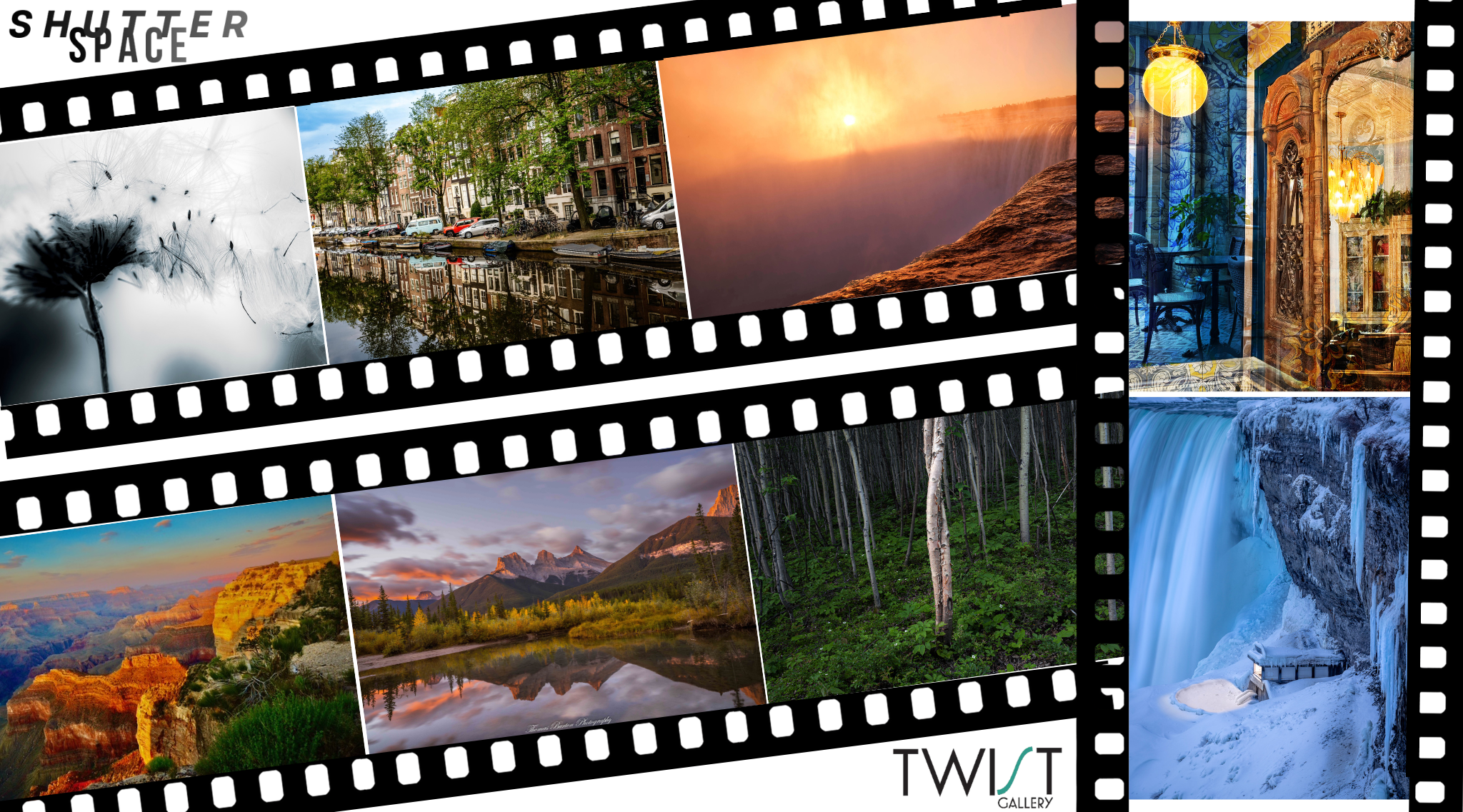
From sweeping natural landscapes to the intricate geometry of urban life, the works in Shutter Space explore how environments shape us—and how we, in turn, shape the spaces around us. The exhibition invites viewers to pause, observe, and reflect on the relationship between people and their surroundings.
Shutter Space will be on view until March 27th. Don’t miss the opportunity to experience this visual dialogue between nature and the city.
Turn Inspiration into Creation 🛠️
Feeling inspired after visiting the gallery? Take your creativity further by joining The Devil’s Workshop, a dynamic creative studio offering a wide range of hands-on workshops.

The Devil’s Workshop. Source: Google
The workshops welcome everyone, from beginners to experienced creators interested in art and craftsmanship. Participants can explore wedding branding, silversmithing, lost wax casting, metal printmaking, self-directed projects, and one-time workshops.
🕒 Opening hours:
Friday, Saturday & Sunday: 12 PM – 6 PM
Monday to Thursday: By appointment or chance visit
To find upcoming workshop dates and details, check their official website: https://thedevilsworkshop.ca/.
Enjoy Dinner in Queen West 🍝🍕
As the day winds down, Queen West offers an excellent selection of restaurants for dinner. Be sure to check their opening hours in advance.
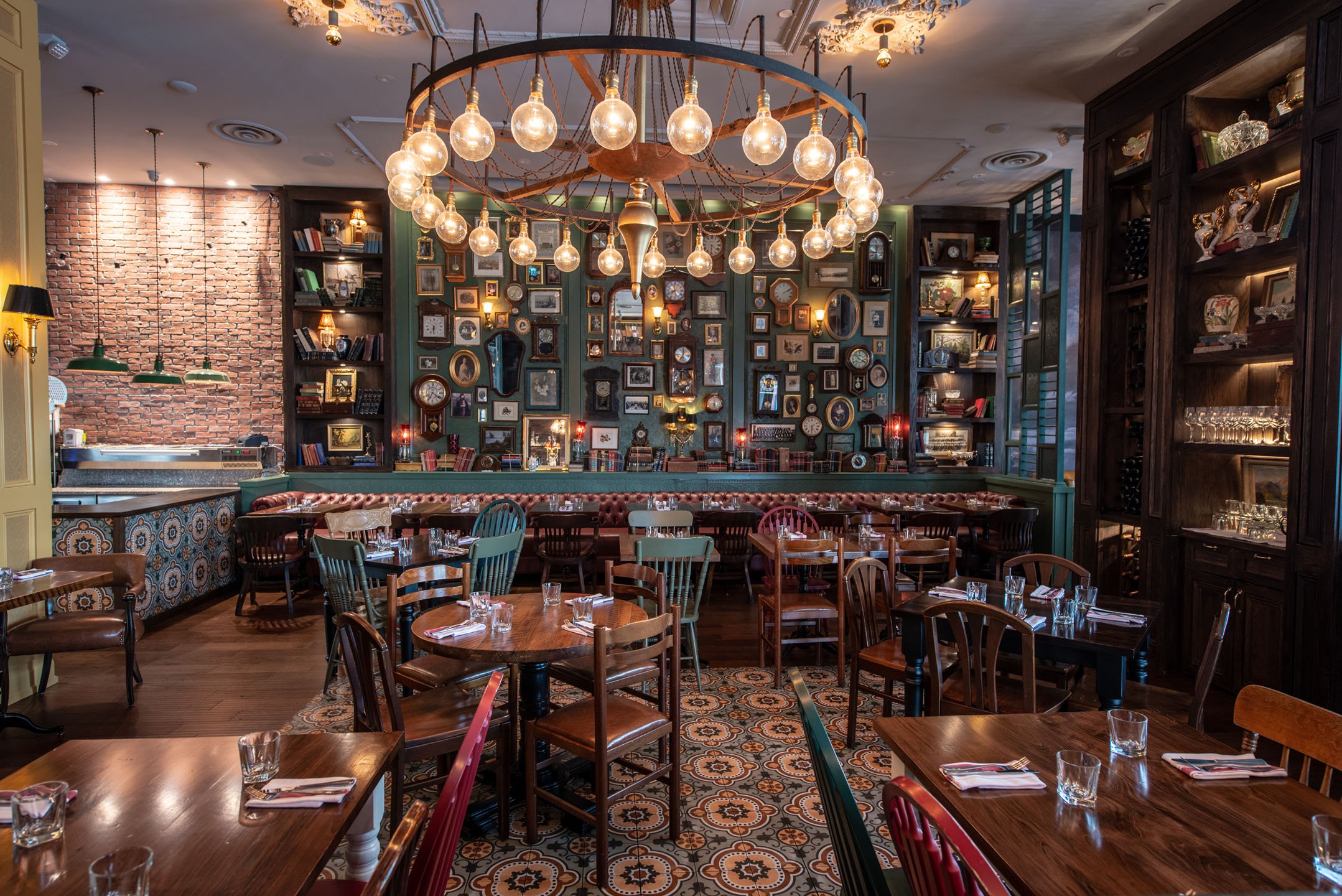
The Good Son. Source: Google
Known for its cozy atmosphere, wood oven pizzas, and signature burgers, it’s a great choice for a relaxed and satisfying meal. It’s also a popular spot for casual gatherings and easy-going dinners.
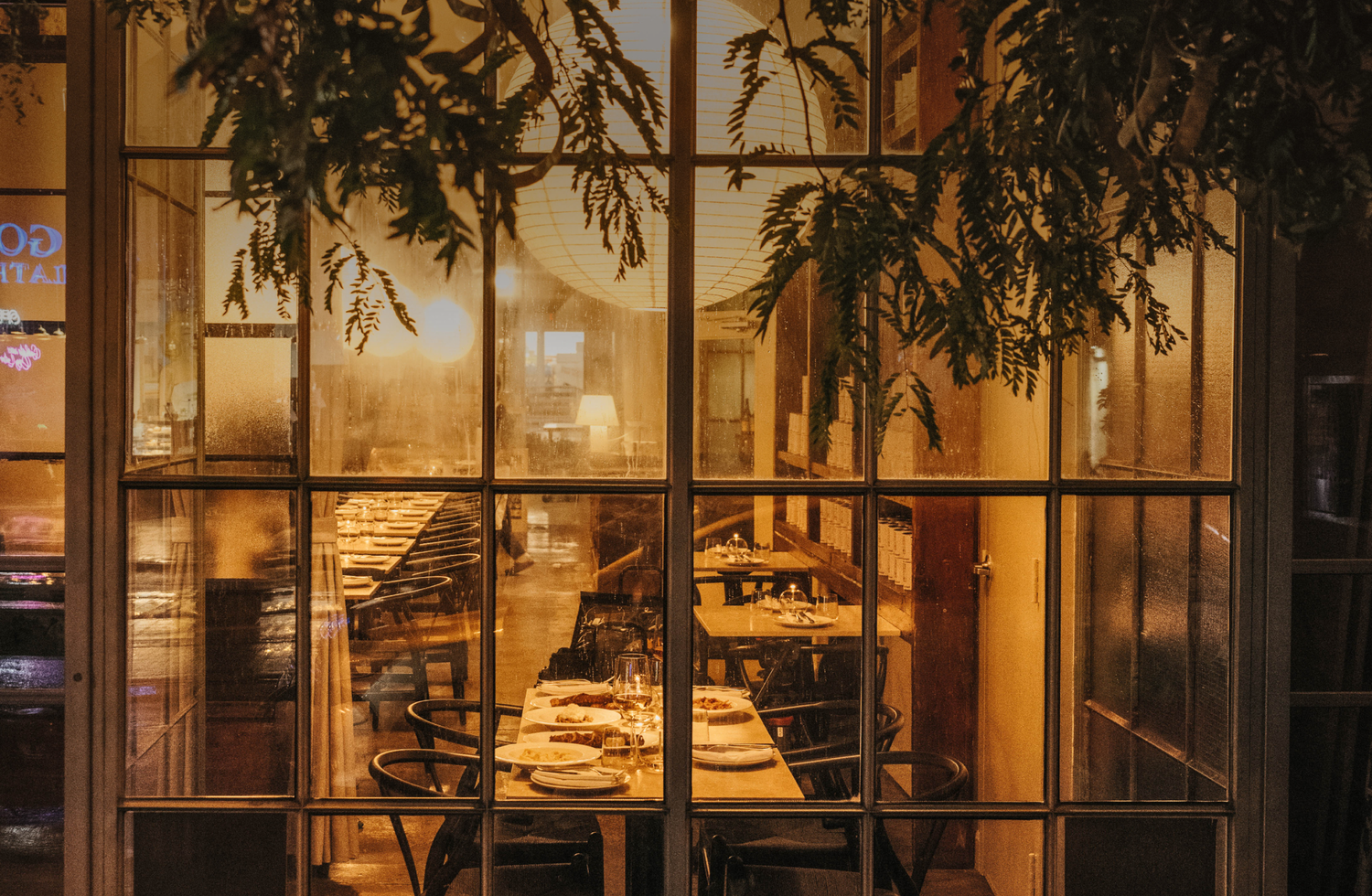
Liliana. Source: Google
A modern Italian restaurant that reinterprets classic Italian cuisine through innovation rather than imitation. Its menu highlights seasonal ingredients and carefully crafted dishes.
End the Day with Culture at The Theatre Centre 🎭
Conclude your day at The Theatre Centre, a cultural landmark with a rich architectural and artistic history for over 40 years.
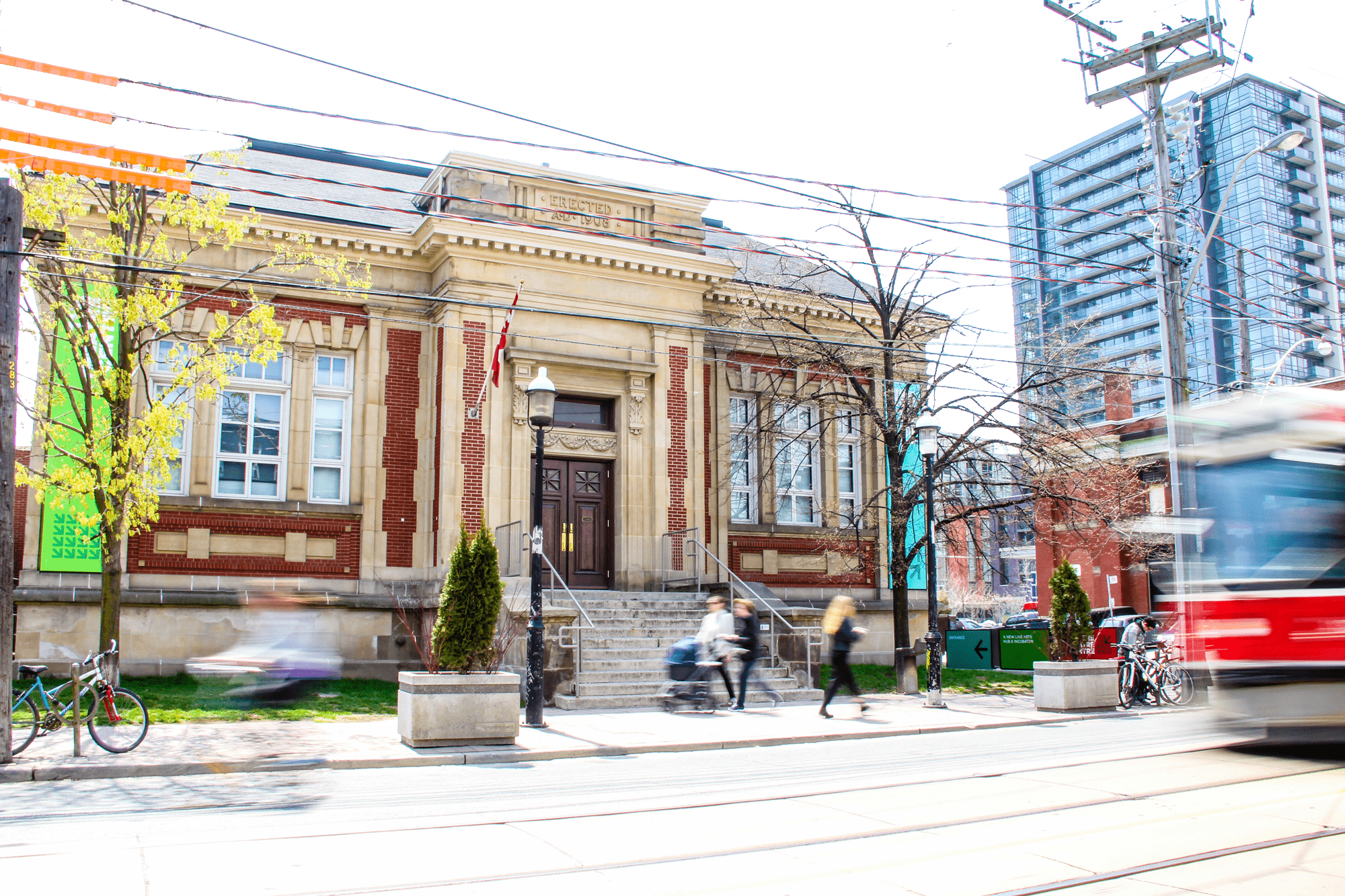
The Theatre Centre. Source: Google
More than just a theatre, it serves as an incubator for creative projects and hosts a wide range of performances, events, and community activities throughout the year. It supports emerging artists and experimental works, providing a platform for innovative voices in Toronto’s cultural scene. Whether you are a theatre lover or simply curious about contemporary art, The Theatre Centre offers inspiring experiences that connect creativity with the community.
For upcoming shows and tickets, visit their website, and book in advance to secure your spot.
A Beautiful Celebration of Love: Wedding Open House At Twist Gallery
Our Wedding Open House on Saturday, February 21, was a truly special afternoon filled with inspiration, creativity, and meaningful connections. We were thrilled to welcome couples, families, and friends to our space to experience this curated event.
Our Wedding Open House on Saturday, February 21, was a truly special afternoon filled with inspiration, creativity, and meaningful connections. We were thrilled to welcome couples, families, and friends to our space to experience this curated event.
Bringing Wedding Visions to Life
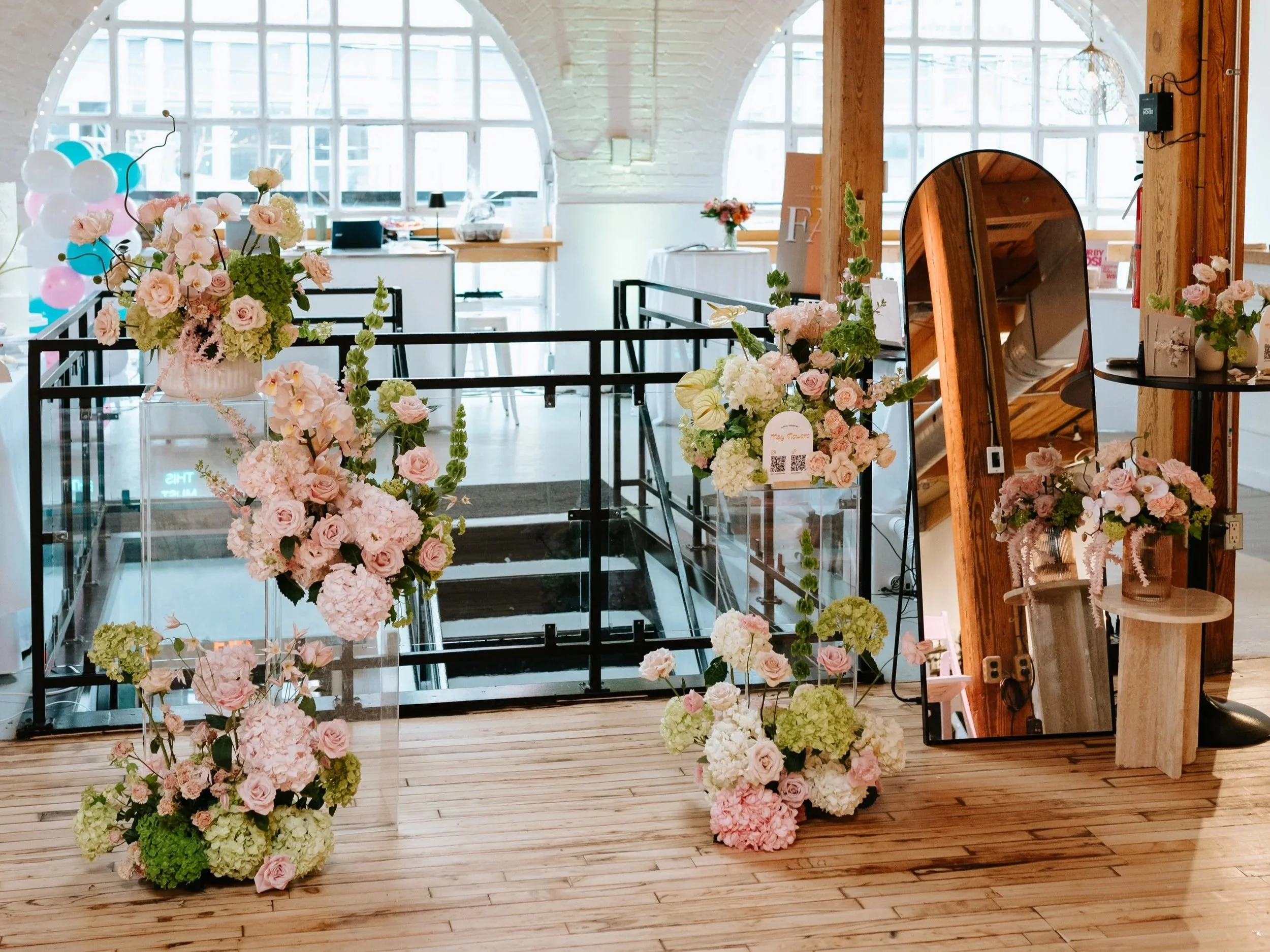
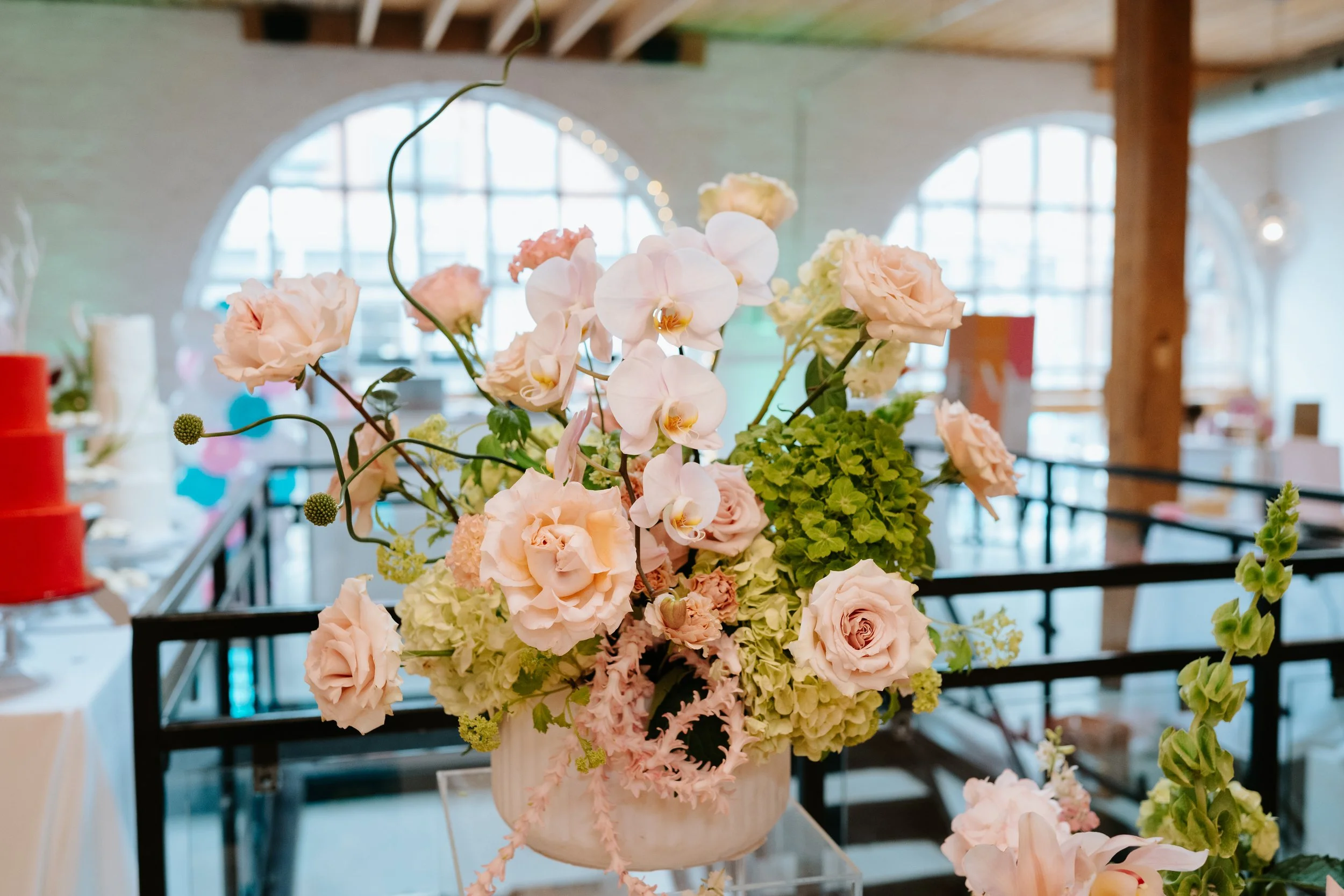
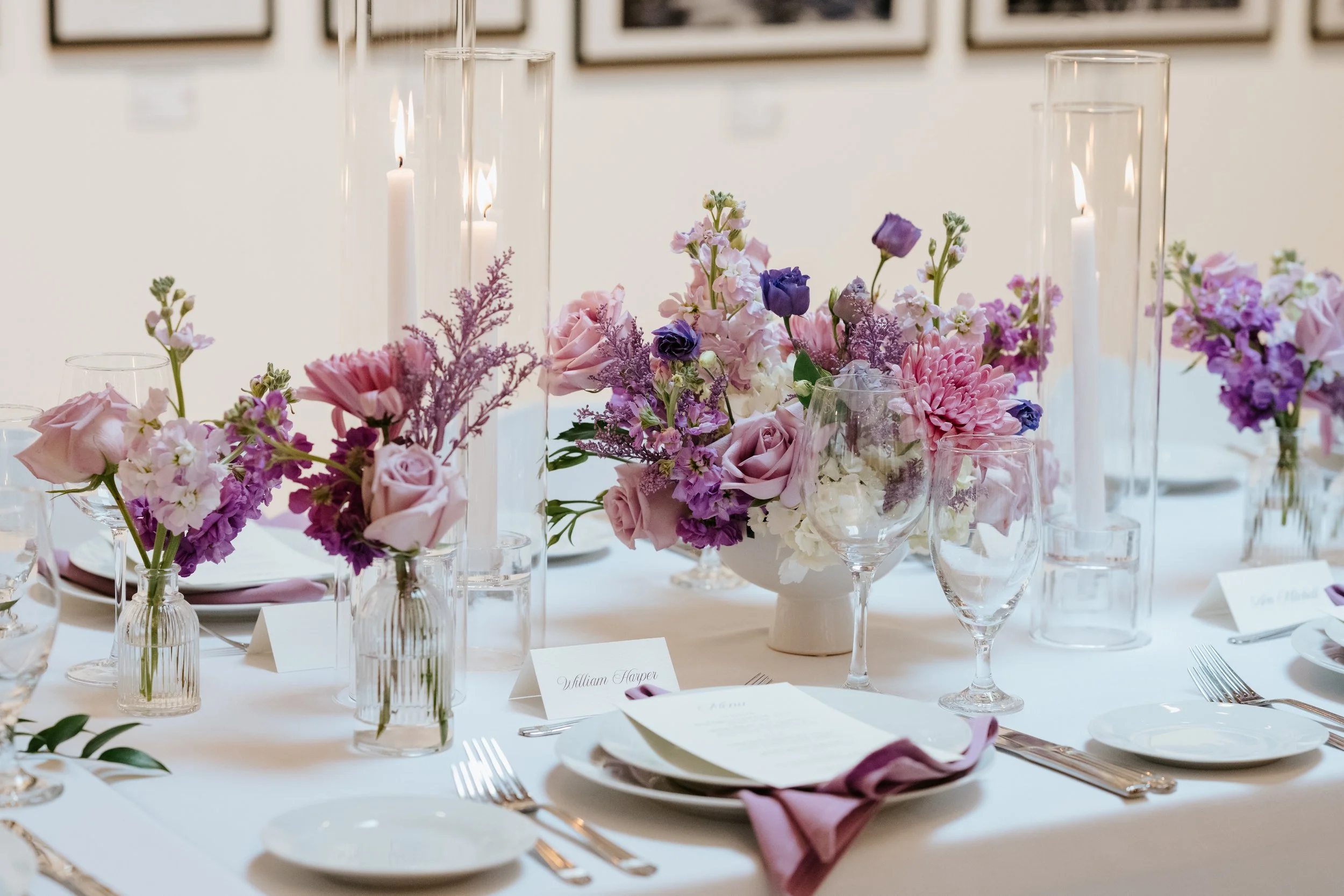
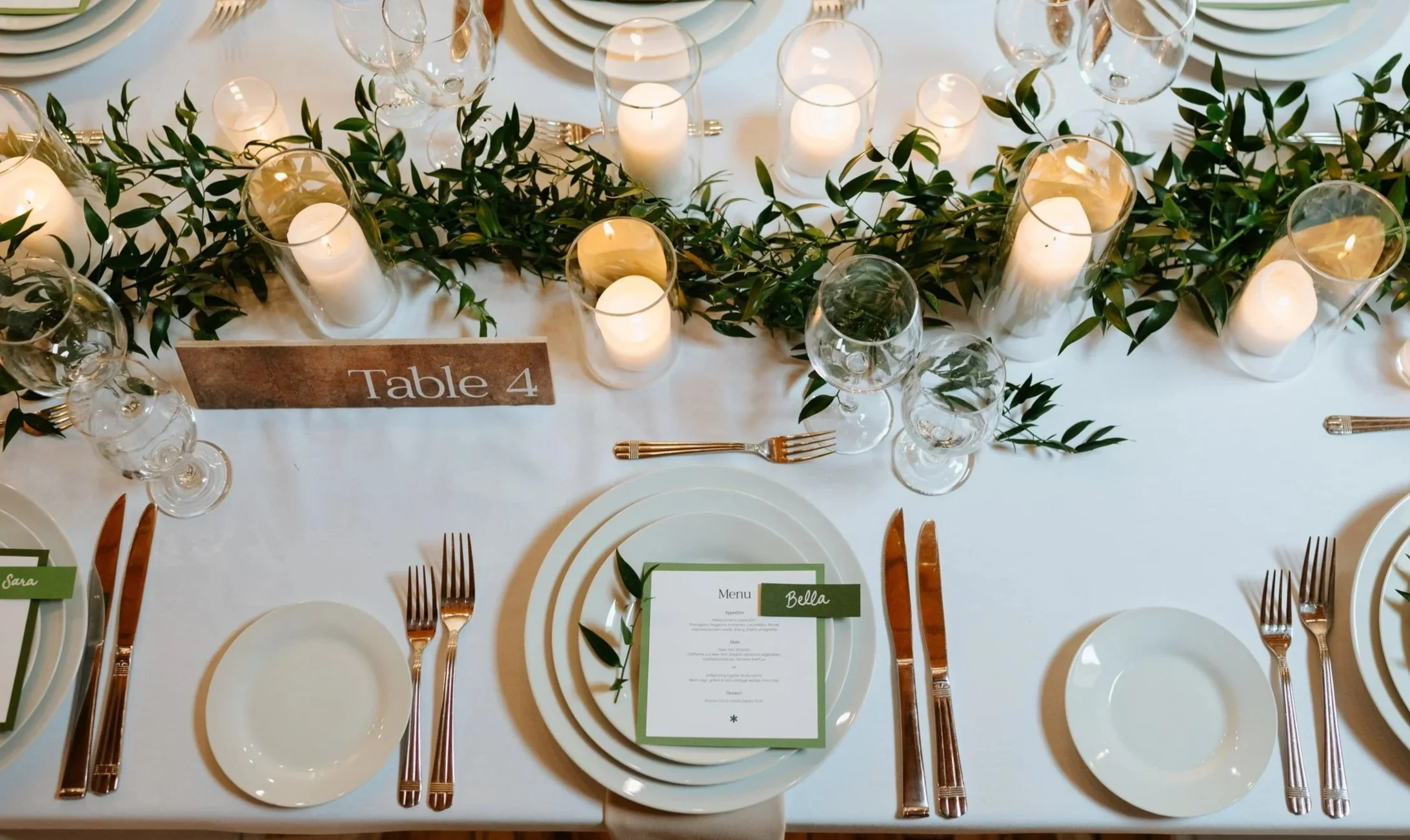
The atmosphere was beautifully transformed with all stunning table floral designs follow by Poppin Petals led by Kim, alongside the extraordinary stationery by For Your Delight. As well as elegant floral installation for the ceremony space and bar from May Flowers. They added texture to our tables and space, helping couples imagine their own special day.
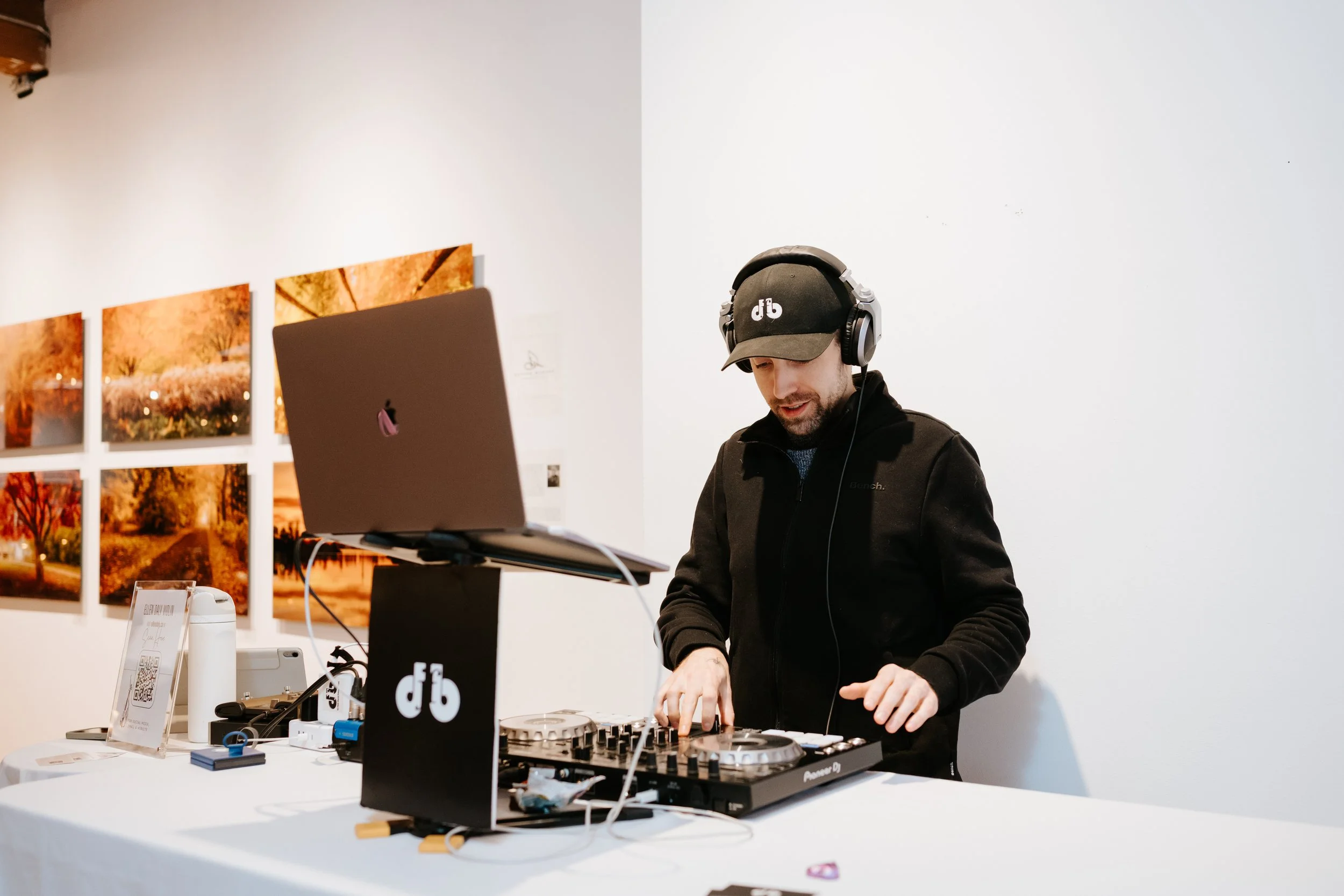
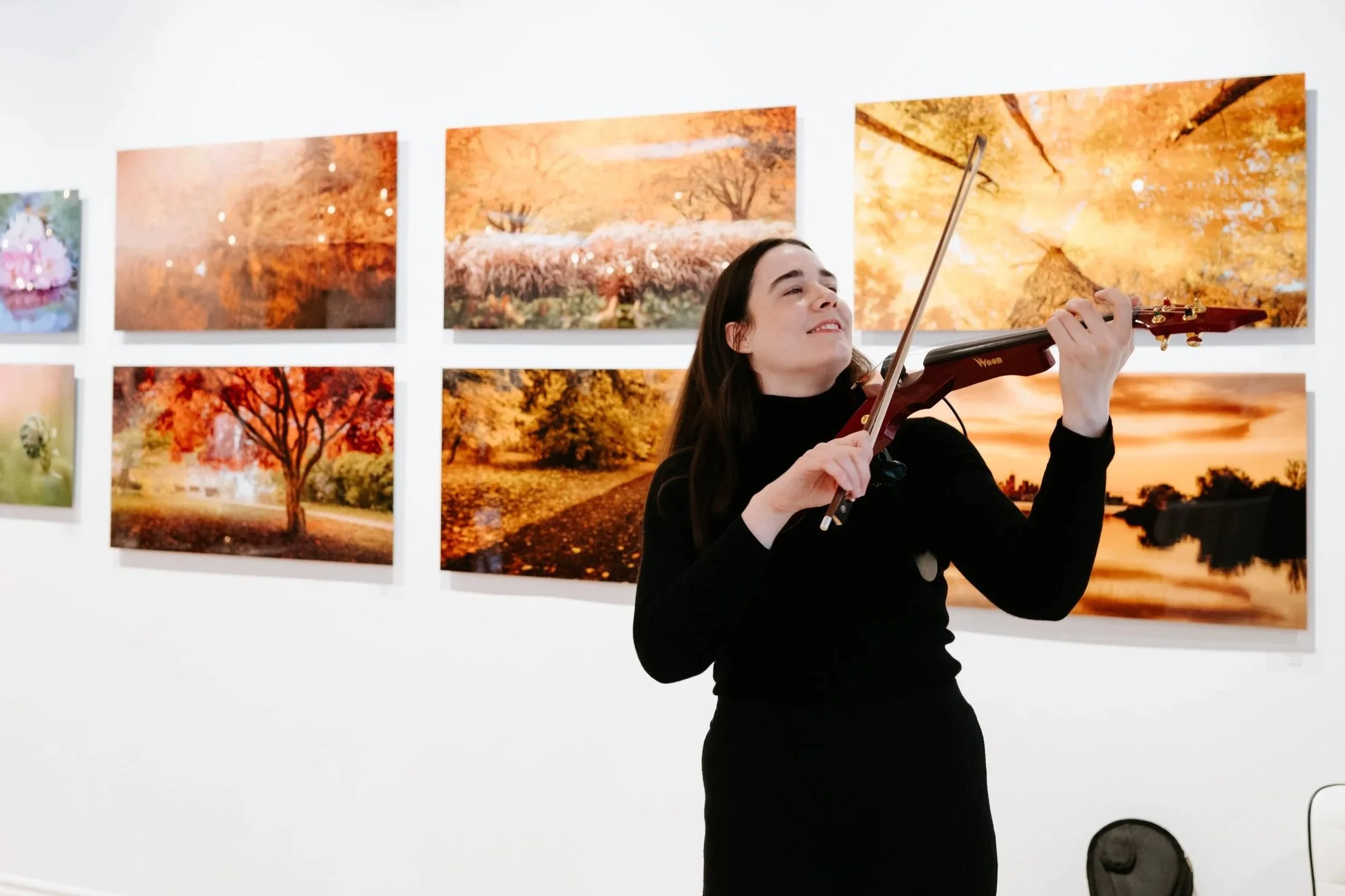
Music set the tone for the afternoon, with vibrant energy from DJ Flohback Productions and the timeless elegance of a live violin played by Ellen Daly. Together, they created an ambiance that felt both celebratory and intimate.
A Feast for the Senses

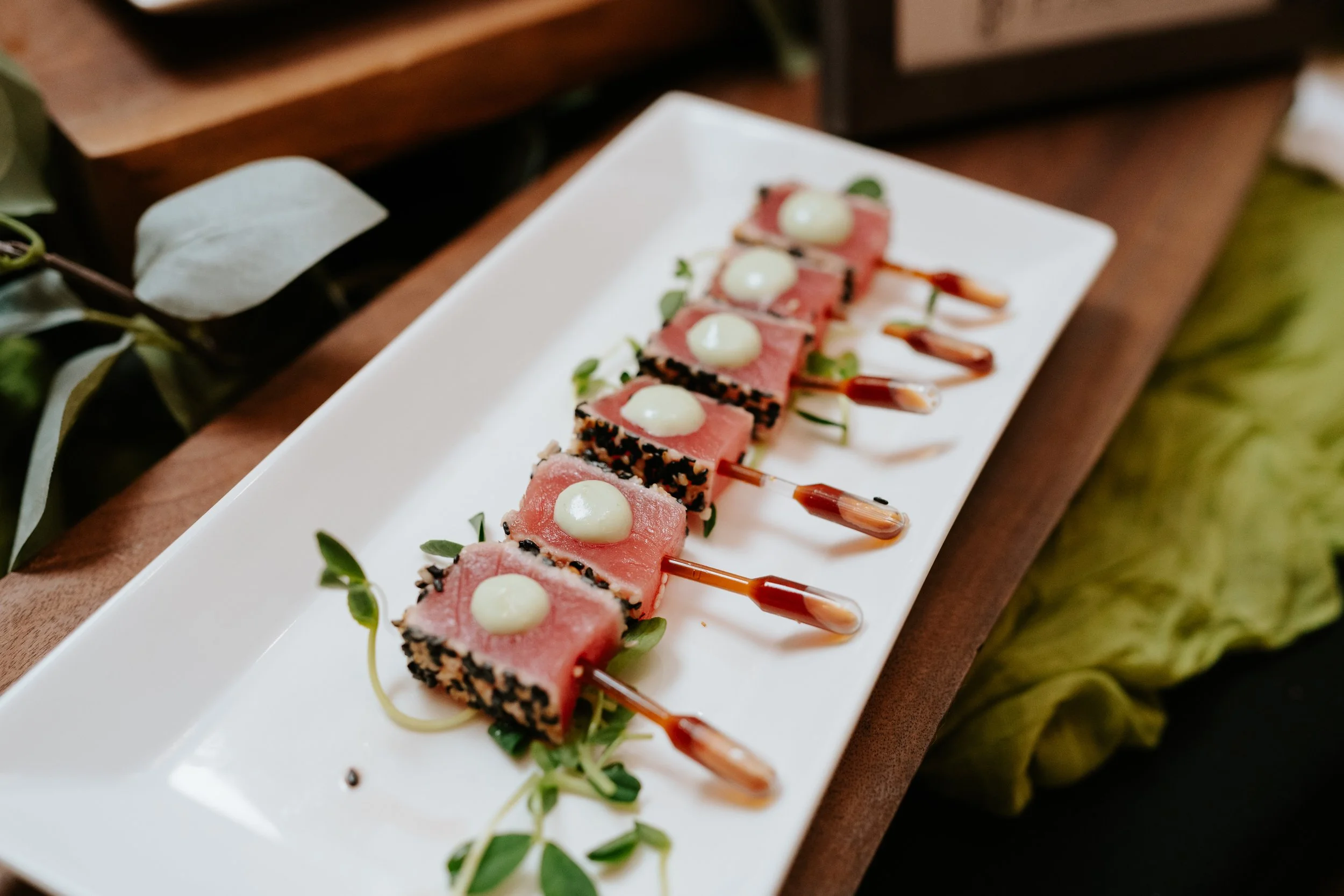

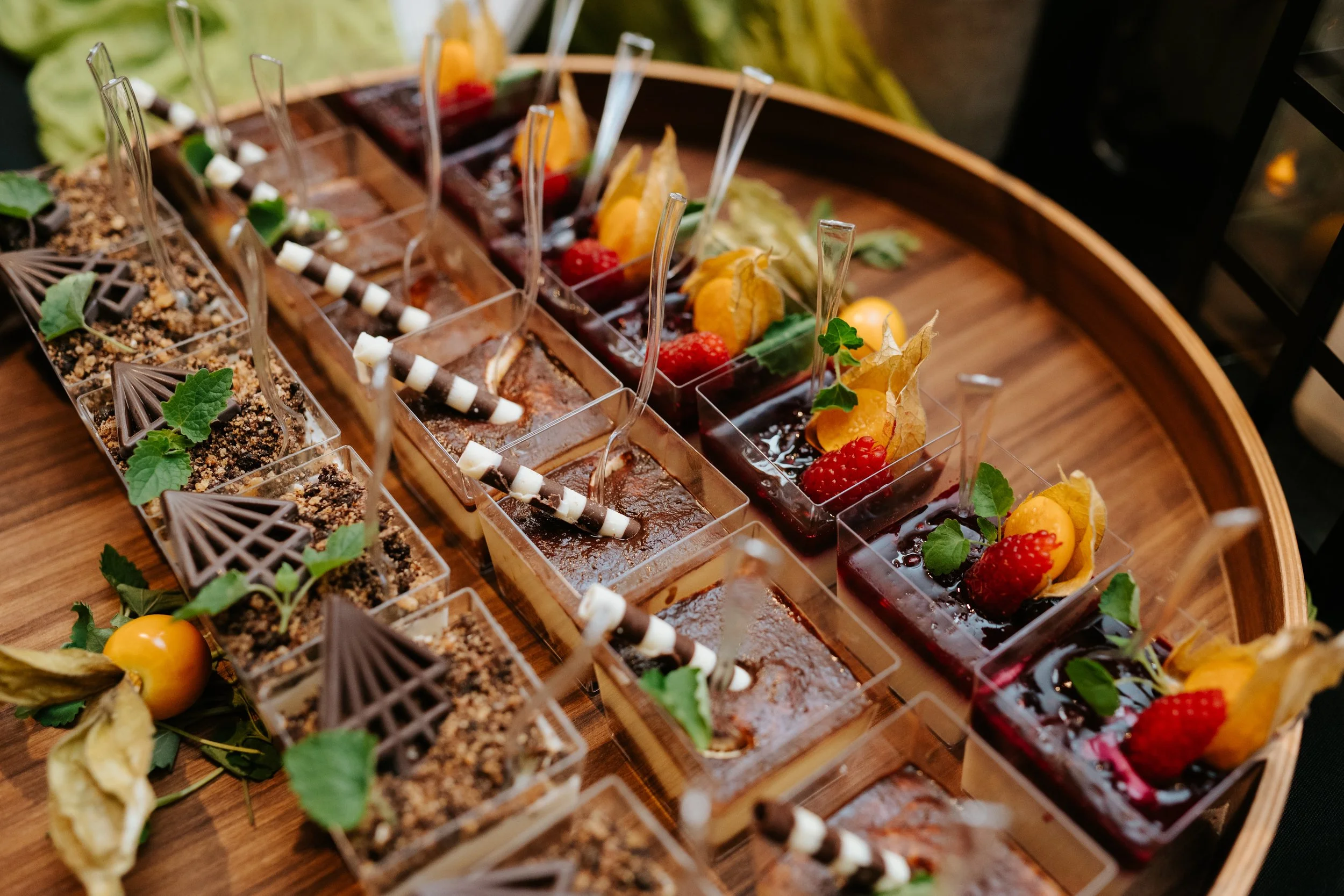
Guests enjoyed culinary offerings from JP Fine Foods, showcasing a meticulously prepared menu that ranged from inventive appetizers to a diverse main course, finished with a delicate dessert. Every dish was expertly cooked and delighted guests of all tastes.
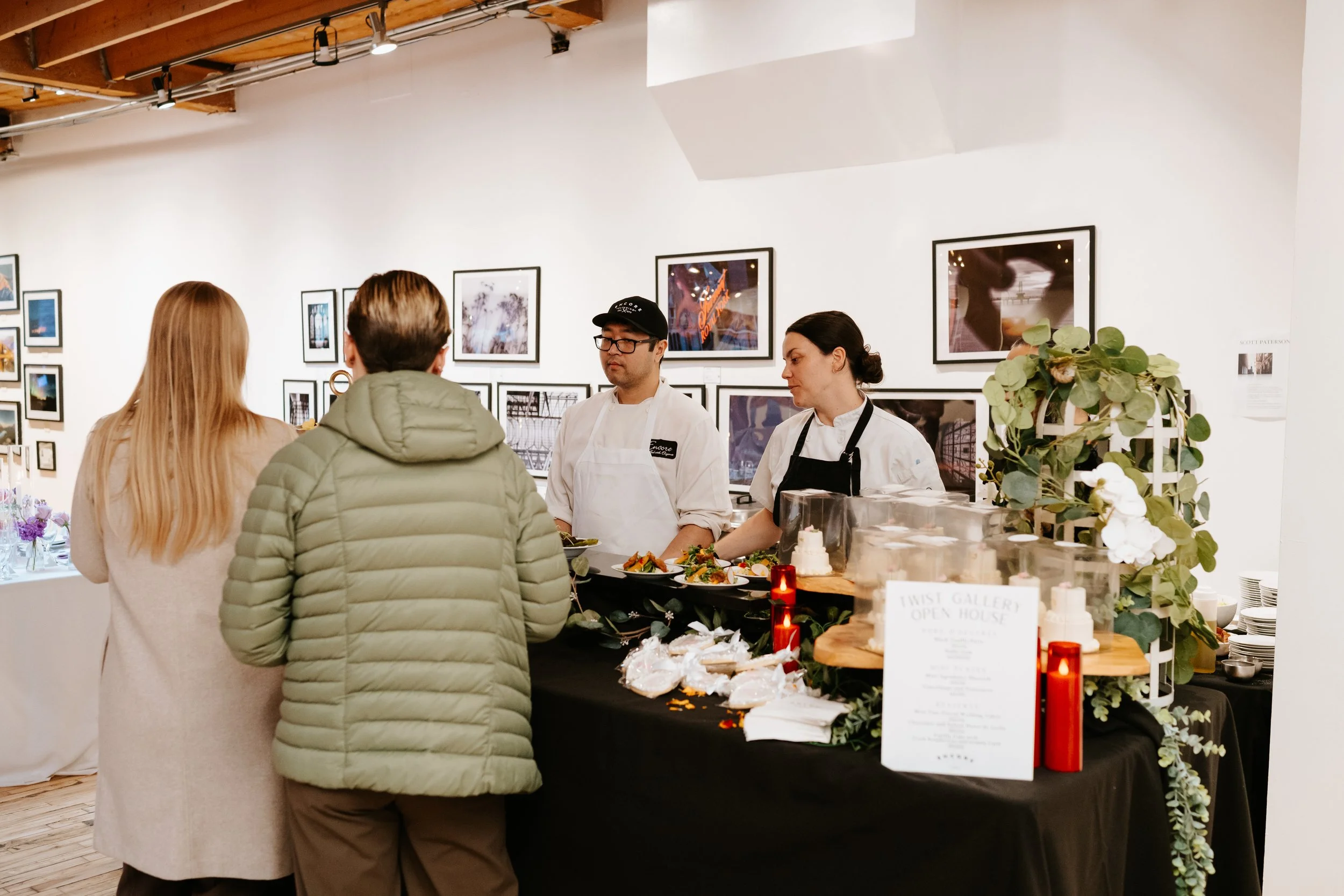


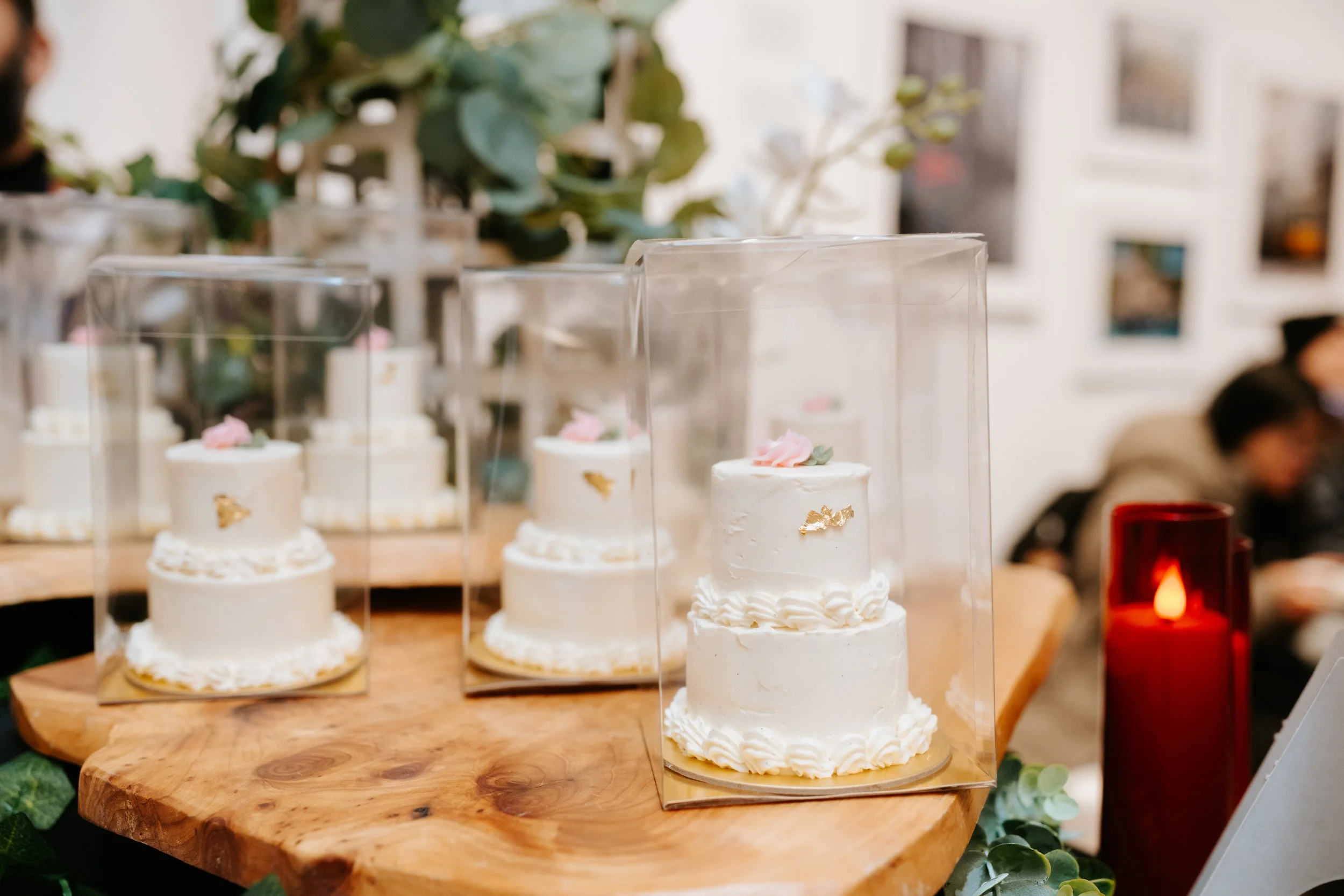
As well as Encore Catering, featuring a collection of dishes paired with beautifully crafted cookies and wedding cakes. Each plate was a visual masterpiece, allowing the quality of the ingredients to speak for itself.
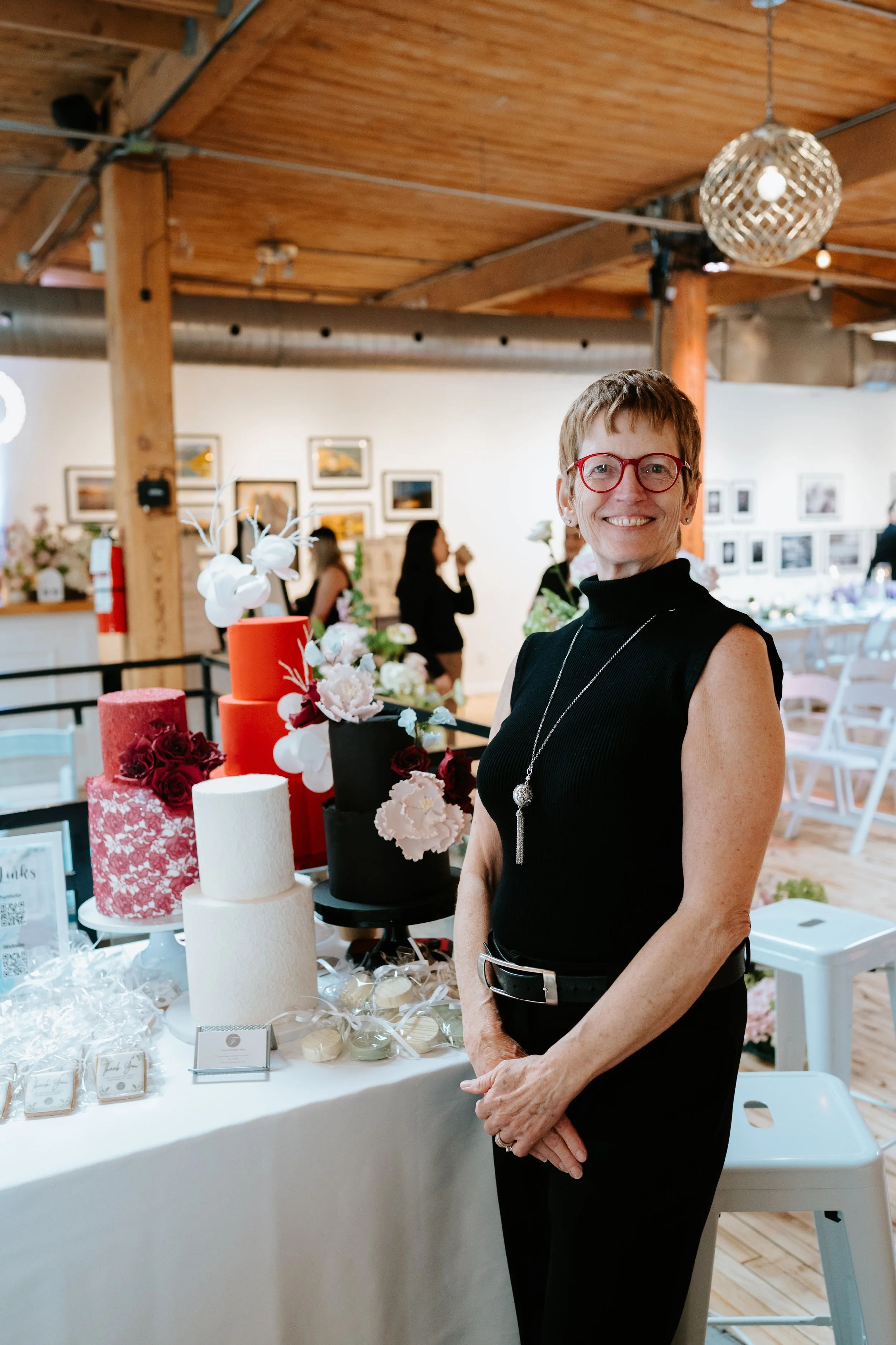
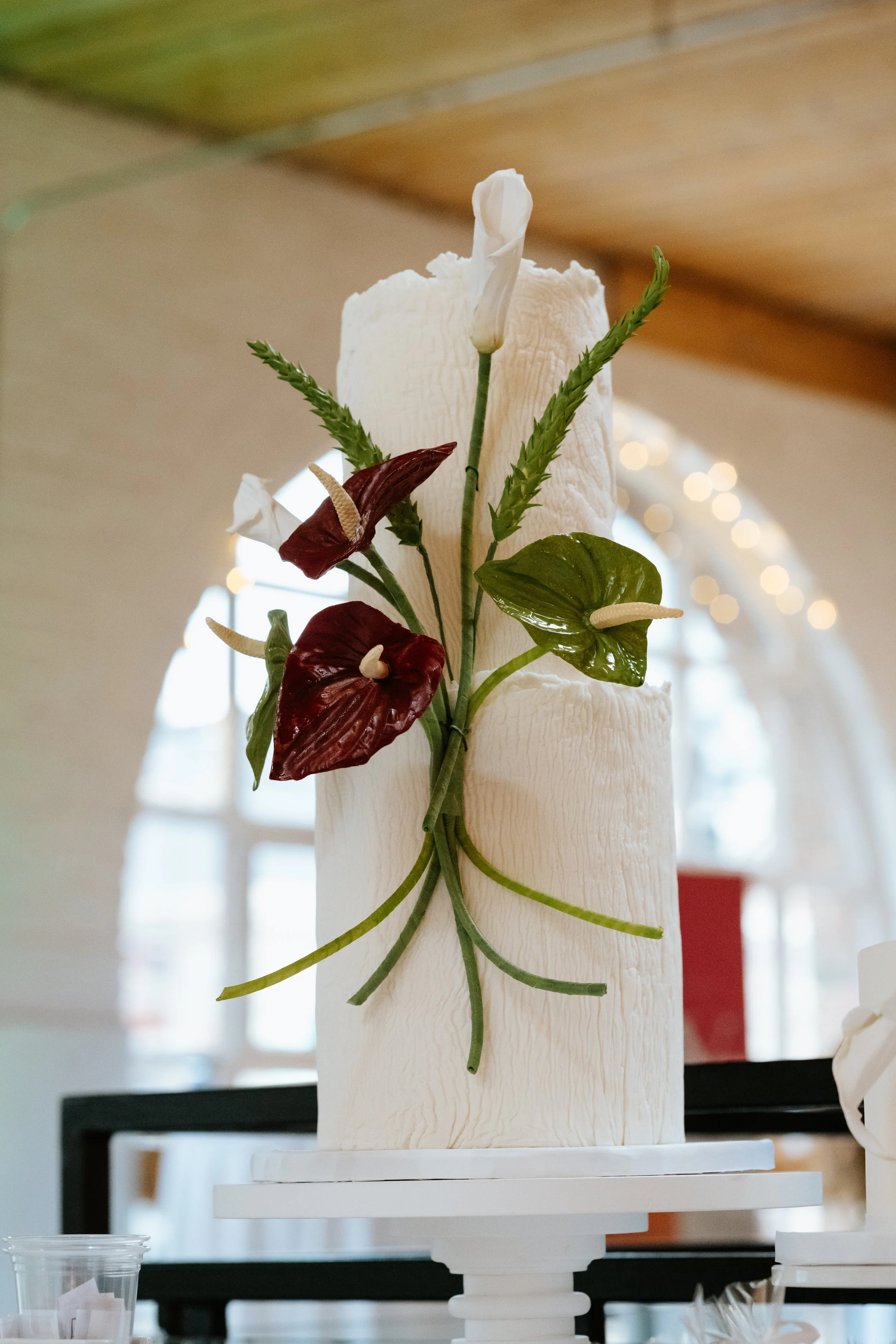


The sweet highlight of the day came from Fiona McKnight Cakes, who provided us with a variety of options for wedding cakes, featuring designs ranging from subtle textures to floral accents in a beautiful palette of colours.
The presentation was as impressive as the flavors, leaving a lasting impression on everyone who stopped by.
Personal Touches & Unique Details
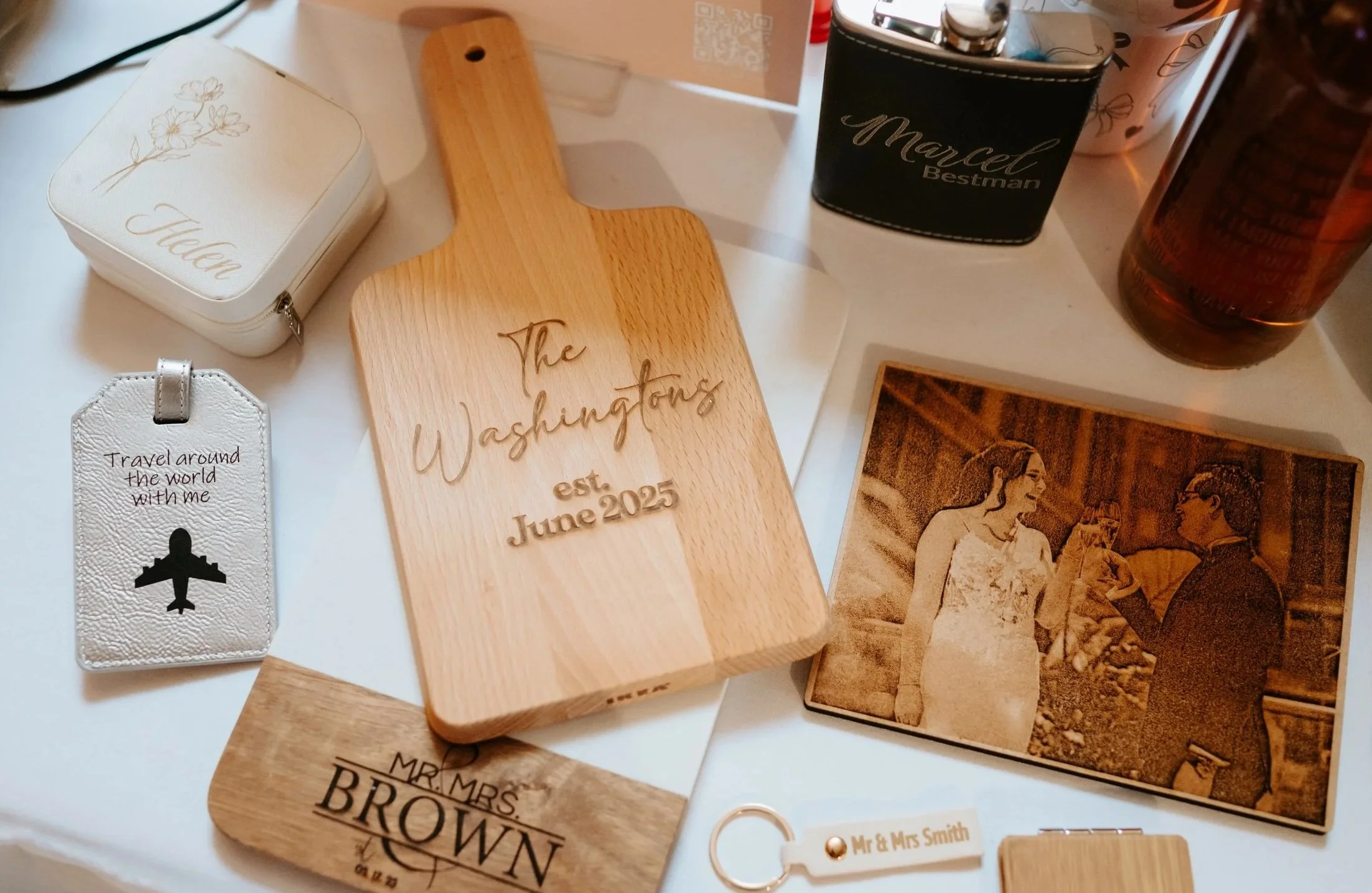

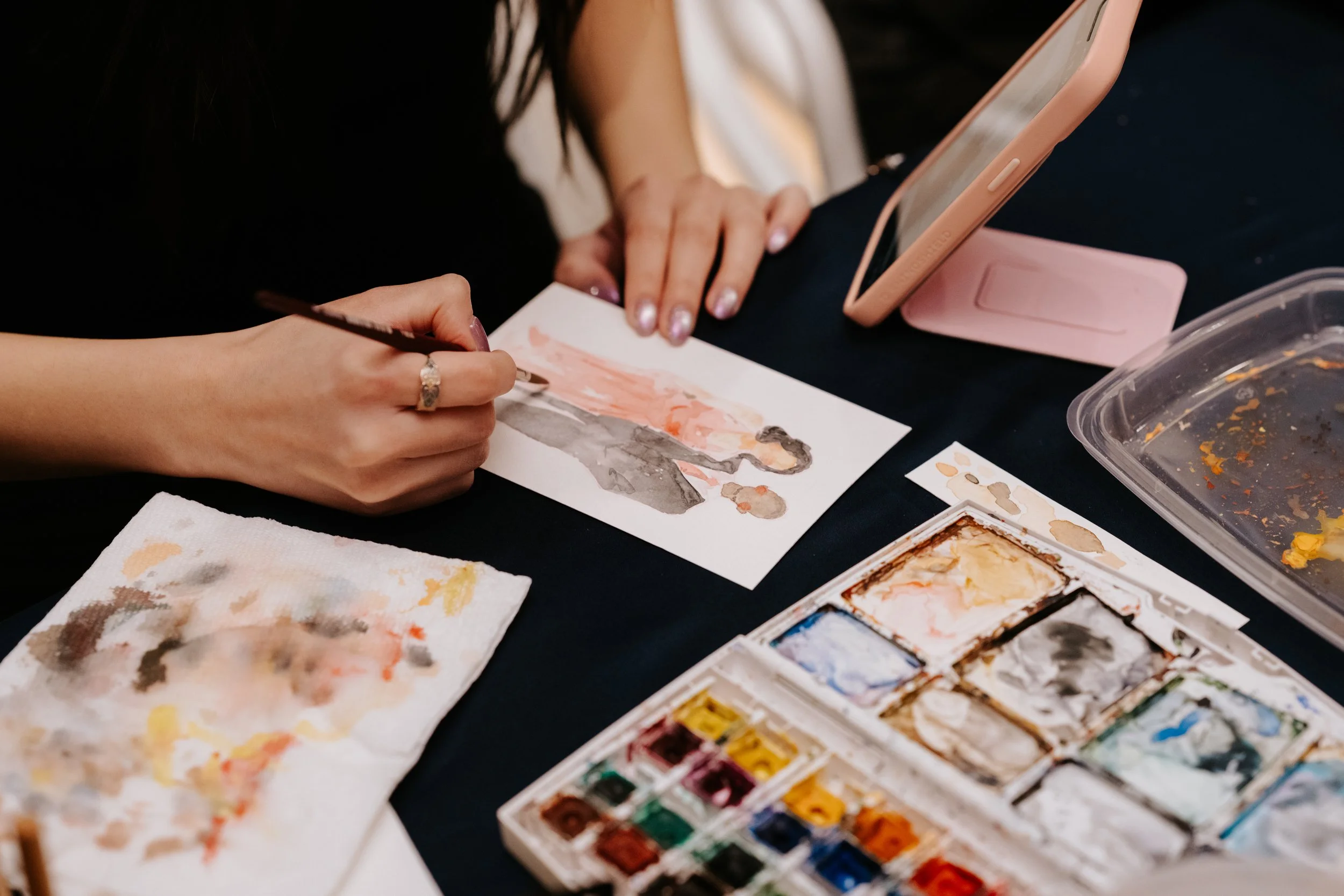
From custom engraving and personalization by Exquisite Things, guests experienced the creative details that make weddings unforgettable.
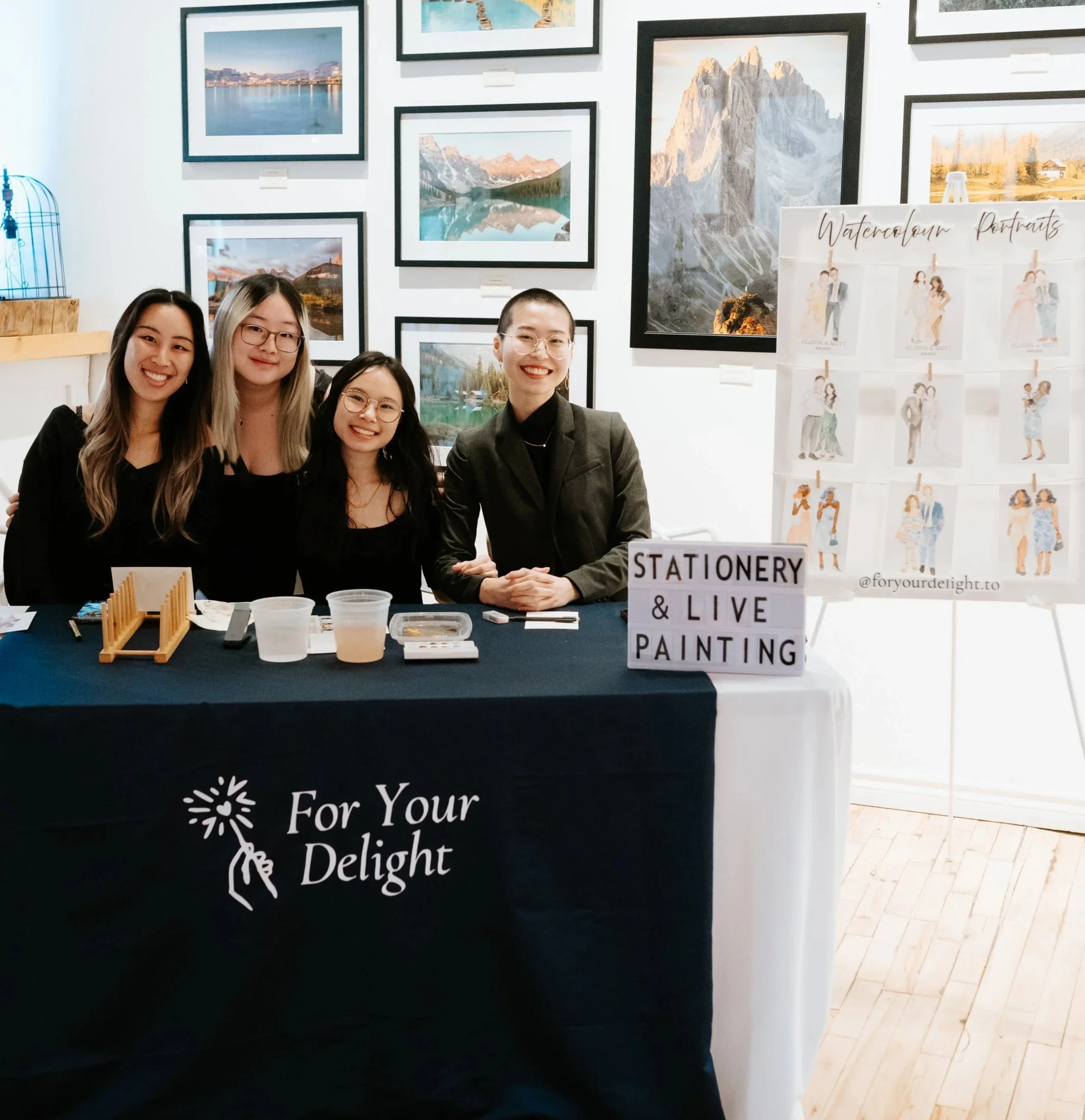
Live artistry added an extra layer of charm, with watercolour illustrations, beautiful stationery, menu card and artwork from For Your Delight.
Completing the look, styling expertise from HairbyYosh showcased how the right finishing touches bring a bridal vision together.
Capturing Every Moment
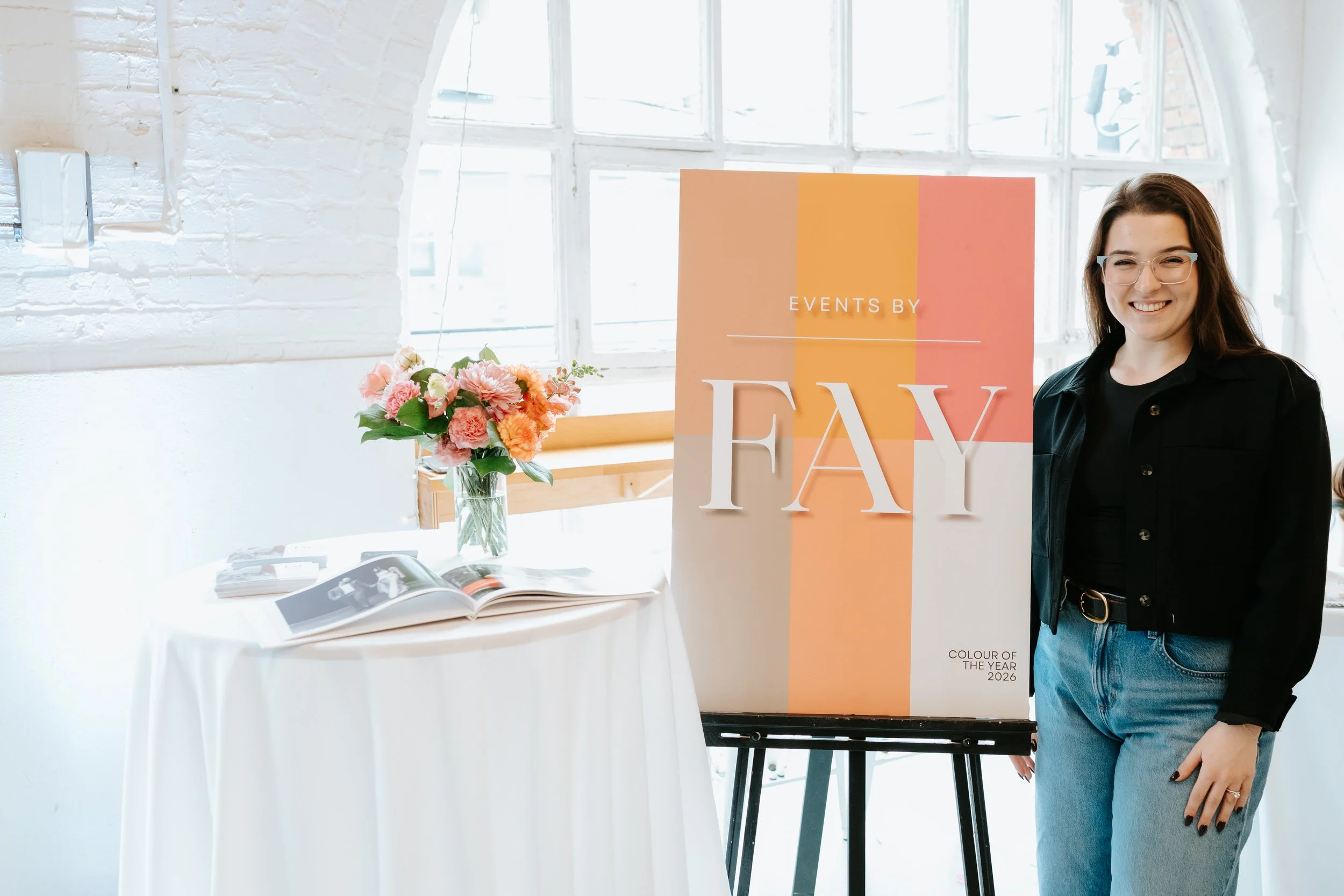
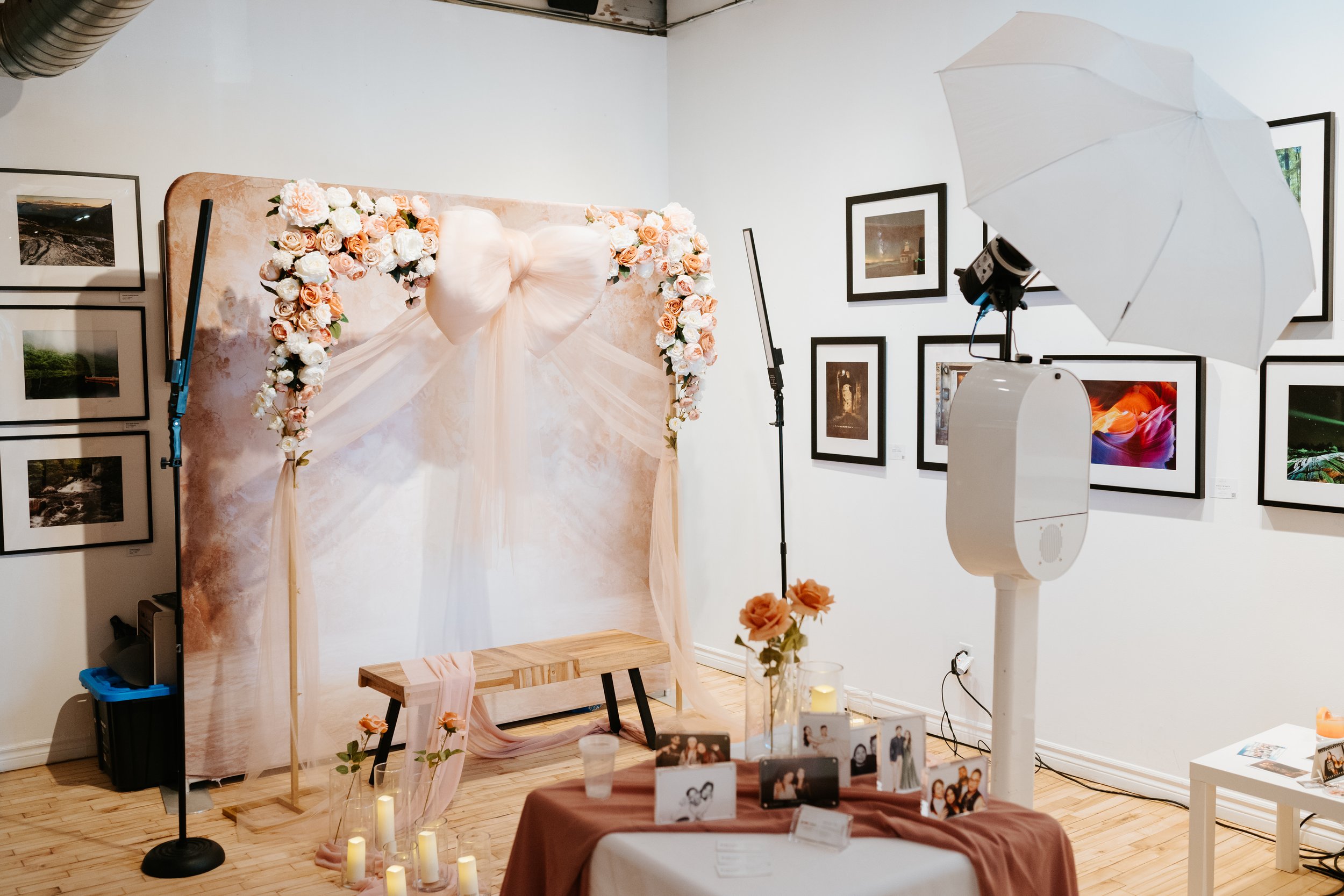

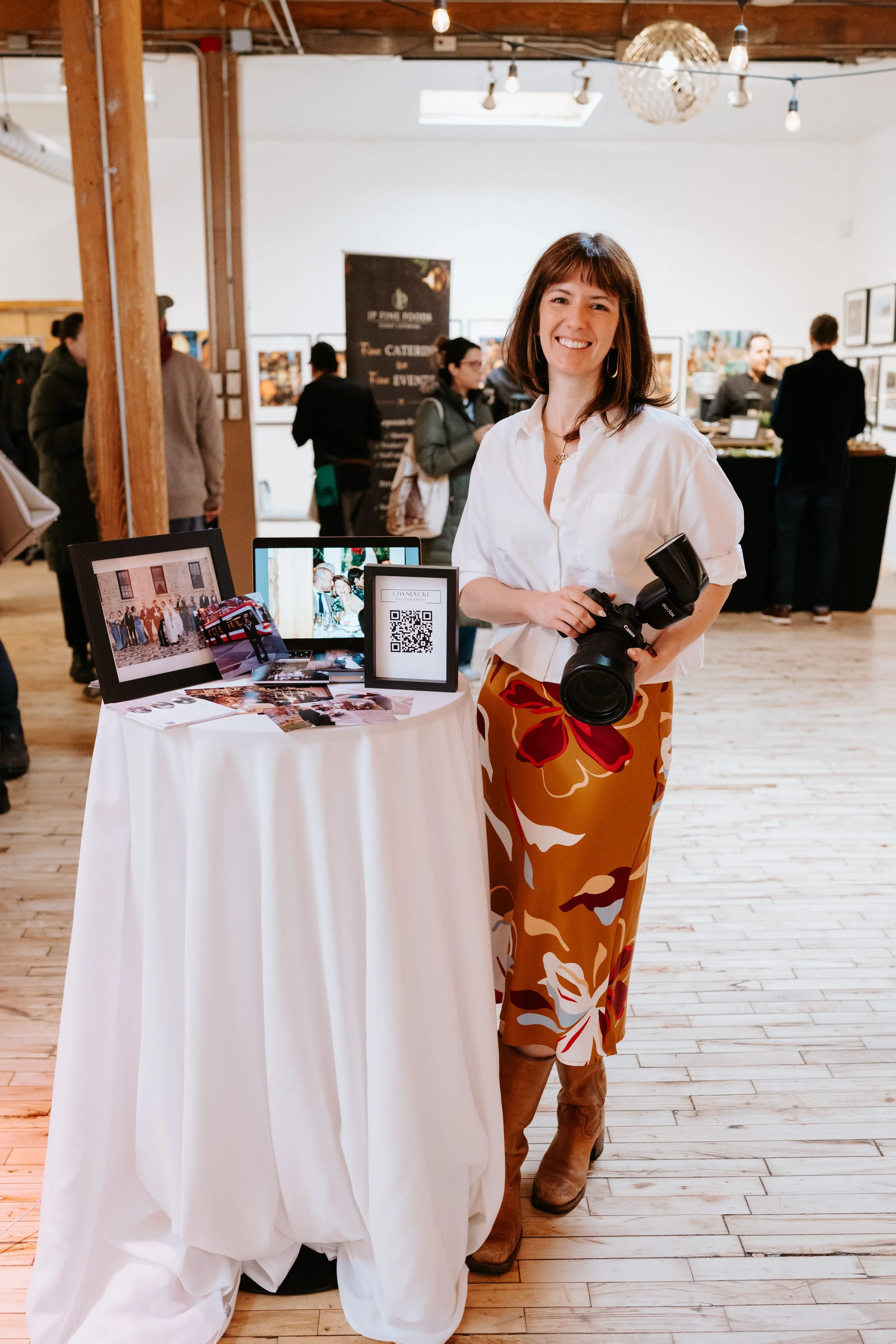
Planning and coordination by Fay Events ensured that every detail flowed seamlessly throughout the event.
We were proud to work with photographer Gillian Foster, who provided all of the amazing photos in this blog, and talented visual storyteller Alyse Owsiacki, along with cinematic coverage from Future Film Photography and a photobooth by Snap n Sweet.
Events were thoughtfully represented by Zahra Bakhsh, also known as Zahra the Celebrant, who shared how personalized vows and meaningful storytelling can make each wedding unique.
Thank You for Joining Us!
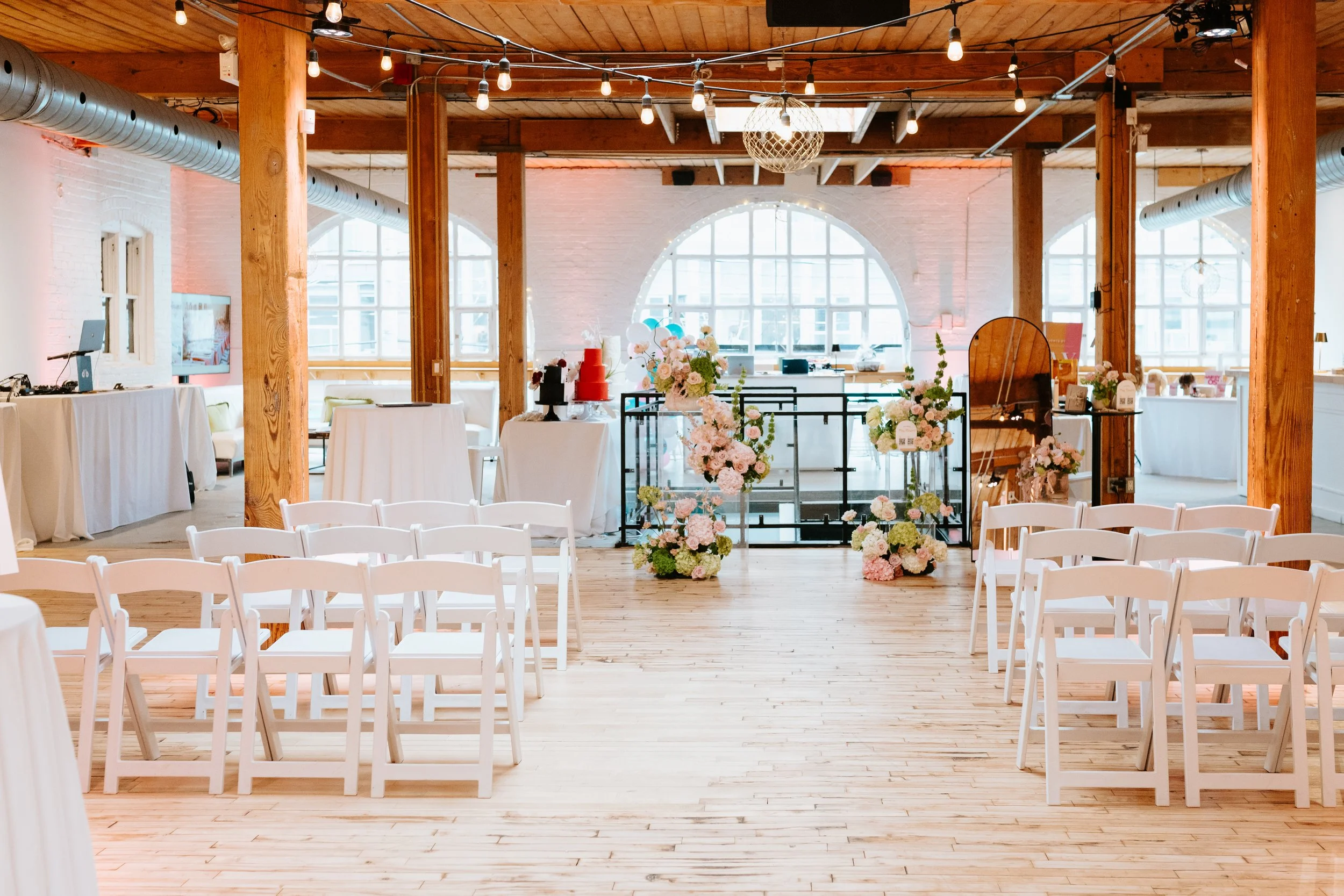
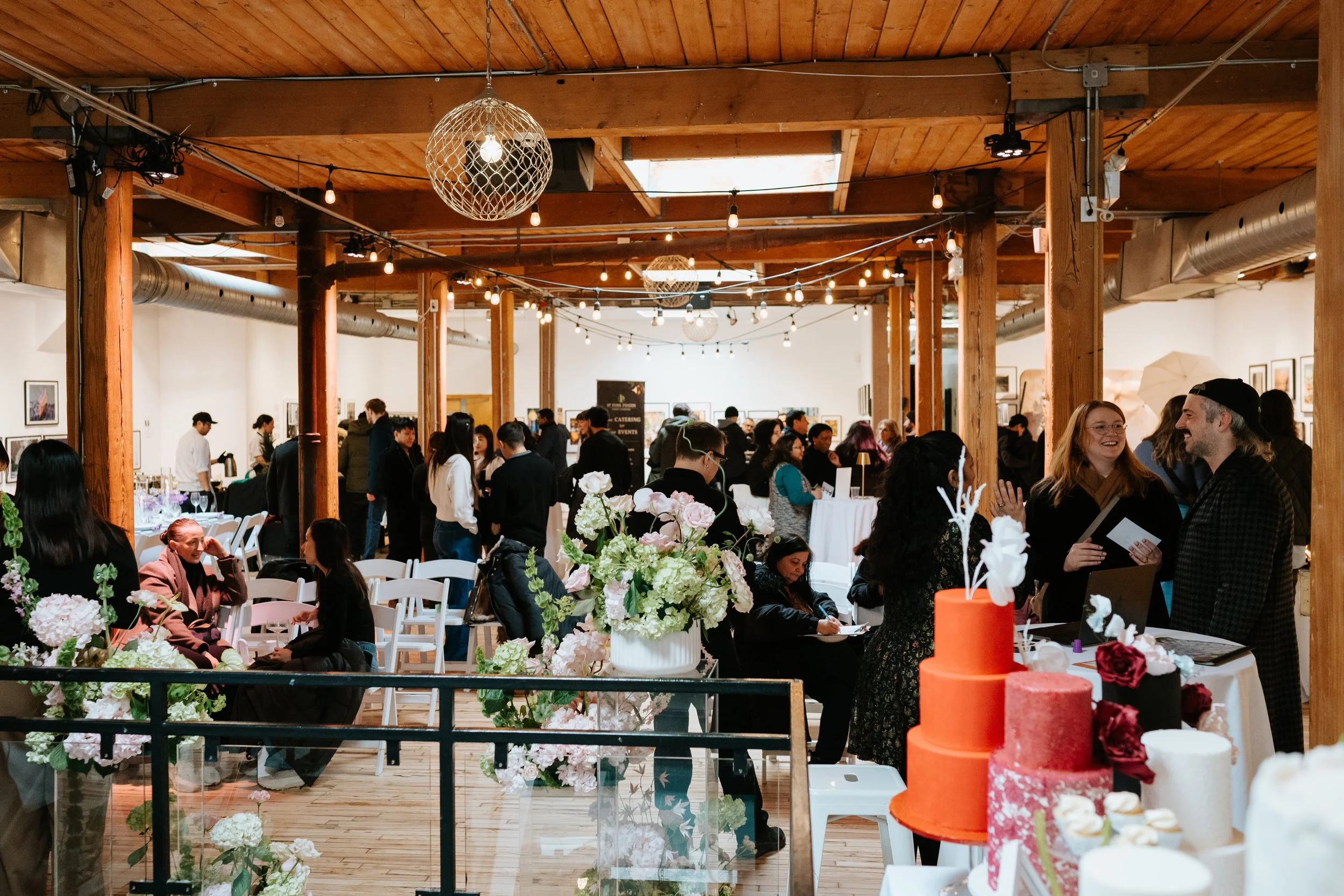

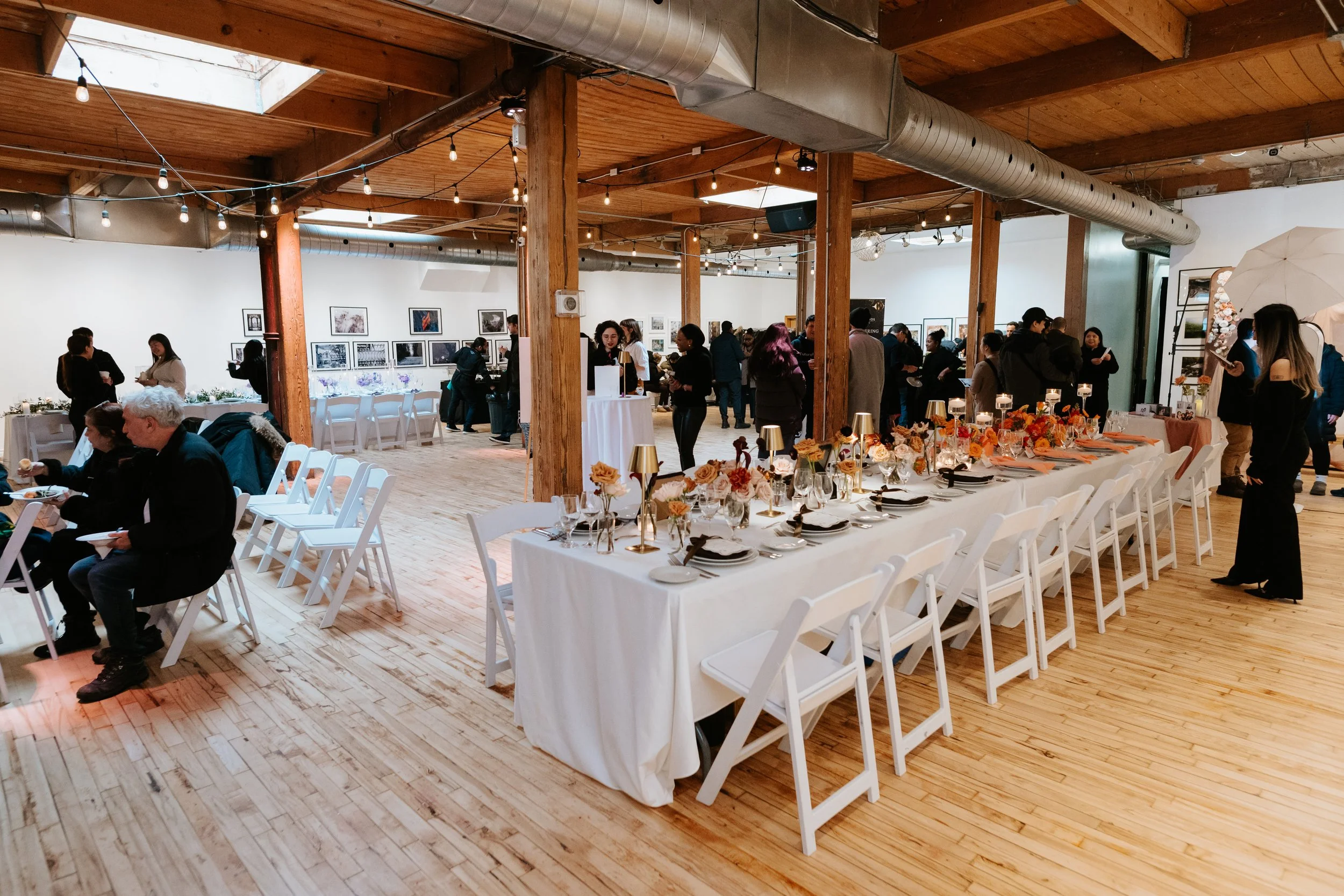
We extend our heartfelt thanks to all of our vendors, visitors and guests who joined us for this special day. Your enthusiasm, conversations, and support made the Open House a true success.
We hope you left feeling inspired, confident, and excited as you continue planning your wedding journey. We can’t wait to celebrate with you again soon.

SHUTTER SPACE: Exploring Inspiration, Process and Practice
From January to March, SHUTTER SPACE brings together photographic works that explore observation, memory and visual storytelling. Through a series of interviews, audiences are invited to get to know the artists and gain insight into their creative process and inspiration.
From January to March, SHUTTER SPACE brings together photographic works that explore observation, memory and visual storytelling. Through a series of interviews, audiences are invited to get to know the artists and gain insight into their creative process and inspiration.
Meet the artists who brought this exhibit to life and get to know their stories.

1. You move between the energy of Toronto and the solitude of nature. How does living in an urban environment shape what you look for when you’re photographing the landscape?
Living in Toronto, I’m constantly immersed in what I call “visual noise”. By this I mean the fast pace, the congestion, and the relentless pulse of the city. I love the city’s energy but it creates a deep, physical need for the opposite. When I step into the landscapes of Quebec or Northern Ontario, I’m not just looking for an interesting composition. I’m in search of “visual silence” to balance out the city’s frantic energy.
Life in the city sharpens my eye for minimalism. Surrounded by the constant noise of billboards and advertising, I find myself seeking out single focal points and visual silence in nature. My photography is a way of capturing the stillness I crave. It allows me to bring a piece of my “happy place” back to those who also feel the weight of urban life.
2. You describe your images as studies of “quiet magic.” What aspects of natural wonder draw you in the most, and how do you translate that feeling into a photograph?
For me, “quiet magic” isn’t found in the loud, dramatic sunsets we often see on Instagram. It’s found in the undramatic moments that happen when you finally slow down enough to notice them. I’m drawn to the shimmer of mist lifting off a lake, the smell of pine trees after a rain, or the way golden light breaks through a heavy cloud layer after a storm.
To translate that into a photograph, I often focus on texture and rhythm rather than just scale. I want my images to act as a “visual meditation.” Where possible, I try to simplify my compositions to remove any clutter, allowing the viewer’s eyes and mind a place to rest.
My goal is for someone to stand in front of a print and feel a deep breath. I want them to experience a physical relaxation where their shoulders drop and they can briefly reconnect with the unconstructed world.
3. Your process involves deep immersion, hiking, observing, and waiting for moments of stillness. How do you recognize when a moment of stillness is the right one to capture?
It’s an instinctive feeling more than a technical one. I spend a lot of time alone while hiking, camping, and sitting in silence. Eventually, the energy of the city fades away and I reach a point where I stop feeling like a visitor and truly inhabit the landscape.
I recognize the right moment when the landscape stops feeling like a subject I am shooting and starts feeling like a place I am simply part of.
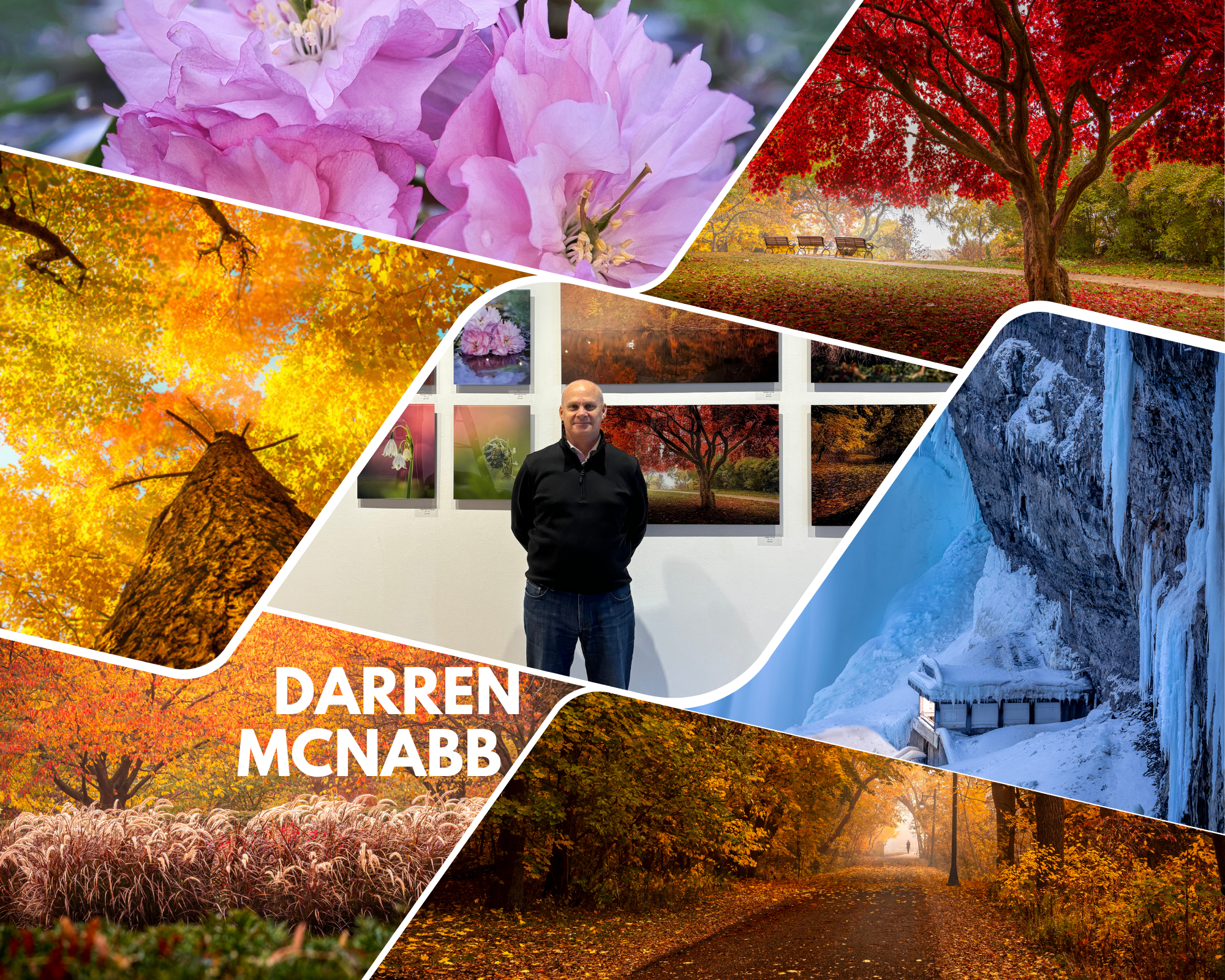
1. After retiring from the business world, photography became a new beginning for you. How did that life shift change the way you see the world and approach making images?
Retirement marked a deliberate shift from a highly structured, outcome-driven life to one guided by attention and curiosity. Photography became the framework for that change. Instead of moving quickly from one objective to the next, I now spend time noticing—how light settles across a familiar path, how a lone figure recedes into a landscape, or how mist and reflection briefly quiet a scene.
That change in pace has fundamentally altered how I approach image-making. I’m no longer chasing productivity or proof of progress. I’m allowing moments to reveal themselves, and photographing them when they feel complete. In many ways, the work reflects the transition itself: slower, more intentional, and grounded in presence.
2. As a self-taught photographer, how did you develop your visual style over time, and what lessons came from learning outside a formal classroom?
Learning photography later in life, without formal training, shaped both my process and perspective. I developed my style through repetition and reflection—by shooting often, paying attention to what stayed with me, and letting patterns emerge naturally. Over time, I noticed a consistent pull toward bold colour, simplified compositions, and images that feel calm but emotionally charged.
Being self-taught reinforced an important lesson: it’s acceptable to be a beginner again. Progress was gradual, and that required patience and humility. But that openness became an advantage. Without rigid expectations, I was free to explore, to trust instinct, and to let the work evolve at its own pace—something that mirrors the broader experience of starting a creative second chapter.
3. Colour plays a major role in your work. What draws you to bold, saturated colour and how do you decide when colour should lead an image?
Colour is often the emotional entry point for me. Bold, saturated hues have an immediate impact—they shape mood before the subject is fully understood. Whether it’s warm autumn light filtering through trees or the quiet intensity of colour rising through early mist, colour becomes a way to communicate feeling rather than simply describe a place.
I allow colour to lead when it deepens the emotional clarity of a moment. If it adds energy, warmth, or a sense of anticipation, I lean into it. If it distracts, I pull back. That balance is intuitive, but it’s always informed by one question: does this choice help the image feel more honest to the experience of being there?
4. You aim to reveal the extraordinary in the ordinary, using painterly techniques. How do you decide which moments to enhance in post-processing and which to leave more natural?
Post-processing is where interpretation enters the process. Some scenes already hold the emotion I felt in the moment—a still reflection, a quiet path, a pause in motion—and those images remain close to their original state. Others need subtle enhancement to express what initially drew my attention.
When I do lean into a more painterly treatment, it’s to emphasize atmosphere, colour, or light in service of feeling rather than accuracy. The goal isn’t to make the image more dramatic, but more impactful. It’s about helping the viewer sense why a seemingly ordinary moment was worth stopping for.
Darren’s Further Insights
Photography represents a meaningful second chapter in my life, not a casual pursuit. After decades in the business world, it provides a different kind of structure—one rooted in movement, observation, and intention. It gives purpose to slowing down, to walking without urgency, and to staying actively engaged with both my environment and myself. This body of work reflects that shift, not just in subject matter, but in pace and tone.
Toronto is central to that experience. It’s a city I live in and move through daily, which allows me to photograph it quietly and repeatedly. Familiarity creates space to notice subtle changes—seasonal colour, shifting light, overlooked viewpoints—and to return to the same places with fresh attention. Through this work, I’m exploring what happens when you stay long enough for the ordinary to reveal its depth.
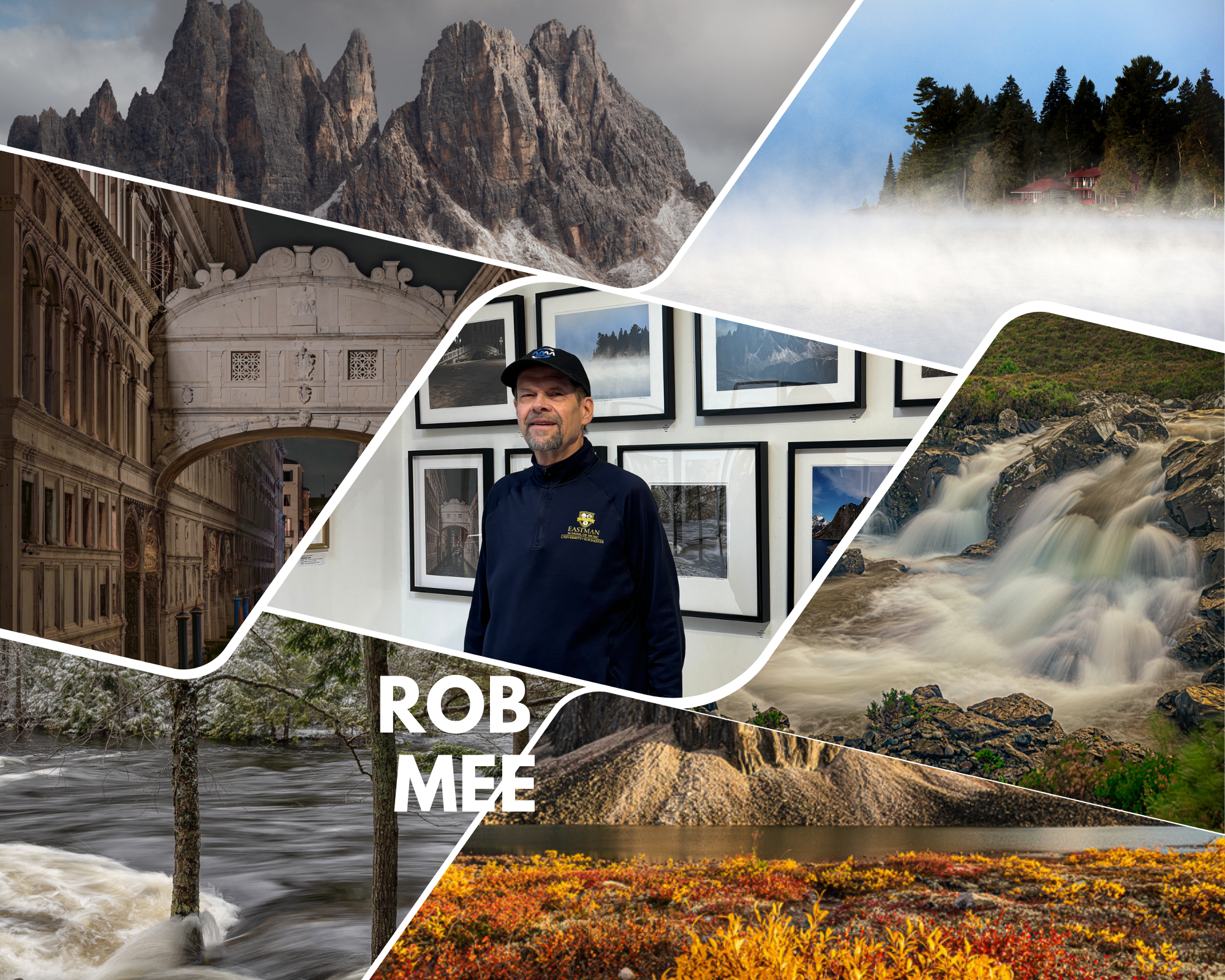
1. Seeing Ansel Adams’ Moonrise, Hernandez was a turning point for you. How has that early experience shaped your approach to light and tonal range today?
Ansel Adams was originally on track to have a career as a concert pianist before he turning his attention to photography. I imagine he too also realized the parallel elements between photo composition and musical composition!
In my landscape imagery, I prefer a more understated approach to light and tonal range which is why I tend to photograph in softer light during golden and blue hours (morning or evening) when colours are more muted with less contrast. When I’m photographing architecture, I will often head out in the middle of the day where the contrast between light and shadow is more pronounced and this is when I will sometimes opt for black and white with the range of tones (think Ansel Adam’s Zone system) that emphasize geometrical patterns.
2. You photograph both remote wilderness and Toronto’s urban architecture. What stays consistent in your vision across such different environments?
My main goal when planning an image is simplicity so that the viewer can easily discern the essence of the image - it’s main intent. Therefore I am purposeful in eliminating any distracting elements from the composition that aren’t central to guiding the viewer’s eyes through the frame to the main subject. The direction and quality of light also help in this regard since photography literally comes from the Greek words “drawing with light!”
3. You’ve recently begun exploring abstract photography in the city. What draws you to abstraction, and how does it change the way you see familiar urban spaces?
Photography and indeed, all visual arts, include elements of line, pattern, texture and shape. Since my professional background is in music and music education, I have always been cognizant of the parallels between art and music - melody, harmony, texture, tone colour and form. Architecture has both form and function so rather than just photographing a building or space, I prefer to isolate parts of a building and highlight some of the elements that create a more abstract view. I’m excited by both the very old architecture in Toronto and equally so by many of the more recent buildings and spaces that emphasize aesthetically interesting designs that lend themselves to abstract interpretations.
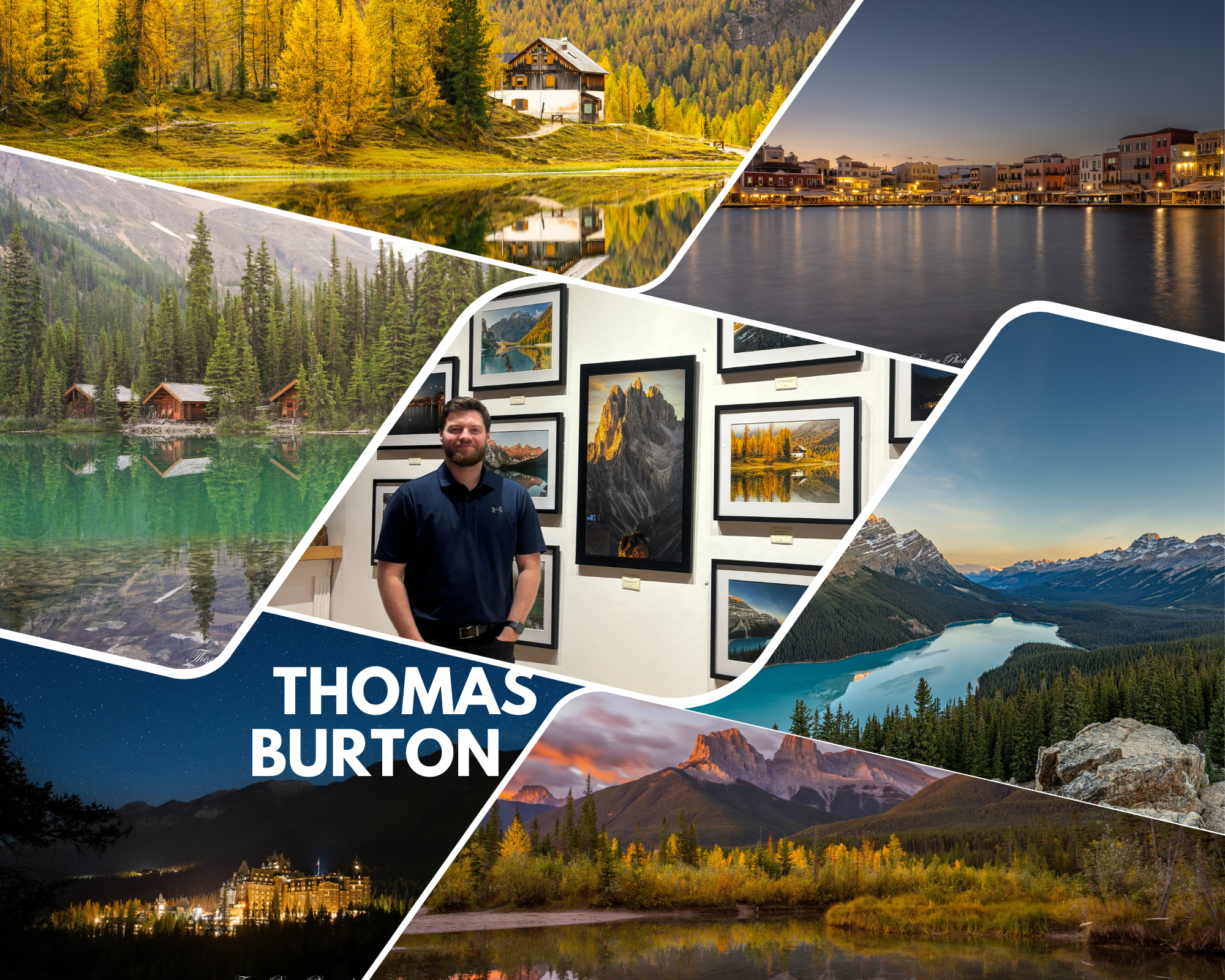
1. You’re drawn to stillness and minimal human presence. What does a successful “quiet” image look like to you?
A successful "quiet" image for me is an image that feels settling. It gives the viewer space to slow down, to notice small shifts in tone, light, or balance. I enjoy scenes that showcase minimal human presence that helps remove noise, so the image becomes more about atmosphere rather than an event. The image should feel complete in its stillness, not dependent on implied motion.
2. Long exposures and reflective water are recurring elements in your work. What do these techniques allow you to express emotionally?
Long exposures slow the image down and remove specificity. Long exposures flatten movement and reduce detail, which makes the scene feel less tied to a particular time and adds more of an artistic flare to the image. Reflective water interrupts a direct view and adds ambiguity, so the image becomes more about structure, tone, and balance than subject.
3. This exhibition is your first formal gallery presentation—how did that shape your selection and presentation of images?
Knowing this was my first gallery presentation, I was more deliberate with the images I chose. Instead of choosing individual images that stood well on their own, I focused on the cohesion between each photograph. Specifically, how the photographs speak to each other in tone, pacing and emotional weight. I paid more attention to sequencing, letting the quieter images with softer tones outline my more dramatic work. The gallery context encouraged me to trust subtlety and to present the work as a sustained experience rather than a collection of highlights.
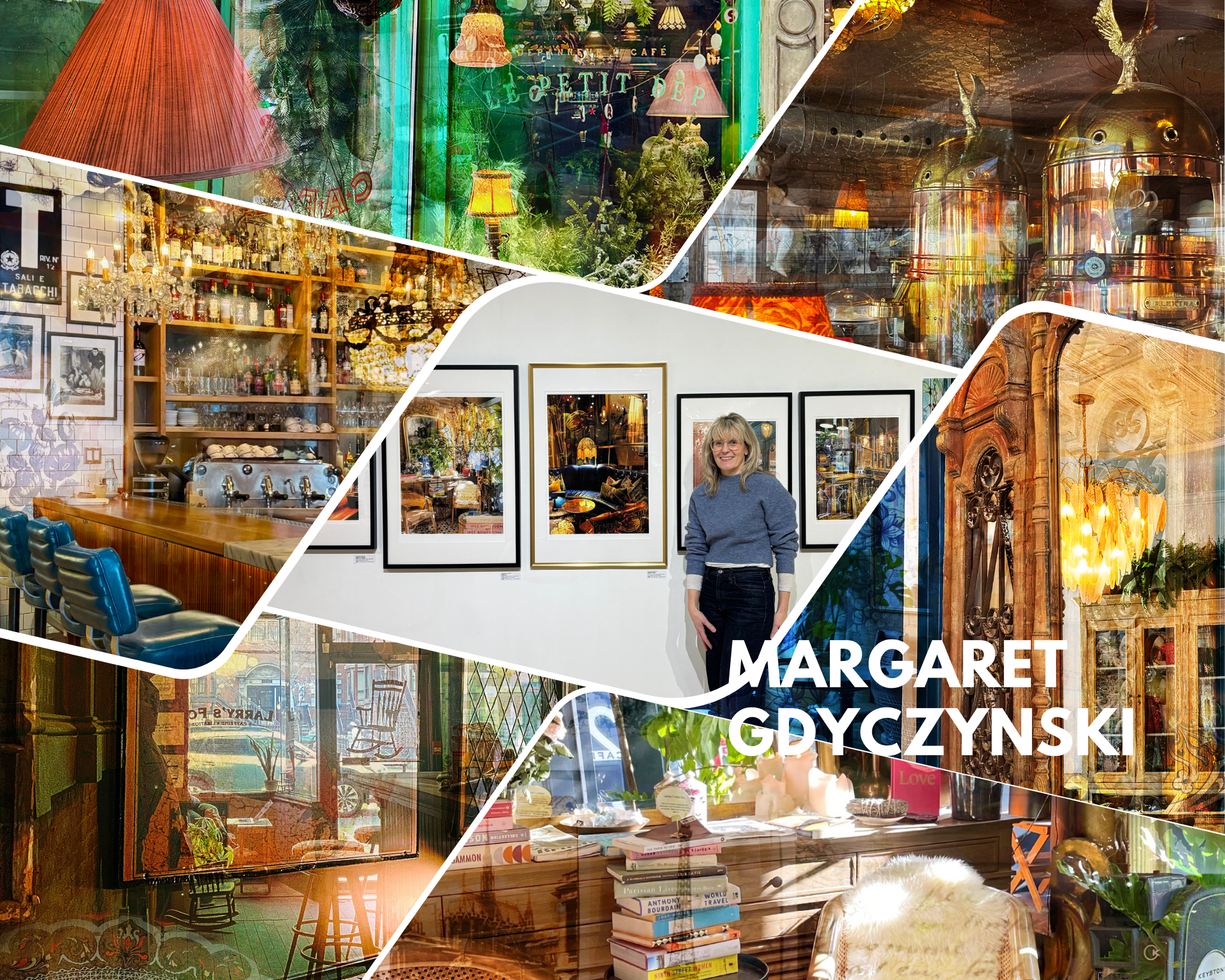
1. Memories can be sparked by sights, sounds, or smells. How do you translate those sensory experiences into your photography?
I translate these sensory experiences when I layer photographs and blend them to create luminosity or overlay using multiple images. Each layer allows the light to screen different parts of a photograph illuminating one area and darkening another. Elements in the photos are enlarged to highlight details that would evoke a sense of smell, for example an espresso machine or a worn leather chair.
2. You explore historical structures, new builds, and the small details that often trigger memories. Are these spaces connected to your personal experiences, or do they reflect more collective memories?
Architecture in my photography is connected to both personal experiences as well as our collective memories. I think that these two can overlap since in public spaces we experience similar events. Often if it’s a historical structure we can collectively relate to past events that took place in the space, such as a wedding or perhaps a tour during a holiday. Meanwhile the personal experience is the details of the photographs, for example the tiles on the floor or the antique lamp which trigger a very specific memory, perhaps your grandmother's house or the room you stayed in while travelling Europe.
3. Your work uses a digital double-exposure process inspired by film. How does this method reflect the way memory works, especially when capturing the feeling of returning to familiar places after a long absence?
The photos have multiple exposures that capture a sense of nostalgia, a longing that sparks our memories. My memories feel like short reels or snapshots of a time and place, never quite formed but dreamlike and always layered with a feeling, maybe a sense of smell and a visual. Double exposure allows me to capture a few collected moments, stacked together, whether they are related or not, it’s how my mind processes all those feelings at once.
4. Through this collection, what do you hope viewers take away when they recognize a sense of familiarity in your images?
I hope the viewer connects with the photographs and while taking time to study the details experiences their own memory of an event or place. The photographs hopefully spark a sense of warmth, welcoming and positive remembering even if it’s just a flicker of something wonderful.
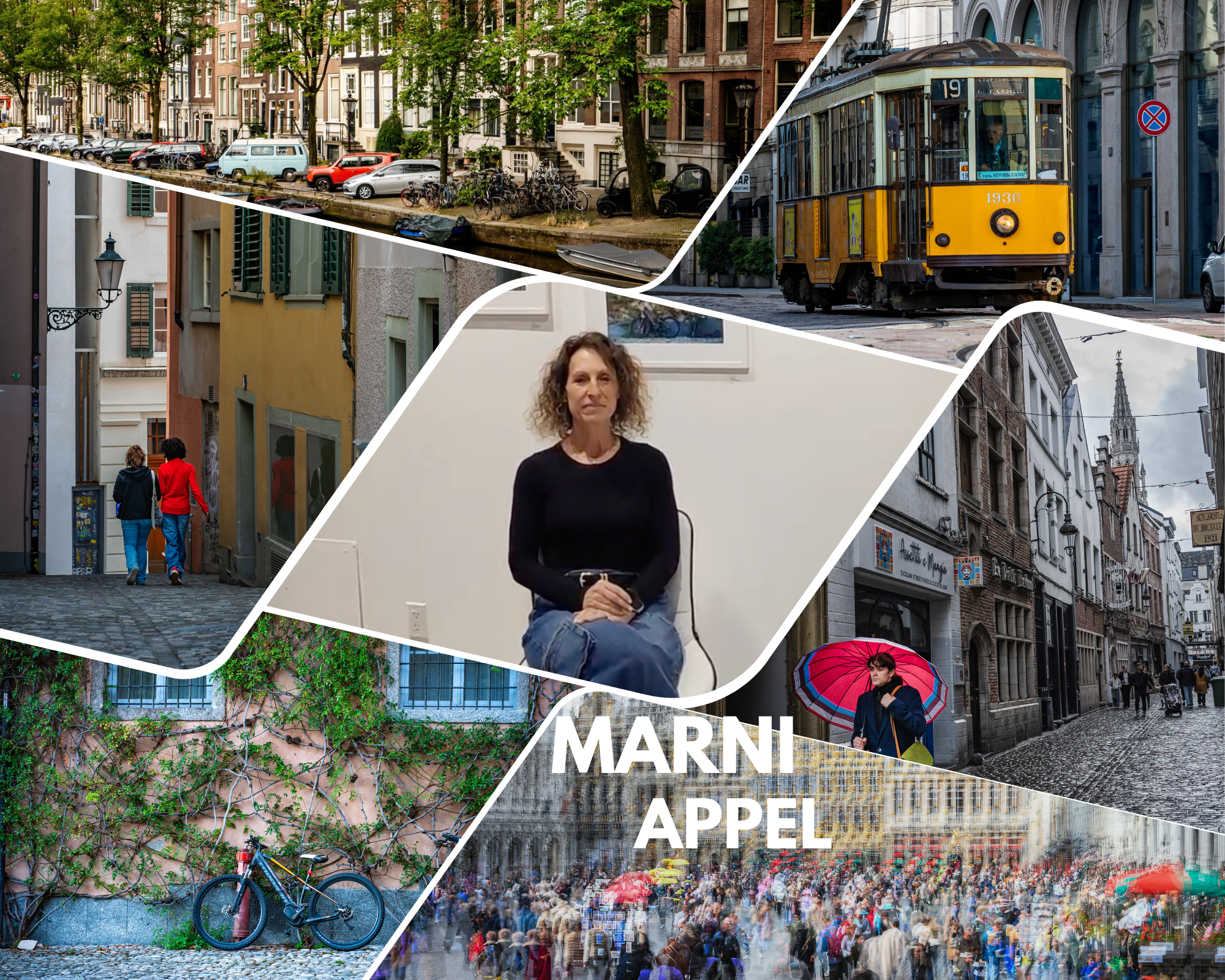
1. In this collection, you focus on European cityscapes. What differences or similarities stand out to you in how people inhabit public spaces across these cities?
Travelling through Europe has given me the opportunity to slow down and simply observe how people move through public space. Compared to North America, there is a noticeable sense of ease; people linger. Cafés and patios are filled with conversation and laughter, and time seems less hurried. Public spaces are treated as places to gather, not just pass through.
One striking similarity across cultures, however, is our shared reliance on technology. I repeatedly found myself photographing people absorbed in their phones on transit, in shopping districts, even while seated together at a table. These moments reveal a quiet contradiction: an increasing disconnection from our surroundings, even when those surroundings are extraordinarily beautiful.
2. Looking back on your journey—from capturing memories to building a social media presence and exhibiting professionally—what achievements or moments have been most meaningful to you?
Photography began as a personal interest, but during the pandemic I committed to developing my craft with intention and discipline. Setting clear goals allowed me to grow steadily, both creatively and professionally. Sharing my work daily on social media has helped me connect with a vibrant community of photographers and build meaningful relationships within the city.
Building M. Appel Creative has been especially rewarding. Through events, portraits, and personal milestones, I’ve been able to help others preserve moments that matter to them. Publishing my photobook, Walking Through the 6ix, was another pivotal achievement; seeing it enjoyed in homes and professional spaces alike continues to be deeply affirming.
Community has always been central to my work. Founding Ladies in the GTA created a supportive and safe space for women to connect, create, and explore photography together. Seeing that community flourish has been incredibly fulfilling. Having my work exhibited at Twist Gallery now brings this journey full circle, and I’m grateful for the support of my friends and family as I celebrate this milestone.
3. Your images often capture the interplay of light, the gestures of strangers, and the contrast between history and modern life. What draws you to these fleeting moments, and how do they reveal the character of a city?
Walking with a camera has trained me to be fully present. I’m drawn not only to iconic landmarks, but to moments that quietly tell a story: how light falls down a narrow street, how people interact with their environment, or how history and modern life coexist within a single frame.
These everyday moments reveal the true character of a city. Whether through architectural details, street art, or human gestures, they create a visual narrative that feels authentic and lived-in. I often choose to edit these images in black and white, allowing the absence of colour to emphasize mood, contrast, and emotion. At its core, my work is about storytelling, using photography to pause time and invite the viewer into a moment they might otherwise pass by.
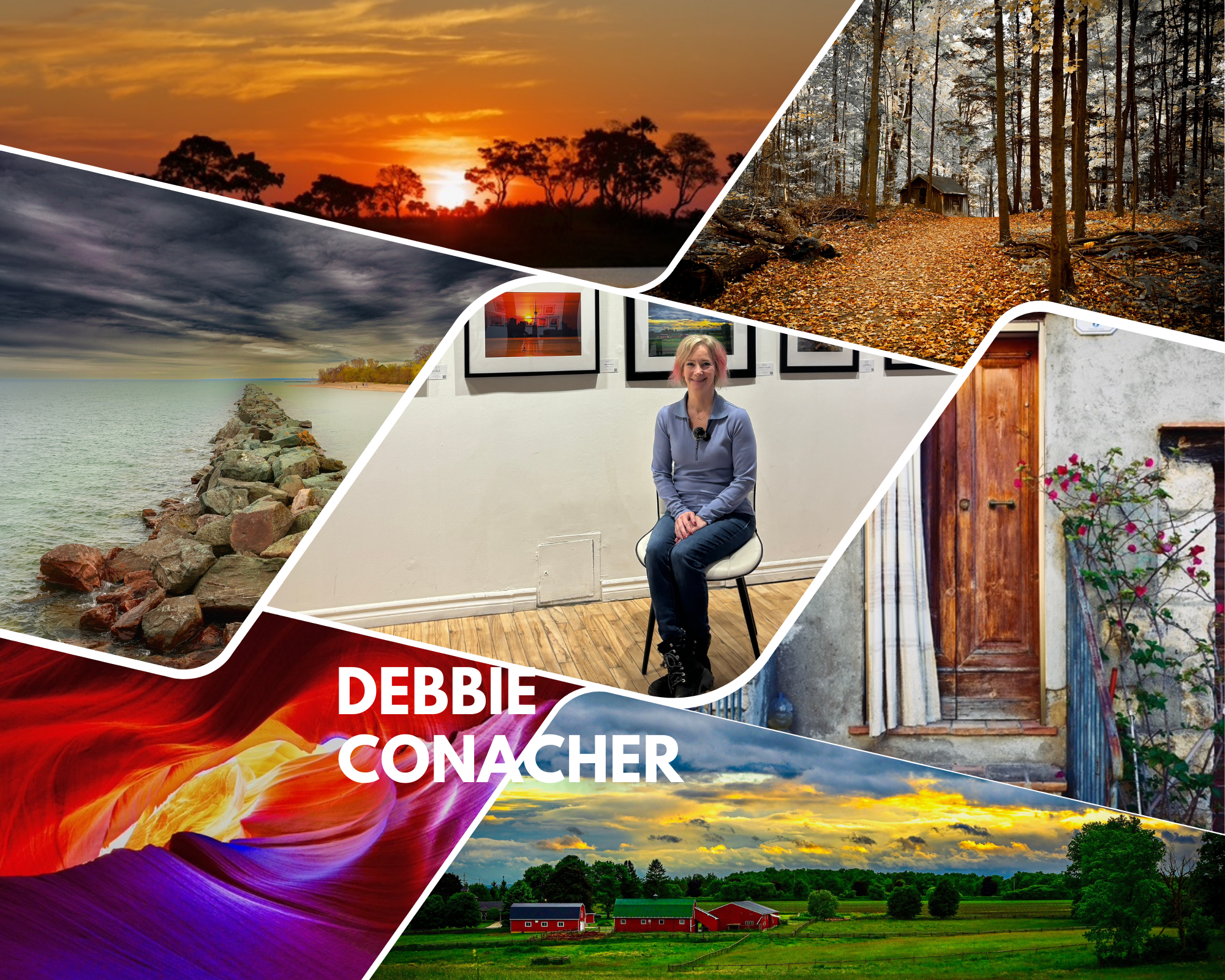
1. You balance a demanding career as a paramedic with your photography. How does your work in emergency services influence the way you see and capture moments in your images?
I’ve been with Toronto Paramedic Services for 22 yrs and as a paramedic and a supervisor I’ve seen and experienced many things that do get buried deep into your soul, but it has also been a very rewarding career. It teaches you to embrace every day, cherish every moment and give yourself time to breath and be present with your journey. When I’m behind the lens capturing landscapes, nature or creating a treasured moment for a client, I feel liberated and free with my creative escape. The joy of making someone smile with my work whether it’s a piece from my collection, or a moment captured for them, that feeling is truly rewarding in a different way because you created it.
2. From film to digital, your photography practice has evolved significantly. How has post-editing opened up new creative possibilities for your work?
I have been in the photography business for over 30 yrs, so when I first went to school for photographic arts (in Thunder Bay) it was all film, chemicals and darkrooms which was its own learning curve. The digital world including post-editing has been a steeper learning curve. I’ve always popped my images with simple edits, but when you start doing night photography and astro work, you really need to invest time into learning Lightroom and Photoshop. The photography community is very supportive when you ask about techniques with edits. Learning from each other with different post edits like stacking or blending images for Milky Way shots. The possibilities are endless with AI out there now. I still need to sink my teeth into Photoshop. That is on my 2026 goal list!! (I give credit to Robin Knighton who has been my astro photography mentor).
3. Whether photographing landscapes or candid moments with families, what do you hope people feel when they see your images?
When I post an image on my social media or if it’s on a wall displayed, it gives me pleasure when something I see through my camera is replicated even better once I post it or process it in print. I am my own critic, so if I’m happy with the results, my goal is to make the viewer just as happy or curious or maybe even have awe with my results. When I work with clients, and families and I capture the essence of their personality or freeze the moment just as they remembered with love, that is the best reward!
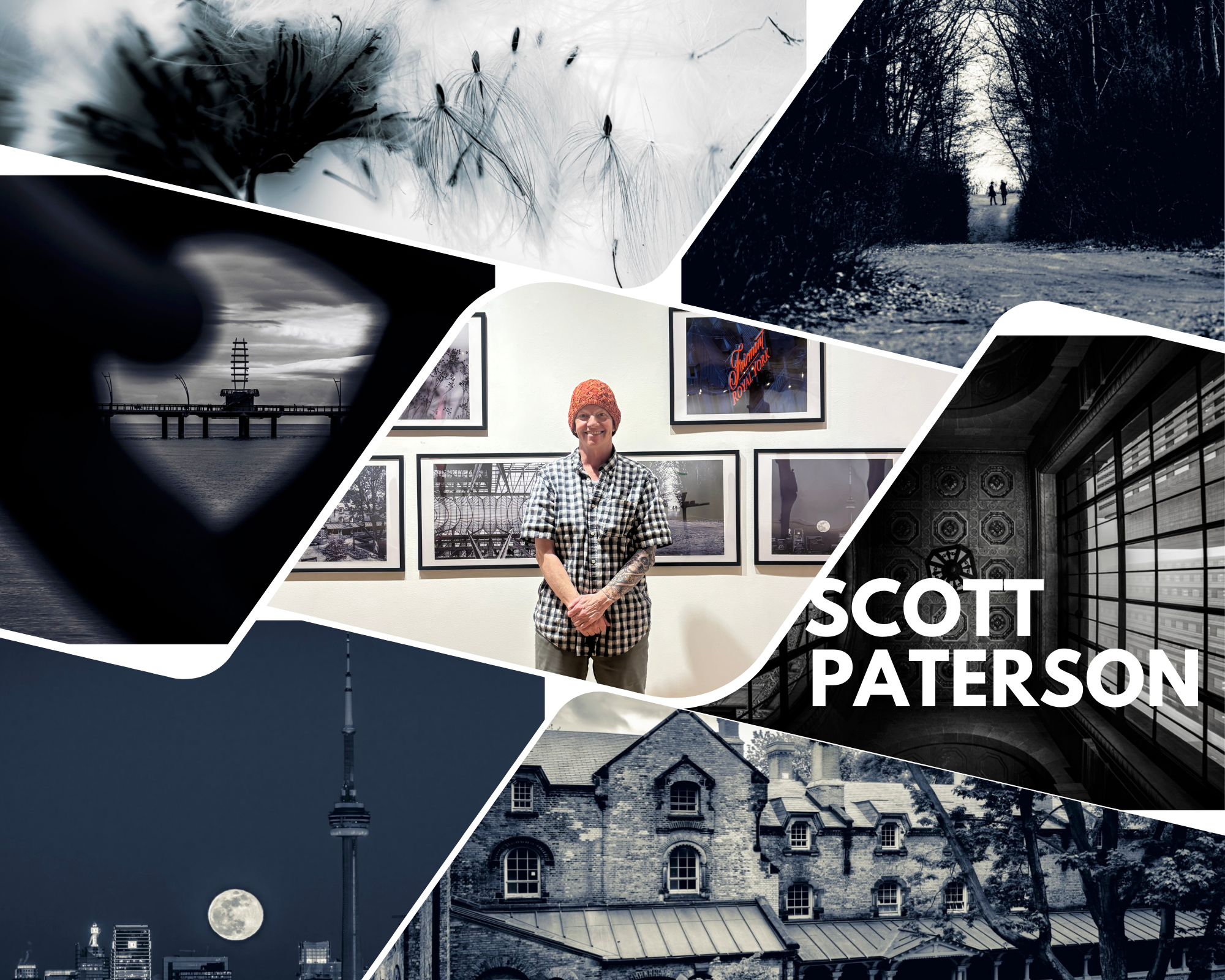
1. You mentioned that your viewfinder is set to black and white. What does removing colour allow you to see in your photographs?
Setting my viewfinder to monochrome, allows me to really focus on my composition and the elements such as lighting and shadows of the photograph, rather than the colours themselves.
2. Shutter Space is your first exhibition. What does it mean to you to share your work publicly, and what do you hope people feel or notice when they see your images?
Sharing my work publicly for the first time through Shutter Space is both exciting and nerve-wracking. It feels like a big step, because my photographs are personal ways of seeing the world, and exhibiting them means allowing others to see moments and perspectives that matter to me. It gives the work a sense of purpose beyond myself and turns it into something that can start a conversation. When people view my images, I hope they slow down and really look. I want them to notice the light, textures, and details that might usually be overlooked, and to feel a sense of mood or emotion within the photographs. More than anything, I hope the images invite viewers to see familiar subjects in a new way and to connect with the feeling or story behind each photograph.
3. You began your artistic journey with drawing and sketching. How has that early way of seeing influenced how you frame and compose your photographs today?
Beginning with drawing and sketching trained me to really observe before creating. When I draw, I have to break a subject down into shapes, lines, tones, and proportions, and that way of seeing still guides how I approach photography. Instead of just reacting to a scene, I think about structure, balance, and where the eye will travel within the frame. Early practice has influenced how I compose photographs today by making me more aware of framing, negative space, and the relationship between light and form. I often approach a photograph as if I’m constructing a drawing, carefully considering edges, contrast, and composition, rather than relying on colour or chance. It’s helped me create images that feel more intentional and thoughtfully composed.
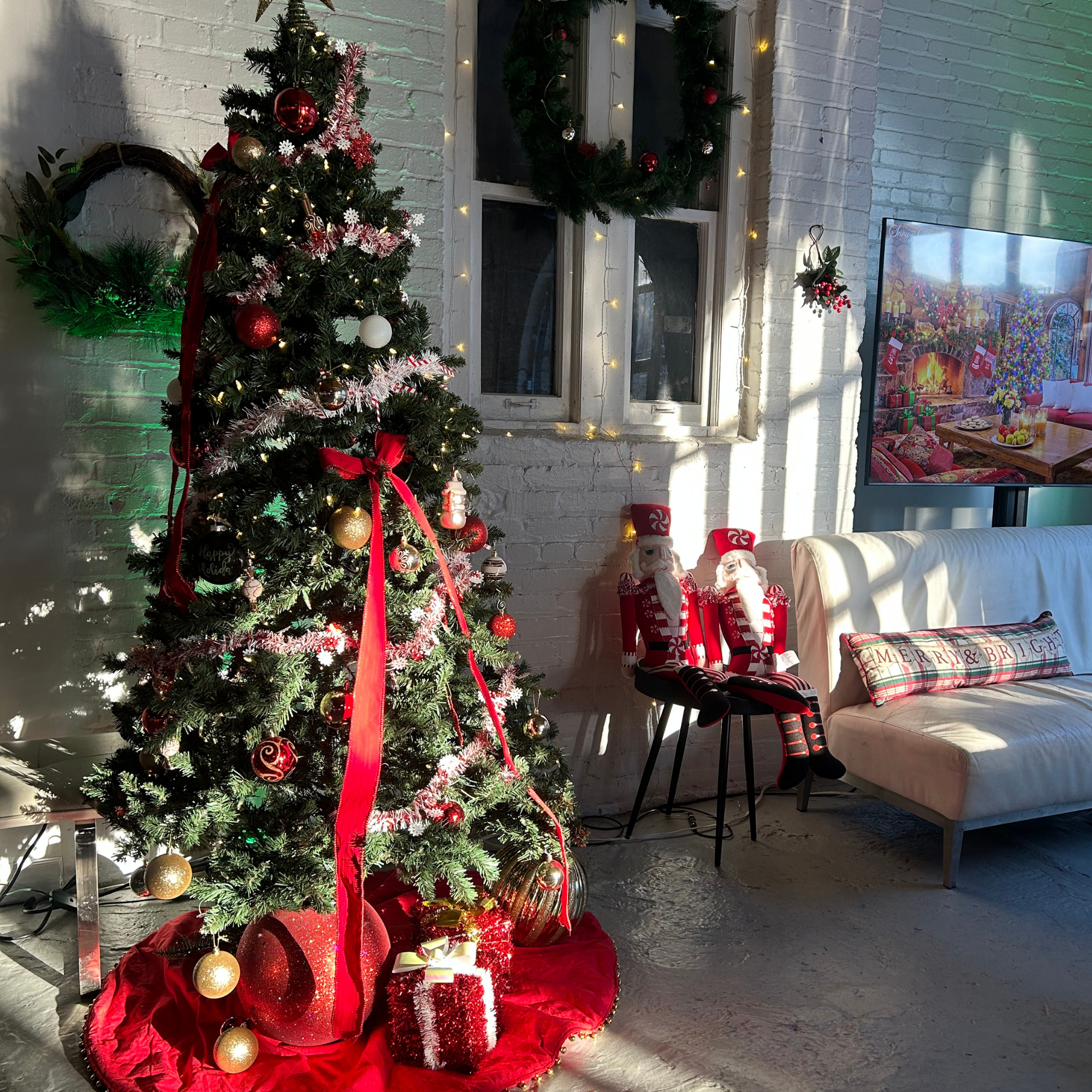
Holy Decor: Check 2025 Christmas Decor Trends 🎅🏼✨
As we’re finally approaching the ✨most wonderful time of the year ✨, the Christmas Decor talk is here! This year’s Christmas Decor is all about sophistication, nostalgia, and comfort. If you're looking to refresh your festive style, here’s what’s defining Christmas décor this year:
As we’re finally approaching the ✨most wonderful time of the year ✨, the Christmas Decor talk is here! This year’s Christmas Decor is all about sophistication, nostalgia, and comfort. If you're looking to refresh your festive style, here’s what’s defining Christmas décor this year:
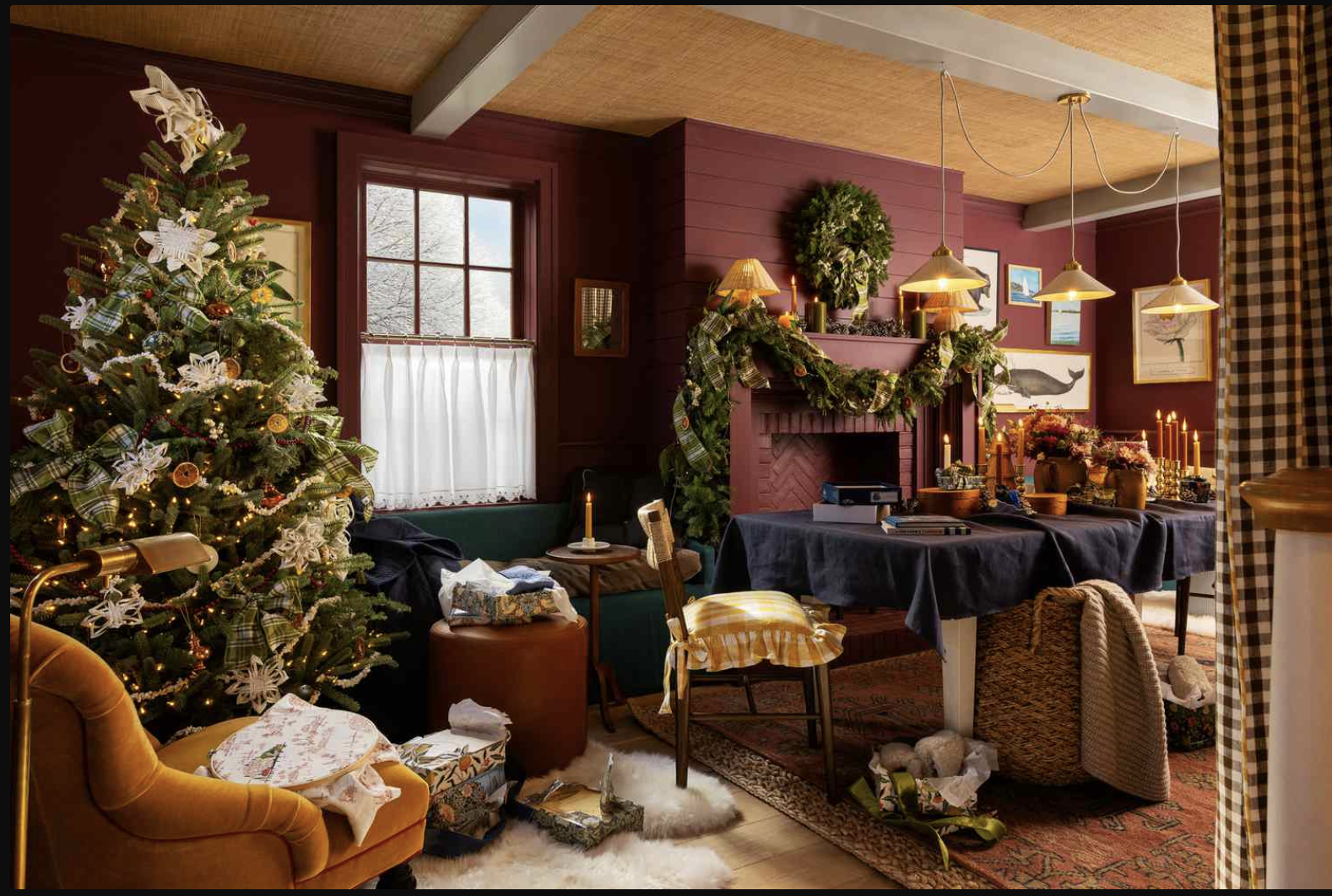
Resource: Google
✵ Keep it traditional, but make it better.
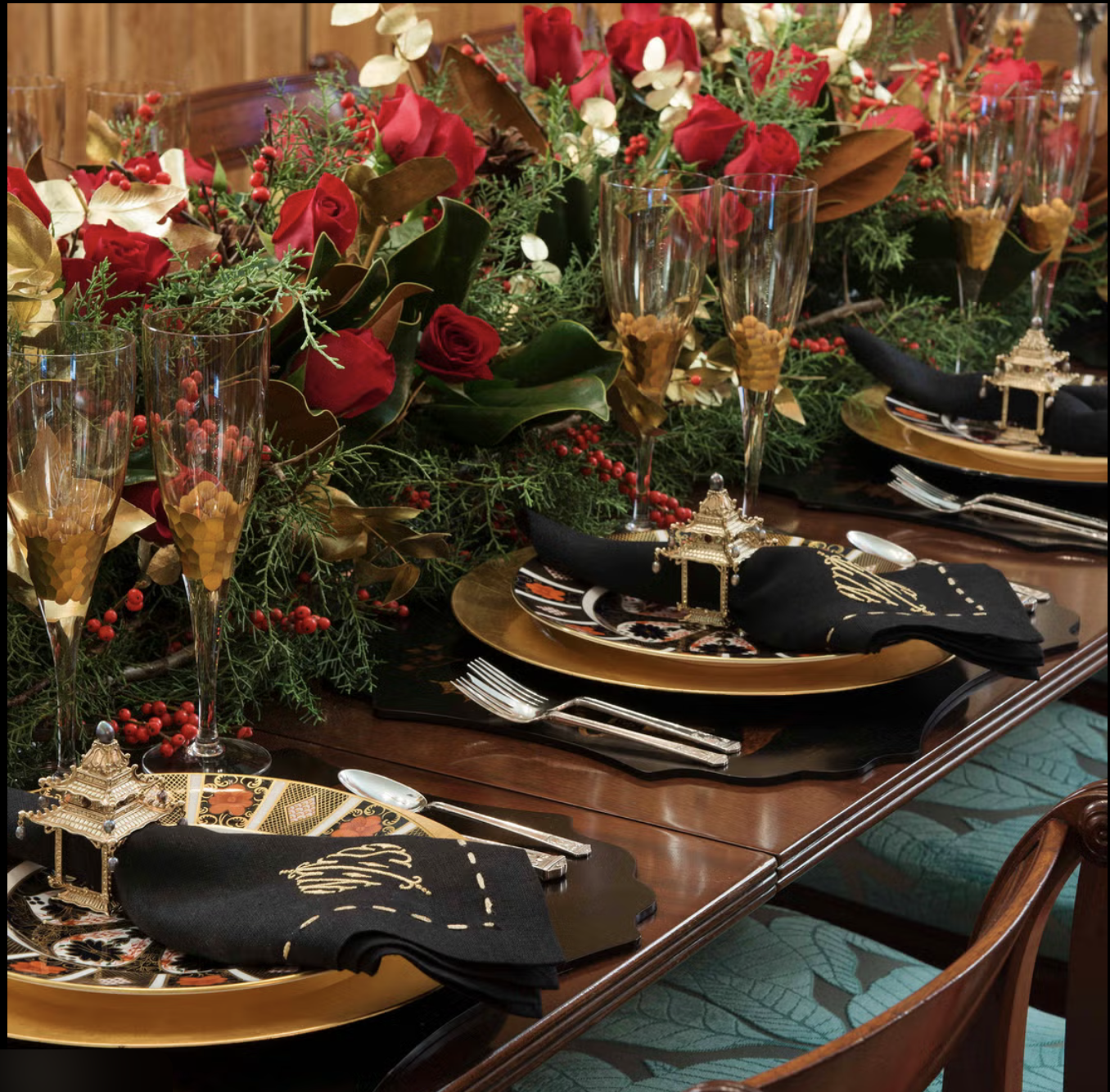
Red and green remain THE Christmas classics, but this year they’re being reimagined in darker, moodier tones. Think jewel-inspired shades like deep red, burgundy, garnet, indigo green, maroon, navy, and even touches of black. Paired with warm neutrals, they create a sophisticated and modern palette for your Christmas celebration.
✵ Guess who’s back (again)? PLAIDS!
Plaid continues to reign as a holiday staple, but this season it's being incorporated in fresh ways, layered with throws, accent pillows, gift wrapping, and even ribbons. It's that cozy cabin-like charm that instantly warms up any space.
✵ It's all about being chic and rich! Or at least look like it!
Wool, satin, and velvet are stealing the spotlight this Christmas. Whether used in stockings, tree skirts, curtains, bows or table accents, these fabrics bring elegance and depth to your décor. Their tactile softness is the perfect complement to winter’s chilly evenings.

Resource: Google
Resource: Google
✵ Feels empty? But a bow on it!
Statement Bows are high this season! Simple yet stunning, small or oversized bows are one of the easiest ways to upgrade your décor. Use them on wreaths, stair railings, dining chairs, doors, cutlery, fireplace, on the Christmas tree, or even kitchen cabinets for an effortless festive touch.
✵ Gold or Silver? Why not both!
Forget choosing between gold and silver! This year, we’re combining both. Mixed metals add dimension and shine without tipping into flashy territory. They also pair beautifully with ornaments in any colour palette, from muted neutrals to bold hues.
✵ Oversized ornaments are not an exaggeration; it is a fashion statement.
Because if bigger is better, and better is bigger, we want it all for this season! Oversized ornaments placed on tables, mantels, or shelving add drama and charm with minimal effort.

Resource: Google
✵ Twin in tone, slay in style
Gift-wrapping goes refined with single-colour palettes. Using the same shade across ribbons, paper, and tags makes each gift feel intentional and elevated.
✵ Let it shine, but make it polished!
This year’s décor favours subtle sheen over sparkly overload. The goal is a polished, classic glow, shiny ornaments, satin ribbons, metallic accents, but no glitter bombs in sight.
✵ Intentionally tacky, and nostalgic too!
Retro ornaments bring a nostalgic, playful element to your décor. Think vintage bells, felt characters, bright mid-century shapes, and kitschy figurines. It’s joyful, sentimental, and adds personality to your holiday style.

Resource: Google
It’s Beginning To Look a Lot Like Christmas: a Holiday Guide for Joy and Fun.
As the winter season wraps the city in twinkling lights and festive cheer, there’s no shortage of activities to make your holidays magical. From holiday markets to pop-up bars, ice skating rinks, and dazzling light displays, the city is ready to enchant visitors of all ages. So here’s a small guide to the most famous and iconic spots around the city, so you don’t miss all the fun!
As the winter season wraps the city in twinkling lights and festive cheer, there’s no shortage of activities to make your holidays magical. From holiday markets to pop-up bars, ice skating rinks, and dazzling light displays, the city is ready to enchant visitors of all ages. So here’s a small guide to the most famous and iconic spots around the city, so you don’t miss all the fun!

Distillery Winter Village
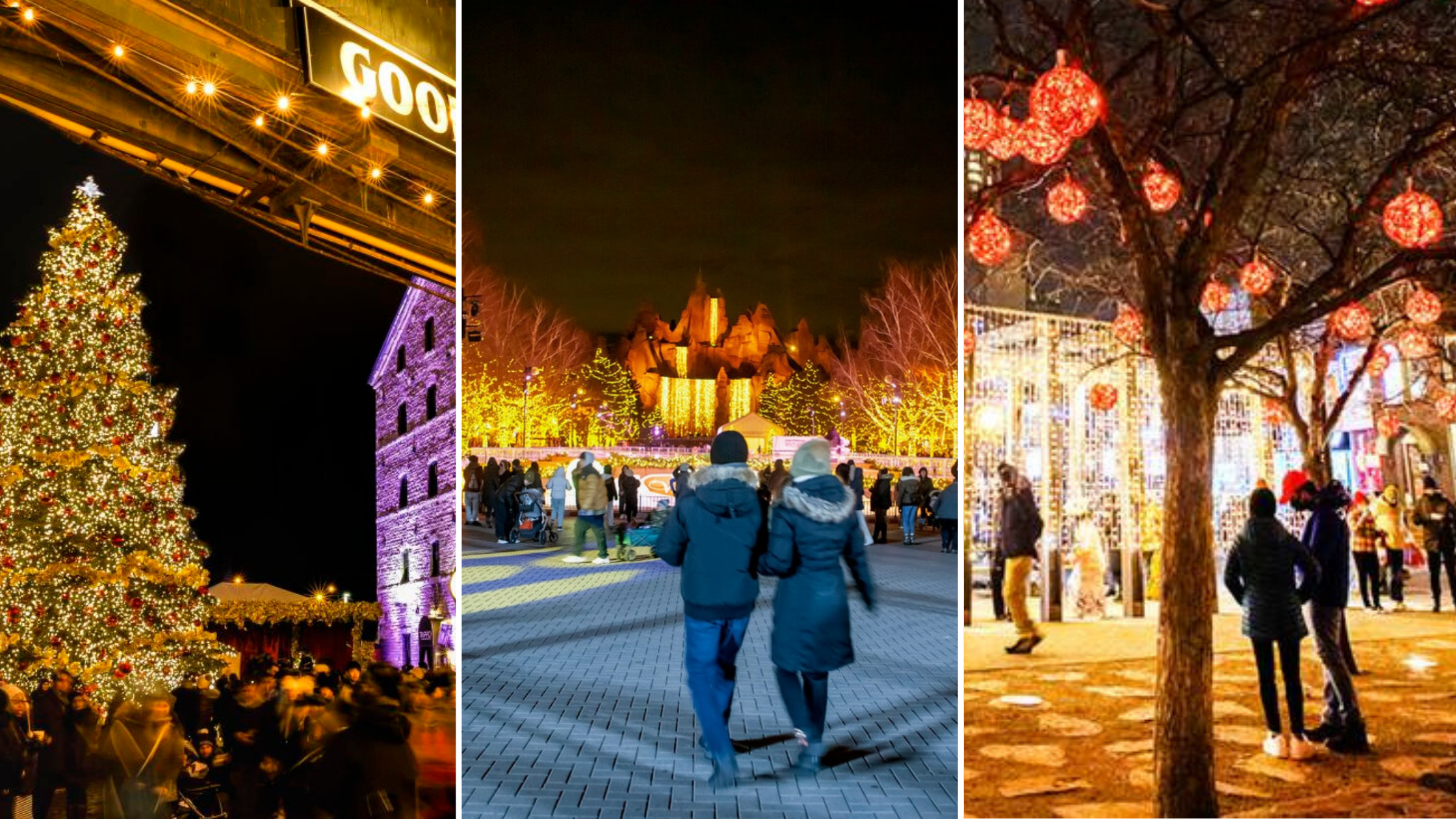
One of the most famous Christmas spots in the city, the Distillery District invites you to wander its charming cobblestone streets, beautifully themed for the holiday season, with artisan stalls, festive treats, cozy restaurants, and luxurious gifts.
Canada’s Wonderland Winter Fest
At Canada’s Wonderland, a park that closes for the winter, the holiday season brings it back to life, transforming itself into a holiday wonderland, where thrills meet holiday magic with sparkling lights, seasonal shows, and rides for the whole family.
Yorkville Neighbourhood
Immerse yourself in the charm of Yorkville, the upscale district where holiday magic meets sophistication. Shop for unique gifts at boutique stores, stroll along beautifully decorated streets, and marvel at the stylish holiday window displays that light up the season. With elegant cafes and restaurants to pause at along the way, Yorkville offers the perfect blend of festive cheer, luxury, and a leisurely winter stroll that will leave you enchanted.
Reference: Google
Evergreen’s Winter Market
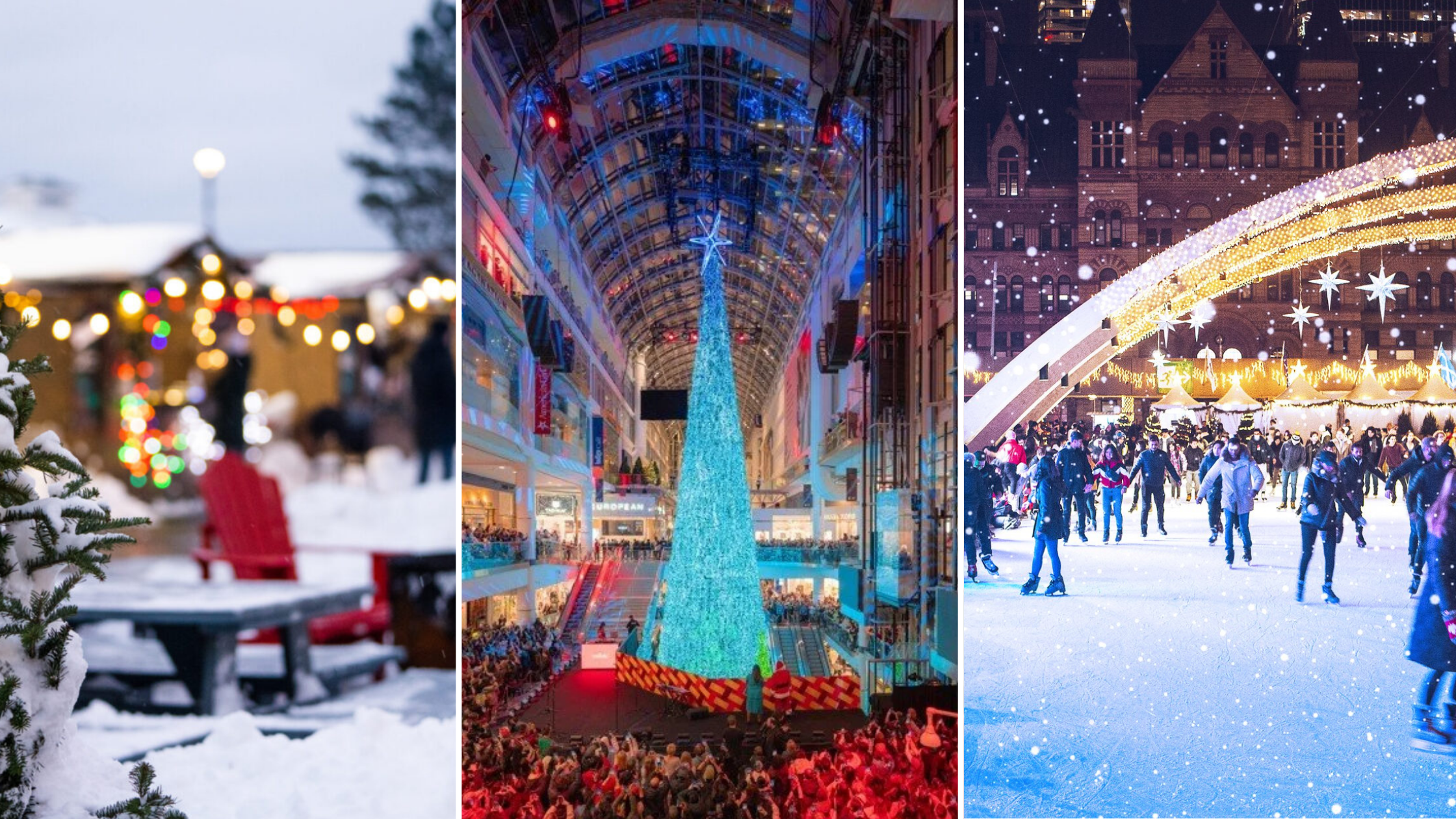
a festive destination filled with the spirit of the season. Explore a curated selection of local vendors offering unique handmade gifts, discover cozy winter crafts perfect for holiday décor, and savor delicious seasonal bites that will delight your taste buds. With its welcoming atmosphere and festive cheer around every corner, Evergreen’s Winter Market is the perfect place to shop, snack, and soak in the magic of the holidays.
Eaton Center Three Lighting
Experience the magic of the holiday season at the Eaton Center Three Lighting, every hour from 1 PM to 8 PM daily. Each lighting display transforms the tree into a shimmering spectacle of colour and cheer, perfect for festive photos or simply soaking in the holiday magic. Whether you’re shopping, strolling, or just enjoying the seasonal atmosphere, this iconic tree is a must-see highlight of the city’s winter celebrations.
Cavalcade of Lights at Nathan Phillips Square Ice Skating Rink
Step onto the ice at Nathan Phillips Square and experience the magic of the Cavalcade of Lights, where dazzling synchronized light displays dance to live music. Glide across the rink as the vibrant colours sparkle around you, creating an unforgettable holiday atmosphere that’s perfect for friends, family, or a romantic winter outing.
Reference: Google
Casa Loma Christmas Castle
A real-life fairytale at Casa Loma, where grand holiday decorations transform the historic mansion into a magical winter wonderland. Wander through elaborately adorned rooms, marvel at sparkling lights, and enjoy special seasonal events that bring the spirit of the holidays to life for visitors of all ages.
The White Garden at Queen's Harbour
Dine at The White Garden at Queen’s Harbour, a restaurant transformed into a mesmerizing winter wonderland filled with twinkling white lights and enchanting holiday décor. Whether you’re enjoying a cozy family meal, a romantic dinner, or simply taking in the seasonal ambiance, this beautifully lit space offers a serene and unforgettable holiday dining experience.
The Well Ice Skating Rink
Glide across The Well Ice Skating Rink and skate beneath a canopy of twinkling holiday lights in a cozy, urban winter setting. Whether you’re enjoying a fun outing with friends, a family adventure, or a romantic skate, the festive atmosphere and sparkling lights make every moment magical.
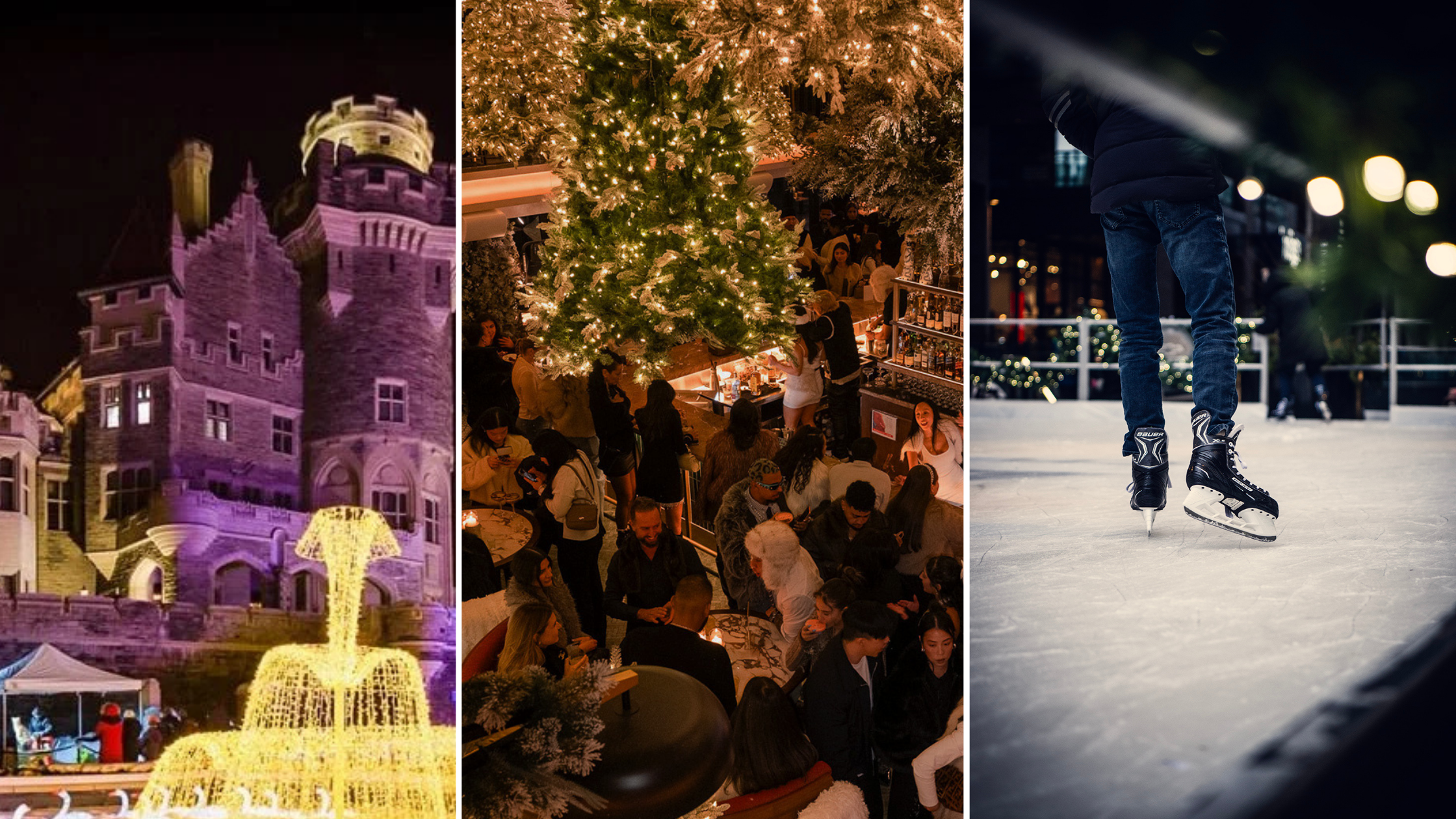
Reference: Google
But if you’re a Queen Street Lover like us and all for the Christmas Bar, Restaurants and Pop-ups, here are a few options for fun and festive locations to go around our neighbourhood:
Aleria Greek Restaurant Christmas Decor
Delight in traditional Greek flavours while surrounded by stunning holiday decorations. From sparkling lights to festive table settings, Aleria offers a warm and inviting atmosphere for a seasonal culinary experience.
Candy Cane Christmas Pop-up Bar
Step into a whimsically decorated space and sip on festive seasonal cocktails. With candy-cane accents, twinkling lights, and cheerful music, this pop-up bar is the perfect spot to toast the holidays with friends.
Papi Chulos Christmas Pop-up
A lively festive destination where holiday bites and drinks take center stage. Enjoy a cheerful ambiance, colourful décor, and seasonal treats that make every visit a joyful celebration.
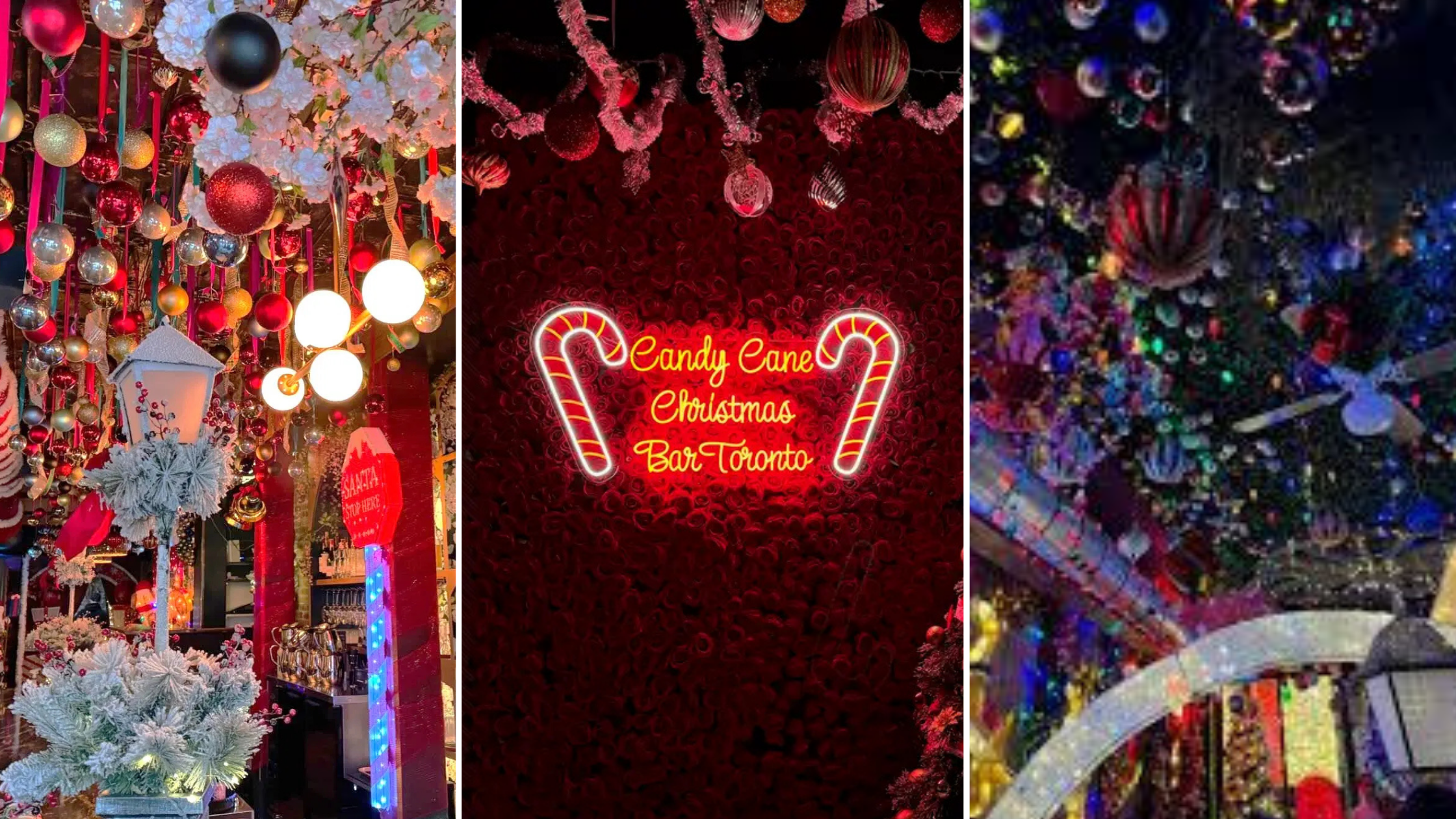
Little Ese Christmas Pop-up
Discover unique gifts, handmade items, and festive treats in a cozy, intimate pop-up setting. Perfect for finding special holiday treasures while soaking in a charming winter atmosphere.
Melody Holiday Christmas Pop-up
Shop for thoughtful gifts or enjoy seasonal refreshments in a beautifully decorated space. With twinkling lights and a festive atmosphere, Melody’s pop-up brings holiday magic to every visitor.
Papi and Rosita Christmas Pop-Up
Bright decorations, cheerful vibes, and holiday-themed goodies await at this festive pop-up. It’s the perfect place to celebrate the season, grab a gift, or simply enjoy the holiday cheer.
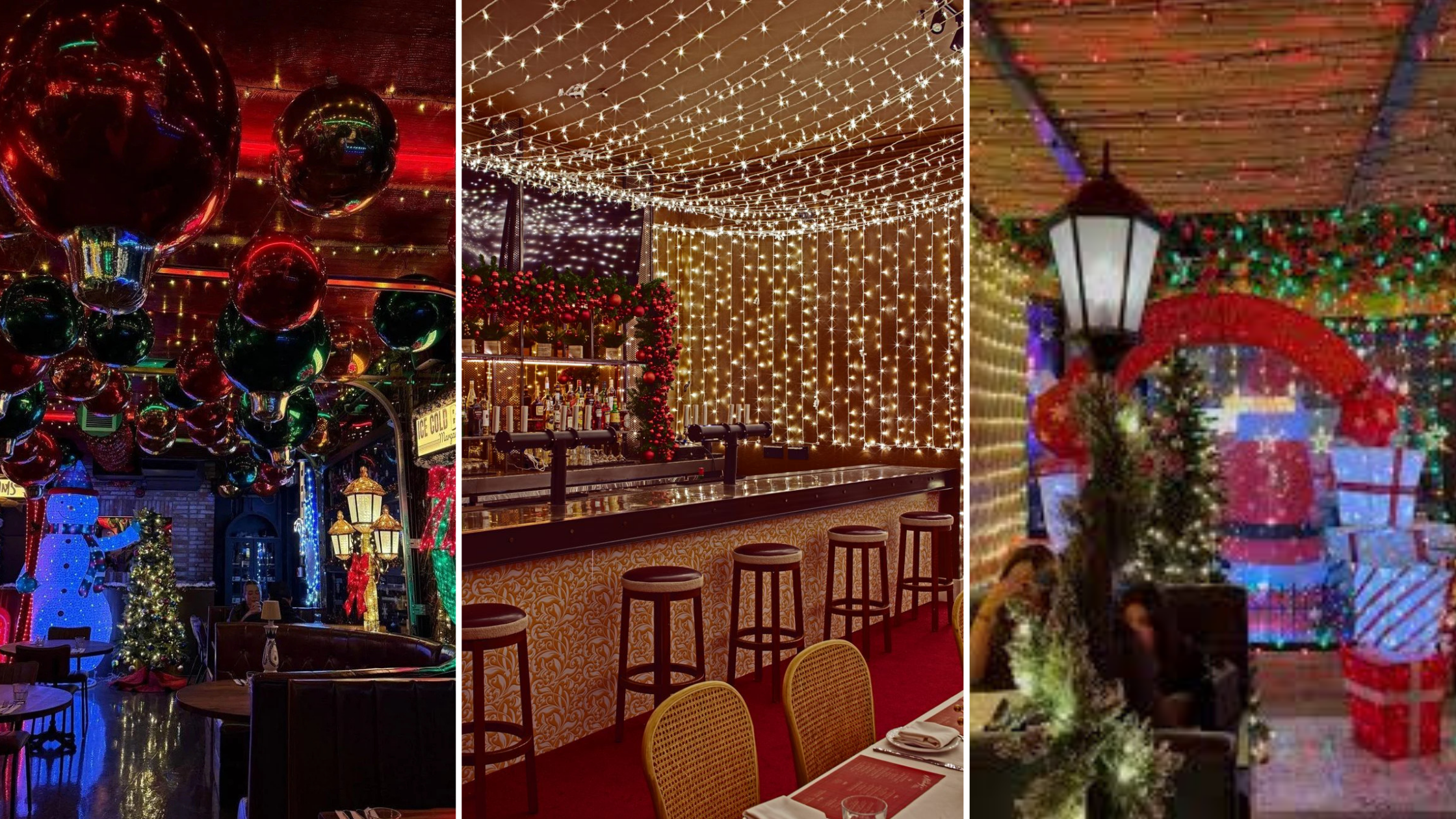
Twist Gallery
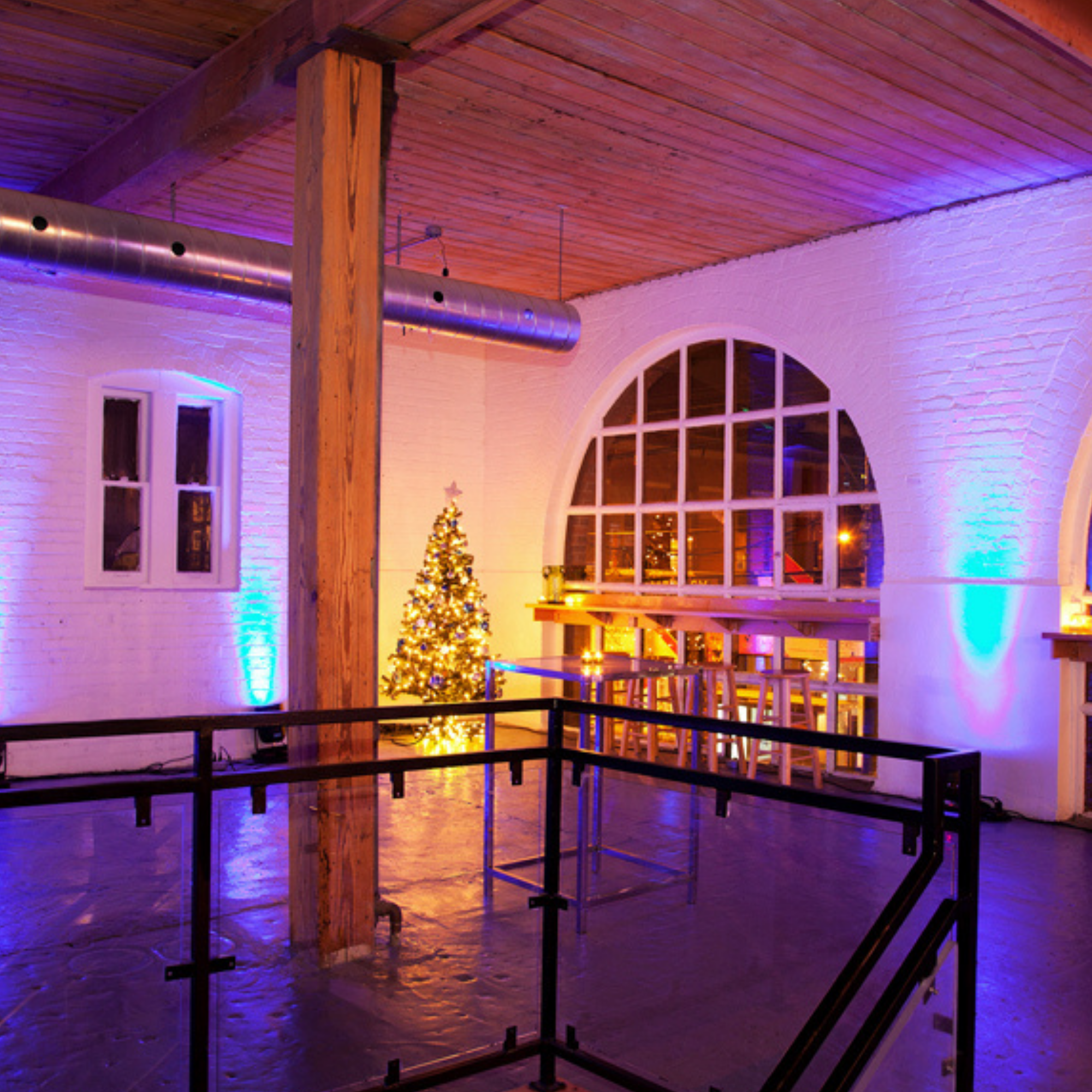
If your interest is in hosting parties, we are the right place for you! Here at Twist Gallery, we book all kinds of events, including Holiday Events and parties! Don’t wait, book your holiday party with us and make this season truly memorable!"
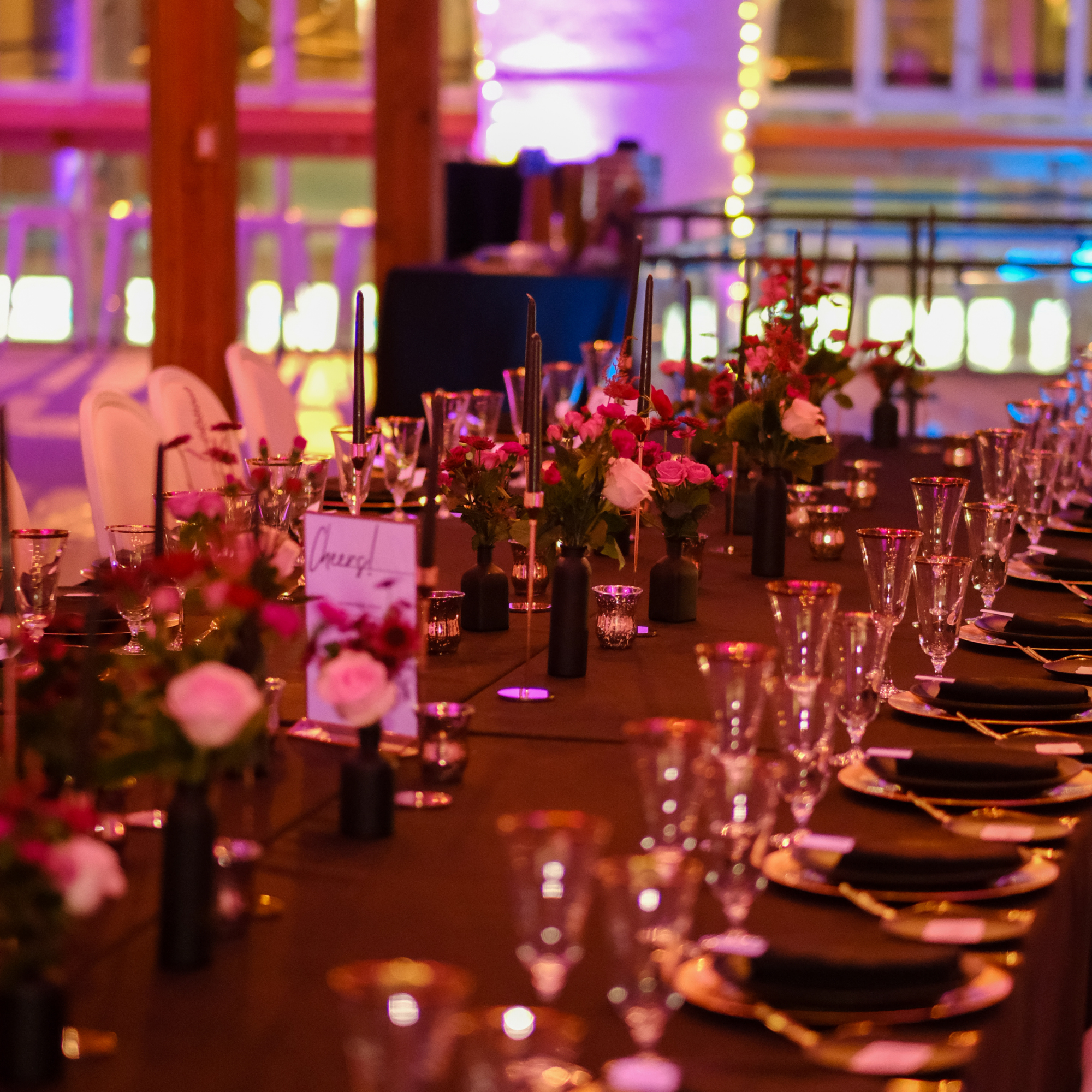


And that’s a wrap on our holiday city guide! Of course, there’s so much more to explore this season, but these are some of our favourite spots and suggestions to get you started. Be sure to follow us on our socials (@twistgallery) for more festive inspiration, and from all of us, we wish you a very merry Christmas and a joyful holiday season!
Material Memory: Unpacking the Stories Beneath the Surface
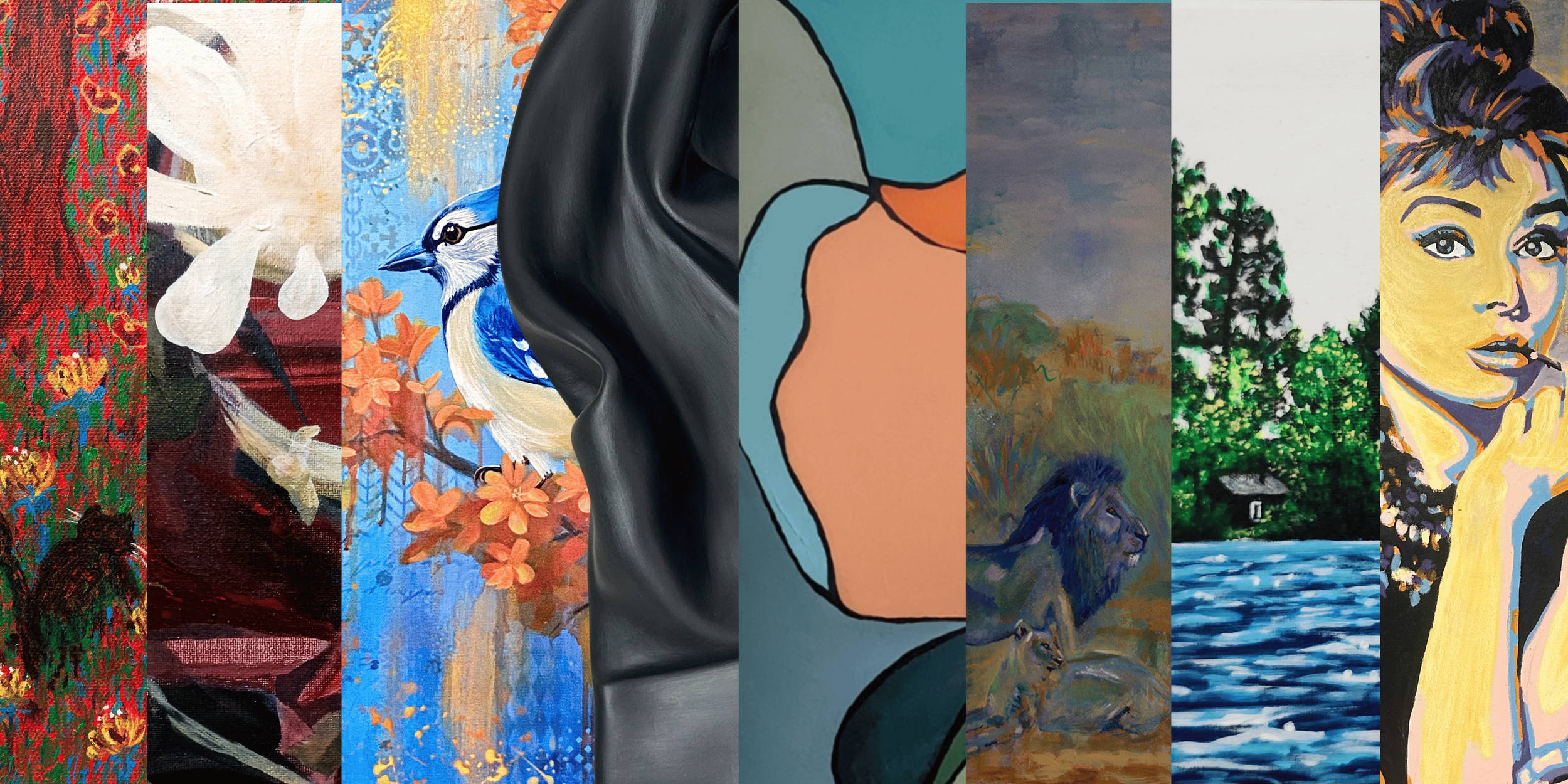
Our November-December exhibition, Material Memory, explores emotion, expression, and the sense of belonging through abstract and landscape works with sparks of colour and forms that will stay in the memory of anyone who appreciates it.
An exhibition where art and rememberance collide.
Our November-December exhibition, Material Memory, explores emotion, expression, and the sense of belonging through abstract and landscape works with sparks of colour and forms that will stay in the memory of anyone who appreciates it.

Meet the artists who brought this exhibit to life and get to know their stories.
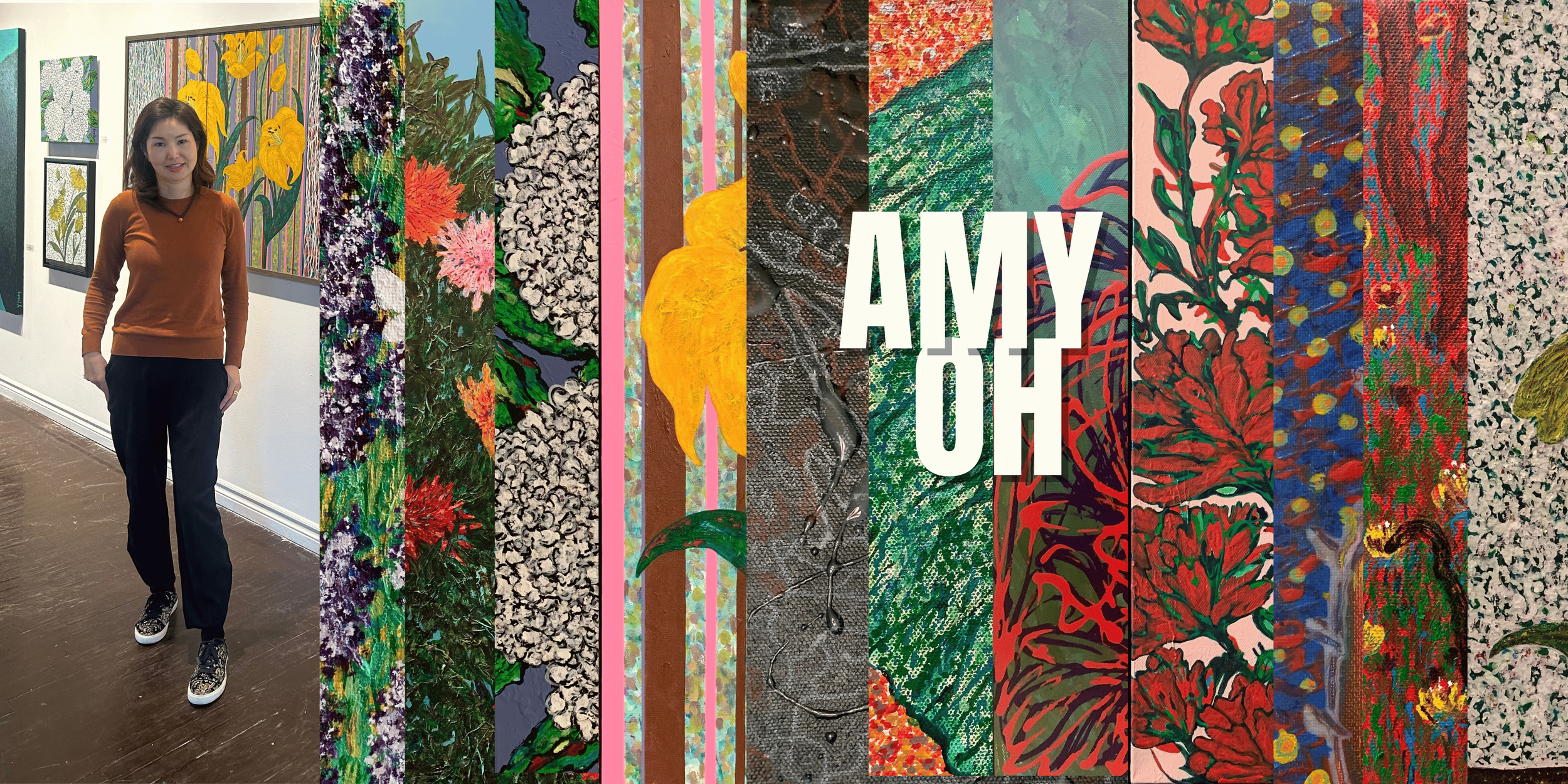
1. Nature is very present in your work. Could you tell us a bit about how you discovered your passion for nature, and as you mentioned, “it's quiet strength,” and decided to incorporate it into your art?
Since the pandemic began, I started taking daily walks, something that became a quiet part of my life. At first, it was just a way to move and clear my mind, but over time, I began to notice the small details around me. I saw how trees, flowers, and mountains endure through rain, snow, and storms. They wait patiently, and then when the time comes, it bursts with a powerful, almost overwhelming energy. Watching this felt like witnessing a truth about life itself. It reminded me that we, too, endure, we flourish with full strength, and then we must return to stillness, ready for the next cycle. In my paintings, the flowers, trees, and mountains represent ourselves, and I try to capture that drive to live fully, the joy of blooming, and the quiet acceptance of returning to rest.
2. What is the main feeling you want to transmit through your work to its viewers?
I hope my work conveys a calm but active energy. Even when it seems still, there is always movement, like light shifting or plants growing. When I paint, I use varied rhythms with dripping techniques, fast and slow brushstrokes, and scraping layers. Through these gestures, I try to show the life force that flows through nature and invite viewers to feel that energy within stillness.
3. Would you say that this exhibition’s name, “Material Memory,” fits with your art style?
Yes, it fits well. Each layer and texture shows traces of touch, time, and attention. Materials seem to remember the gestures and moments put into them. What appears still on the surface holds quiet movement and life, reflecting both the process and the energy behind the work.
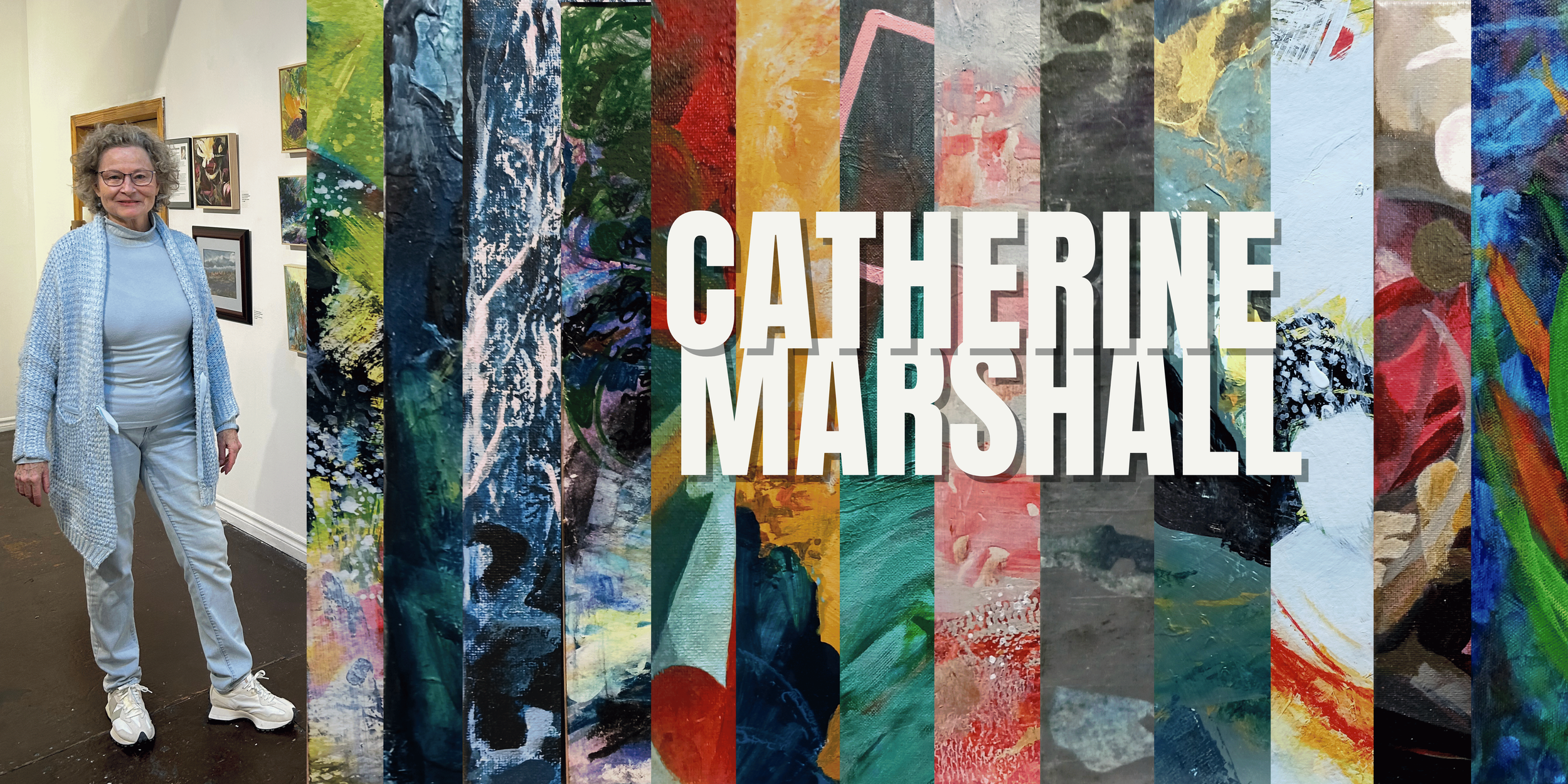
1. In your collection for this show, you can see that in a few pieces, you work evenly with abstract and landscape. How did you find this balance during your creative process?
Currently, I am trying to give space to the inherent character and possibilities of the mediums and marks and tools so I can “draw” (groan) the best from them to express myself. In this way, almost all my paintings start out as pure abstracts. But as I discover the sections that I like and want to keep, they usually speak to me of organic textures and objects. Organic qualities feel akin to connection and appreciation, to depth, warm personal memory, and intrigue. And so, the painting forms, and quite often into an abstract landscape.
2. Do you believe that your previous work in the film industry helped you to trust even more in your artistic intuition for the creation of your pieces?
You bet. I worked (and played) mostly in theatre, actually. I now realize that all my creative pursuits inform each other. The process of allowing yourself to go down through the layers of the expected and into spontaneous and authentic ideas, however crazy-seeming, is the same investigation. And you best accept that you can’t fully control what others see and interpret. That’s their part. An early lesson in this was a theatre exercise. One by one, we were to go on the stage, sit in a chair for 5 minutes, relax, and do nothing in particular. Then our classmates, the audience, could say afterwards what they saw, “the story” they started to imagine just looking at you. Lesson: you might as well relax, “be” you and, in your personal art, create what feels pleasingly right to you!
3. You mentioned that your artistic journey always starts with a “what if?” question. Could you explain to us the importance this has on your creative process?
If I start a painting with “what if I tried this…” then I feel curious, kind of excited because I’m experimenting and letting the outcome be new, unknown. Then I don’t hinder the immediacy of what I’m creating. If I have an exact vision of what I “think” the painting should look like, I’m likely to be disappointed, because the painting will feel non dynamic, rigid. It can’t match the magic of what I think I see in my head! My painting must develop physically! Ideas and inspiration come from all over. I’m happiest playing, being in the moment and trusting my eye and intuition to guide me until that final phase where left brain discernment comes in more. The subject, or composition, emerges from this process and only then can I fine-tune it. Of course, I think that you’re happier surprising yourself when painting realistically also.

1. What/Who was your biggest inspiration when painting the artwork for this show?
My inspiration came from the rhythm of the seasons and the small wonders found within them—flowers in bloom, bees at work, dragonflies hovering, and songbirds that animate our Canadian landscapes. These paintings celebrate the harmony between flora and fauna, and the quiet magic of everyday nature. I’m drawn to capturing fleeting moments of beauty that remind us how interconnected and sustaining these small worlds truly are.
2. Did your previous job as an educator reflect in any way on your paintings?
Yes—indirectly, but profoundly. As a teacher and principal, I learned to look closely at each student’s individuality—their strengths, curiosities, and unique spirit. That same attentiveness now guides my painting. I approach each subject, whether a flower, bird, or landscape, with a sense of discovery and respect for its distinct character. Teaching taught me to see beyond the surface, and painting allows me to celebrate that beauty in visual form.
3. Do you think there’s a difference between when you connect with art at a young age from when you connect later in life, like in your case, when you reconnected with art after retirement?
Yes, absolutely. When I was young, drawing and painting was pure joy and escape—I would lose track of time, much as I do now. But returning to art later in life carries deeper meaning. My passion for creating has intensified; painting now feels essential, both grounding and fulfilling. It has become vital to my well-being. I’m more aware of my “why”—to find peace, to learn endlessly, and to leave a small mark on the world through beauty and colour that might uplift others.
4. What’s the main feeling you want to convey through your artwork for this exhibition?
The world feels increasingly fast, demanding, and uncertain. Through my art, I hope to offer a quiet pause—a moment to breathe and reconnect with beauty. I want viewers to slow down, to notice the gentleness that still surrounds us in nature, and to feel joy, calm, and hope. My paintings are reminders that peace can be found in the simplest moments, if we allow ourselves the time to truly see.

1. What advice would you give to other painters who are learning how to paint by themselves, like you did?
When I first started painting seriously, I made as much work as I could across a wide range of sizes, just to see what my hands and heart were drawn to. Whenever a new technique caught my interest, I gave myself a period of focused exploration, 30 days, 100 days, not as a rigid rule but as a container for deepening. One of my most formative projects was meant to be 100 days of collage, but I ended up immersed in it for over 200. That kind of curiosity-led commitment taught me more than any structured course could. So my advice: follow the spark. And then stay long enough to let it become something meaningful. That’s how you build a practice with depth.
2. Give us an insight into the creation of your artwork for this exhibition. What were the challenges and struggles? What were the gains and compensations?
This series was initially inspired by Josef Albers and his colour interaction studies, but as I worked, it evolved into something much more personal. Each piece became a visual mosaic of identity, an exploration of how we carry all our experiences, passions, and quiet selves within us. The challenge was in the nuance: how much of a tonal shift would evoke emotion without overpowering the composition? When does a small variation speak louder than a saturated hue? The line work also asked me to let go. Early on, I wanted the edges to be clean and controlled, but as the series progressed, I began to see those imperfect lines as records of my own energy. Some were focused and calm, others scattered or quick. And that variation became essential, it mirrored the emotional landscape the work is meant to hold.
3. In your artist statement, you speak about having the concept of a “bird’s eye view” perspective on your paintings. Could you delve deeper into what this means to you? Which art of your collection from this exhibition would you say represents it better?
That aerial view invites us to see life as a layered whole, not just in fragments. So often we get caught in the immediacy of what’s not working, or what needs fixing, and we miss the wider arc of who we are becoming. The bird’s eye view reminds us that each experience, even the ones we set aside or never fully pursued, contributes to our perspective. In this collection, Unvisited Places captures that spirit best. It speaks to the parts of ourselves we’ve shelved or forgotten in the name of productivity. It asks: What beauty might return if we gave ourselves time to wander again? What ideas might surface if we stopped to sketch, to pause, to notice?
4. What comes to your mind when you think of the title of this exhibition, ‘Material Memory’, and how does it resonate with your showcased artwork?
To me, Material Memory is the recognition that every color, every mark, every surface holds a trace of something lived. My work often starts from the body, from emotion, and then moves into material form. In this series, the subtle shifts in hue and the repetition of imperfect lines feel like artifacts of that process. They hold the memory of who I was when I made them. Each piece in Borders Not Limits is both structure and feeling, precision and residue. They are built layer by layer, and each decision, even the ones that were painted over, still lives in the final work. That, to me, is material memory: not just what is visible, but what’s been felt, shaped, erased, and remembered.
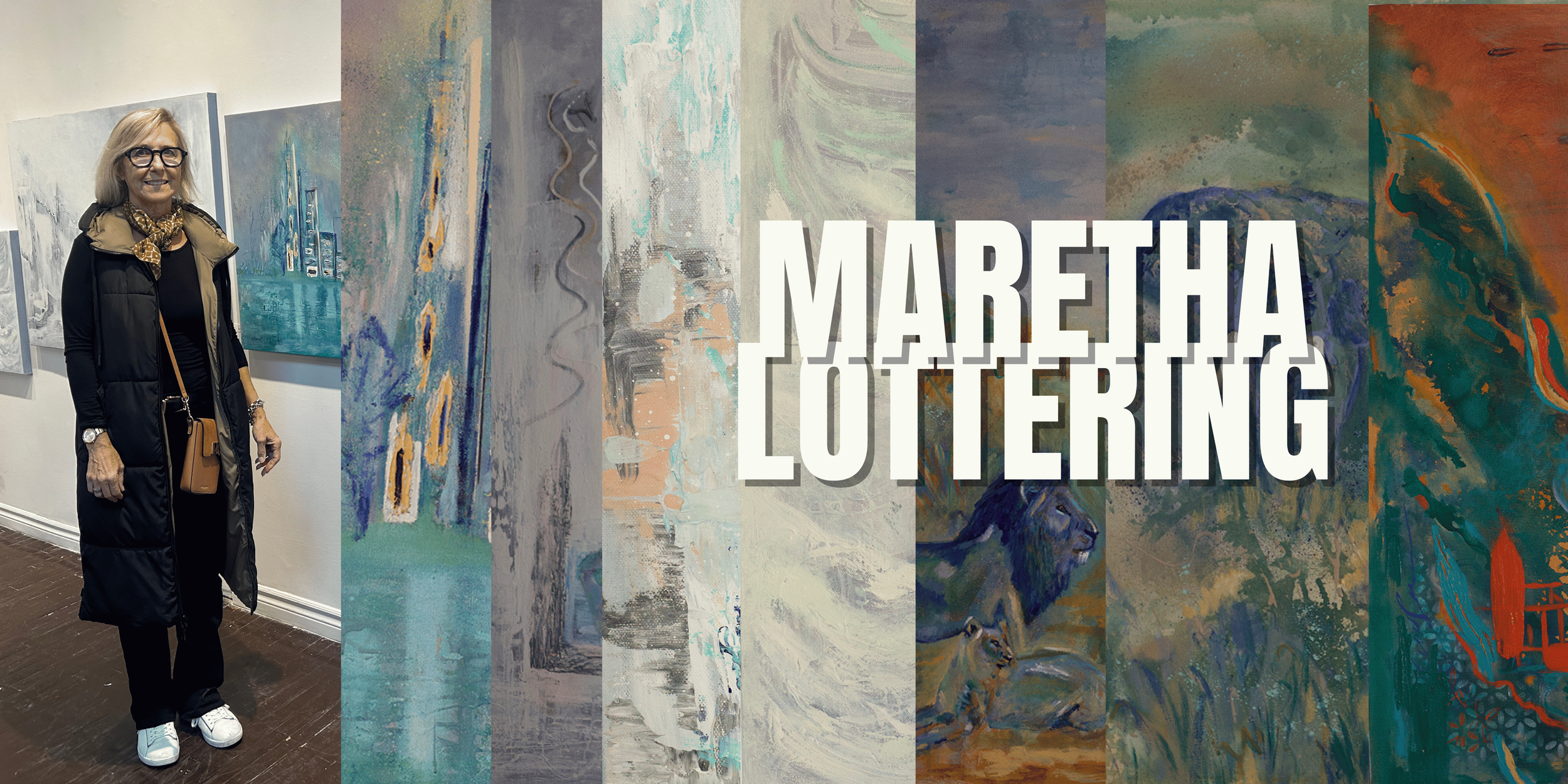
1. You mentioned that the series in this exhibit is a representation of your journey from South Africa to Canada. Could you give a little walkthrough on your process to create these pieces?
Moving from South Africa to Canada had its challenges, but through this series, I've been able to reconnect with the positive memories found in nature. My creative process involves mixed media. I use acrylics and incorporate inks and markers. I typically block in my main subject before moving on to oils, which I use to refine and complete the piece. I love blending abstract elements with realism.
2. Did your previous experience in photography help you in any way to create your pieces? Could you give us a little background on your exchange from the cameras to the paintbrush?
Photography captures real-world moments and perspectives that are definitely helpful in the artistic process. Both mediums explore light, form and composition to tell stories and convey meaning visually. Photography has itself evolved as an art form - blending technical skill with artistic vision. I find that Visual Art allows me to be more creative. I will always use my camera though!
3. Given your experience now, what advice would you give to your younger self who used to illustrate her handwritten books?
Advice that I would give my younger self? Don't hesitate. Own your dreams and take responsibility for bringing them to life. Keep creating and stay true to your passion.

1. Your art in this show uses different types of materials. How was your process to find your art style?
The pieces in this show began with the Audrey Hepburn piece which started out as a single medium acrylic painting. By chance at an estate sale I came across a collection of movie memorabilia from Breakfast at Tiffany’s. The daughter of the original owner explained to me the meaning that the items had to her mother. This inspired me to include elements from that collection (images, script, set photos) into my piece. This then lead me to include other media (oil pastel), images, and typography, to further develop the depth of the piece.
2. What did you learn from your other experiences that inspired you to create art?
The greatest lesson that I’ve learned is that a piece is never finished. Even when it is hung in a gallery or in someone’s home, the meaning and story that people add to the piece continues to give the work life.
3. You mentioned that your passion for pop culture and vintage styles made you create one-of-a-kind artworks. Would you say that using these important figures in your art creates a certain ‘Material Memory’ for you?
The subject of my current works are idols and the importance that we put on them in our lives. These images give the viewer an opportunity to pause and remember when - when they heard a song, saw a movie, or viewed a piece of art - and in that way the art itself revives a memory in you. That memory carries with it intense feelings, something we hear, or see, or smell. The art becomes the material of your memory.
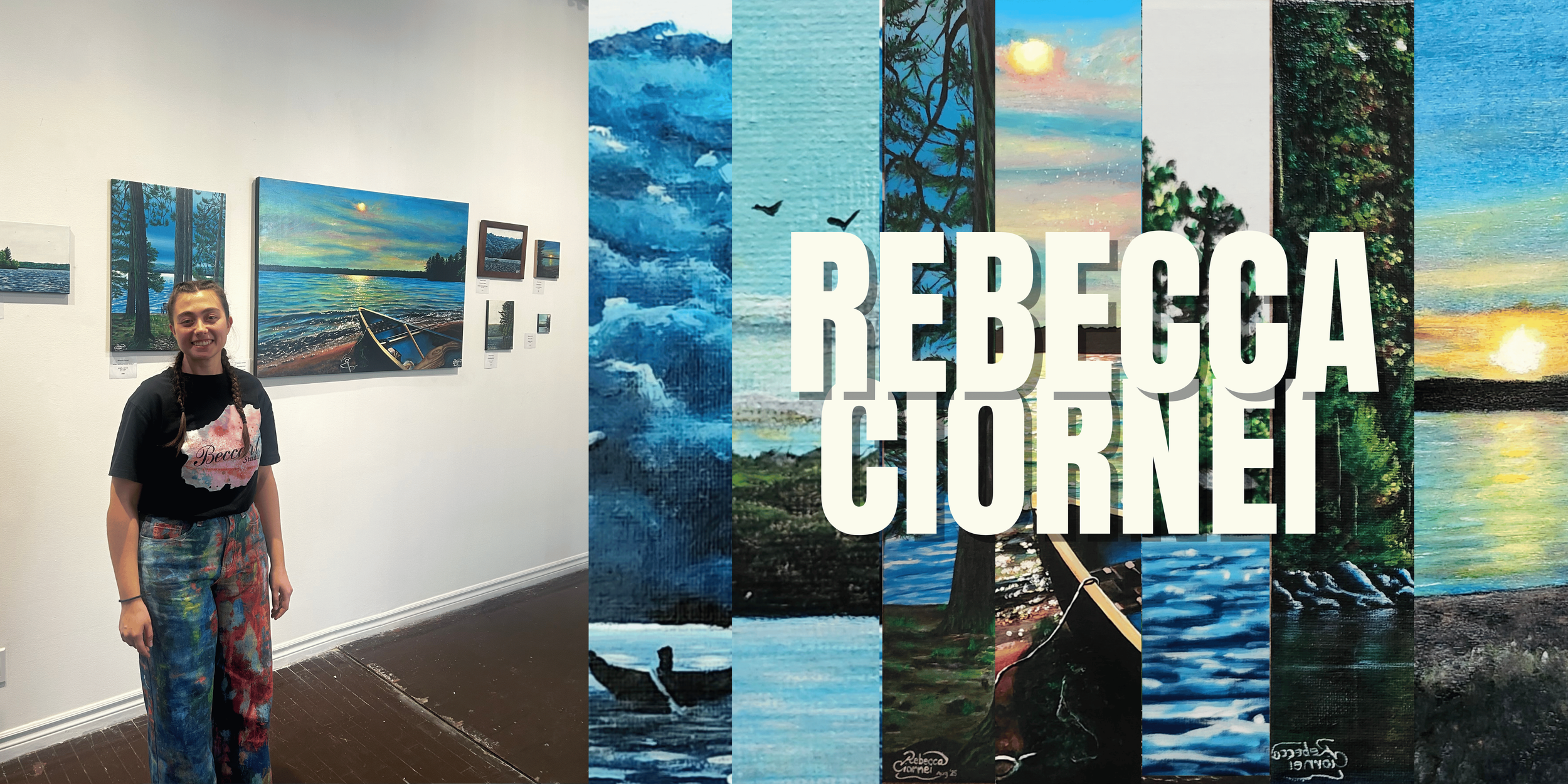
1. Would you say that the title, “Material Memory”, resonates with your art and painting style?
Yes, the title of this exhibit very much resonates with my artwork, as well as with my painting style. Most of the time, I will notice a beautiful nature scene that I would snap a picture of with my phone camera so that I can save it for later and perhaps paint a landscape piece inspired by my photo. The issue, however, would be that the phone cameras do not always capture what the human eye perceives in real time. I believe the human eye is so powerful that it is able to capture the look of reality and to attach a specific memory to that beauty it sees. For me, bright colours is how I view life all around me. Colors define the beauty of any moment in time that I experience or have kept in my many memories of life. You will see that I incorporate more saturation and vibrancy to my landscape paintings, trying my best to capture the real moment as best as I can on the canvas. I want to show others what beauty and brilliancy I have seen and experienced, that they may be inspired to live life, keeping their memories of adventures alive and bright as well.
2. Would you say that avoiding the use of a palette makes your experience of painting more interesting, as you have the uncertainty of the final result?
Absolutely! For me, the idea of ditching the palette arose first from the conclusion that I was wasting good paint. I have worked with acrylics, so by the time I continued painting a piece later on in the day or the next day, the paint I mixed together would already dry up. It became frustrating, and I wasn’t about to spend money and time on specific art materials or methods to keep the paint remaining wet. So I decided early in my painting journey to get rid of the palette, and to just apply paint right onto the canvas. Ever since I’ve made this change in my painting process, I have found that I not only save a lot of usable paint, but I also trained myself as an artist to learn what specific colour combinations I get from mixing different colors without the worry of messing up my canvas. That’s how I am as a person in general as well as in my art: make the best of what I have, and I learn to adapt and grow from my skills every time. Yes, there is most definitely the uncertainty of not knowing how my painting will turn out from using this method, but with every masterpiece I have created, my art has become even better than my initial vision of the painting.
3. What materials/methods do you use to create the contrast and details of your paintings? What’s the process?
I am inspired by the Dutch painter Rembrandt for his use of highlights that pop out of some of his darker works of art. I work in a similar way. I paint from dark to light, I paint with bright and fun colors, and then I will add the highlights towards the end to bring to life the subjects or focal points of my paintings. In terms of creating a realistic landscape painting, I work sections at a time, from the farthest point in a scenery painting to the closest point of perception. With each section I work on, it looks like I’m painting weirdly-colored lines and shapes, but once I take a step further back, I see the bigger picture. I see and understand how every little line and dot and shape pieced together to become a landscape painting brought to life! The other unique touch I add to some of my landscape paintings is a section of clouds where I will incorporate either a bright sun shining on the waters, or a silver lining behind the clouds – demonstrating a symbol of hope among a world that appears dark and depressing, but also colorful and alive if you look closer. I want to speak of that hope and comfort and that good news to people through my art, which is why I incorporate a lot of these methods into a masterpiece I have experienced in my life.
Come meet all these artists in person at our Opening Reception on November 13th, from 6 pm to 9 pm.
Visit Material Memory, from November 4th to December 16th, only at Twist Gallery.
Step into the memory.
You don’t wanna miss it!

Beyond Pumpkins: What’s Trending in Fall Decor This Year
Autumn arrived and decided it's time to shake things up! This year, fall is redefining the concept of cozy! Traditional pumpkins and plaid aren't totally gone, but they’re making room for unexpected colour pops, rich textures, and a healthy dose of vintage flair. The vibe is to create spaces that feel grounded, serene, and story-filled. Here’s everything you need to know to be on trend this season:
Autumn arrived and decided it's time to shake things up! This year, fall is redefining the concept of cozy! Traditional pumpkins and plaid aren't totally gone, but they’re making room for unexpected colour pops, rich textures, and a healthy dose of vintage flair. The vibe is to create spaces that feel grounded, serene, and story-filled. Here’s everything you need to know to be on trend this season:
Reference: Pinterest
Earthy Colours
Say goodbye to bright orange and hello to sun-baked terracotta, forest green, chocolate browns and yellow pastels, softened with creamy stone and warm whites. These tones give you that breeze of fresh air, so you can slow down and savour this season.
Decor tips:
★ Terracotta and Cream: A traditional but sophisticated combo.
★ Plum and Pastel Yellow: A whimsical and elegant combo.
★ Verdigris and Moss Green: A grounded and nature-connected combo.
★ Violet and orange: A pop of the unexpected colour on opposite sides of the palette combo.

Reference: Pinterest
Vintage Maximalism
From new and modern to old and vintage, this fall leans into hand-painted furniture, velvet sofas, mantels, heirloom ceramics, and most importantly, thrifted vintage decor. The real trend is to tell stories through your furniture, make the house your own and no one else's. Bring that cozy nostalgia and tell a story in every corner.
This is also the perfect time to turn decorating into a fun, creative moment with friends and family. Why not host a cozy candle painting or vase-painting hangout? Set the mood with warm drinks, fall playlists, and a spread of art supplies. Whether it’s glass, candle, or vase painting, pumpkin decorating, or personalizing thrifted finds, these DIY get-togethers are a charming way to connect, create, and celebrate the season.
Bonus: everyone leaves with a handmade piece of fall decor they’ll actually want to keep!!
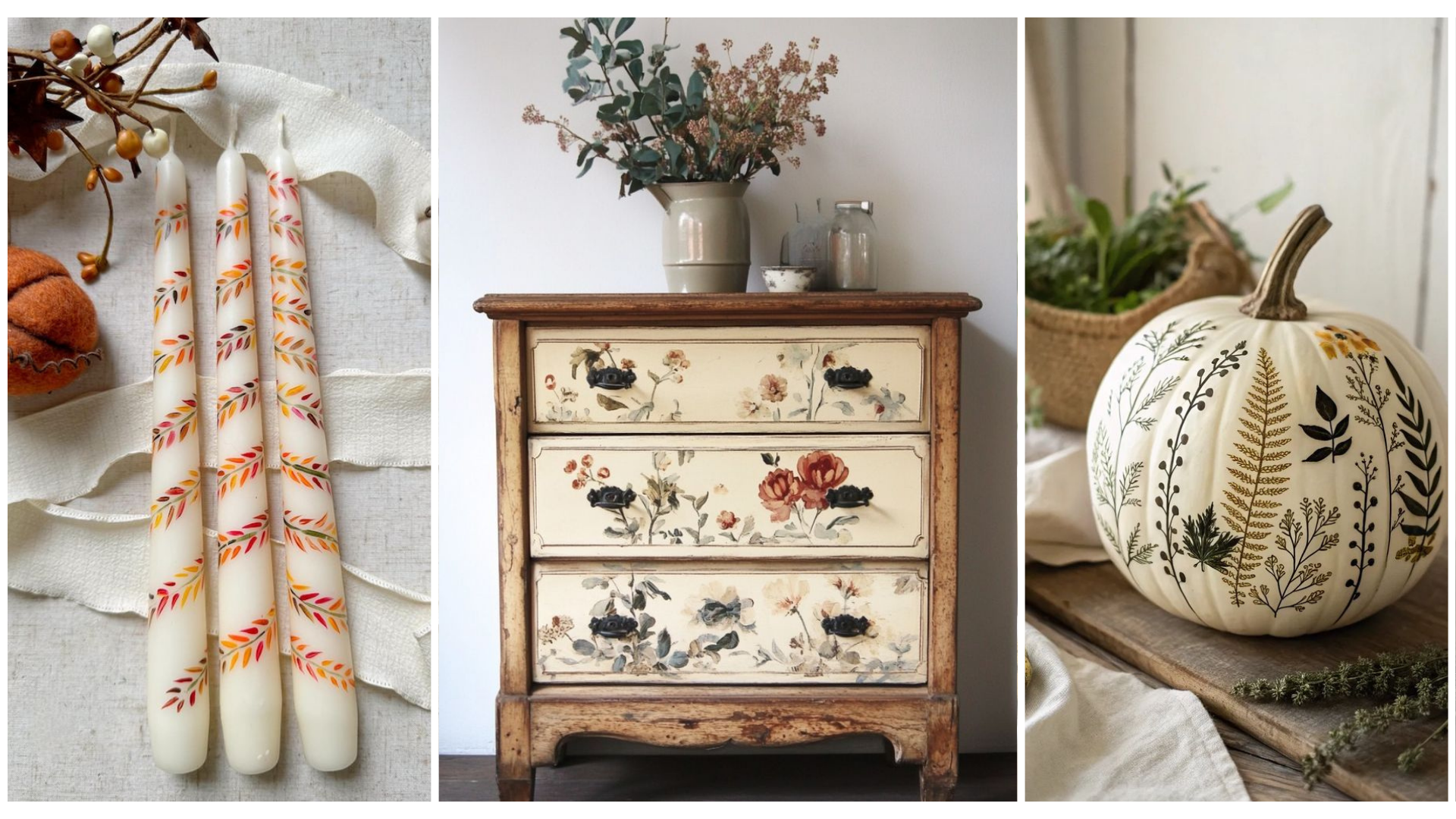
Reference: Pinterest
Moodscaping and Nature
Natural decor isn’t just rustic, it’s quietly luxurious. Add mossy centrepieces, lichen-covered branches in ceramic vases, brass candleholders, or sprinkle small acorns into tablescapes and natural woven baskets for visual warmth, subtle texture and seasonal grounding. This look pairs beautifully with soft lighting and textural throws.

Reference: Pinterest
Angular Minimalism
Rather than overall minimal setups, go bold on the small details. Think layered art, stacked books, metallic finishes, geometric statement tiles, colourful artwork, and bold brass accents. This style keeps things visually striking without feeling overwhelming.
In this context, here at Twist Gallery, you may find an artwork that matches your fall decor vibe!

Reference: Pinterest and Twist Gallery
Fall 2025 decor is all about balance: bold yet grounded, vintage yet fresh, cozy yet dramatic. Whether you're updating a full room or just refreshing a shelf, embrace these trends to create a space that feels both timeless and on-trend.
📸 Be sure to follow us on social media at @TwistGallery and keep posted on the blog for more posts like this!

Inside the Minds of Chaos.Curated. : Meet the artists
At Twist Gallery, Chaos. Curated. our September - October 2025 exhibition puts this question at its core. Blending fresh perspective and seasoned artists with their emotion and identity, transforming disorder into something meaningful with every brushstroke.
An exhibit exploring disorder, emotion, and transformation.
What does chaos look like in the eyes of an artist?
At Twist Gallery, Chaos. Curated. our September - October 2025 exhibition puts this question at its core. Blending fresh perspective and seasoned artists with their emotion and identity, transforming disorder into something meaningful with every brushstroke.

Chaos.Curated opens this fall at Twist Gallery. Don’t miss it.


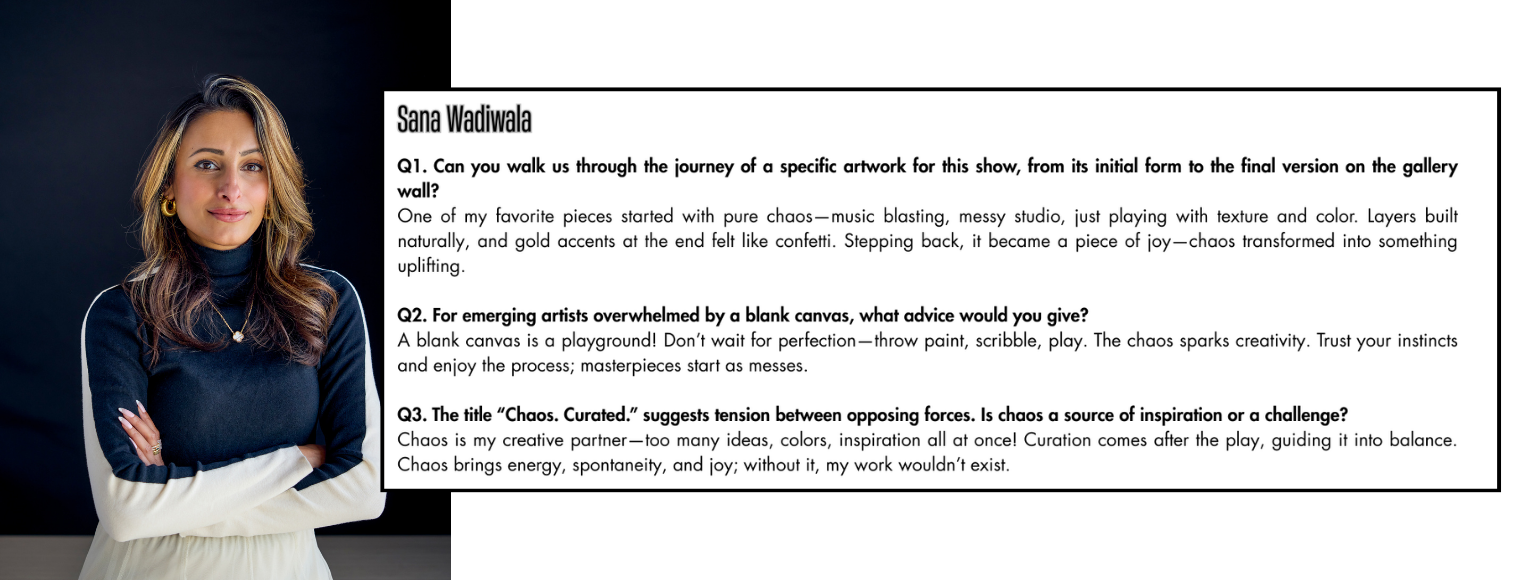
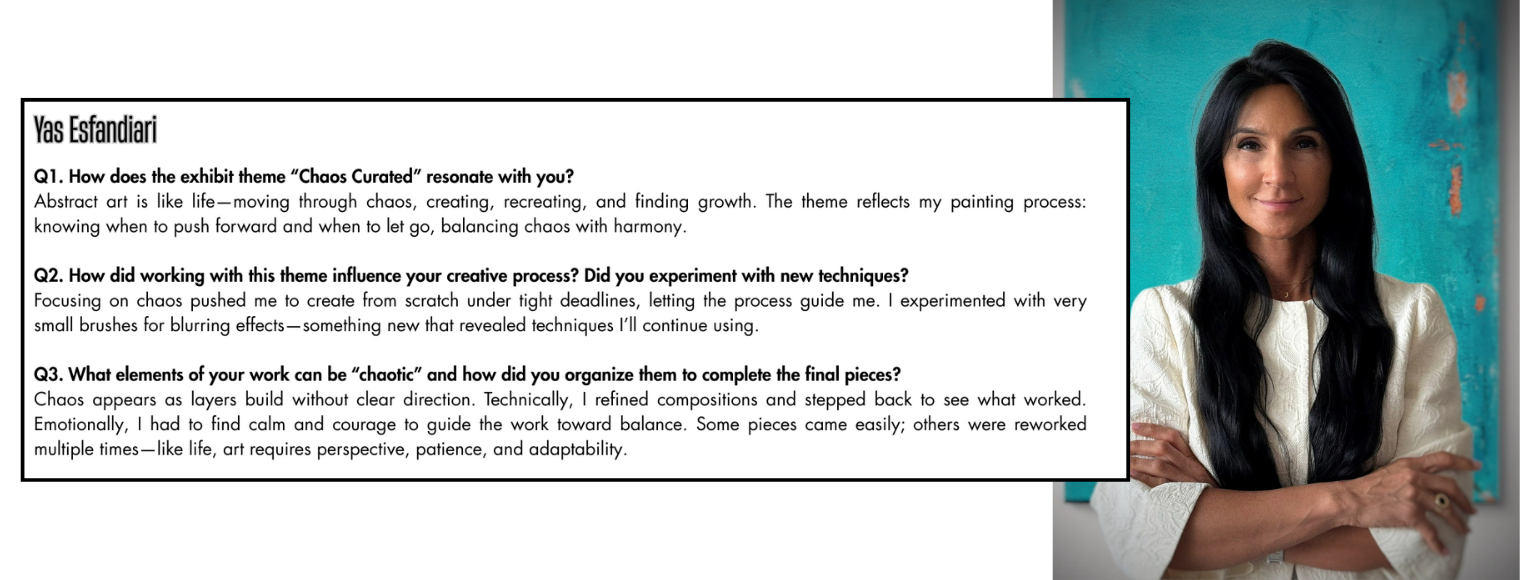
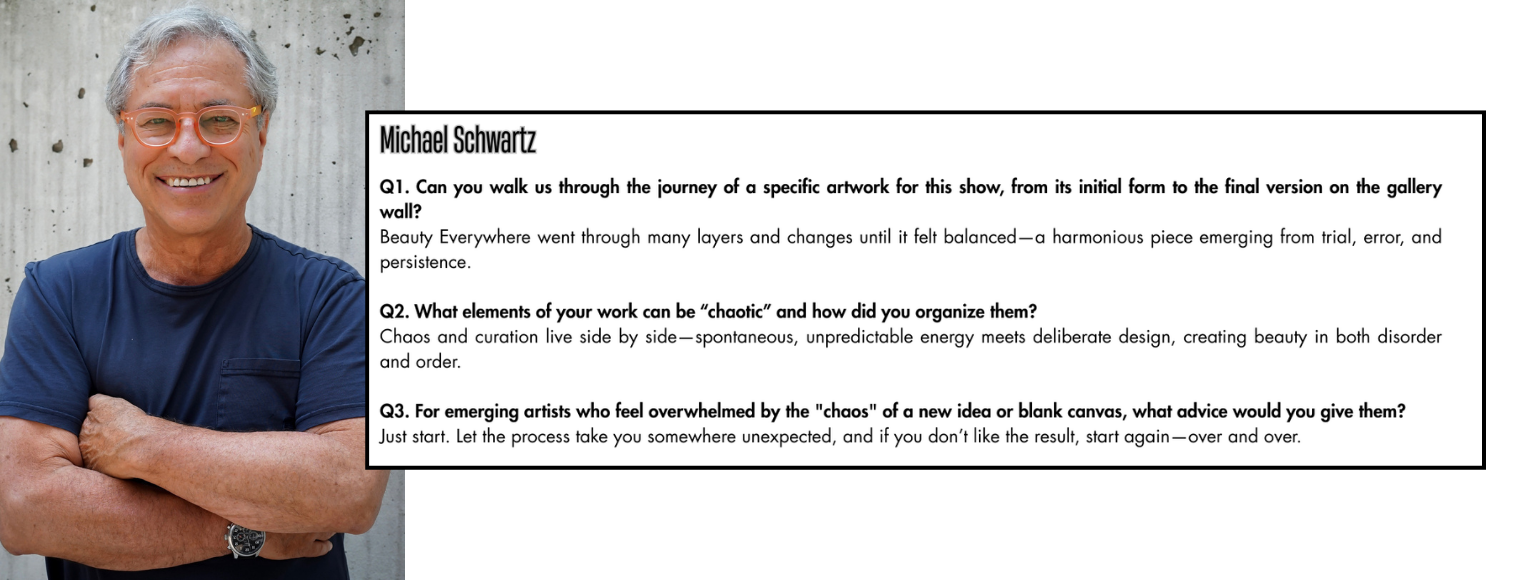
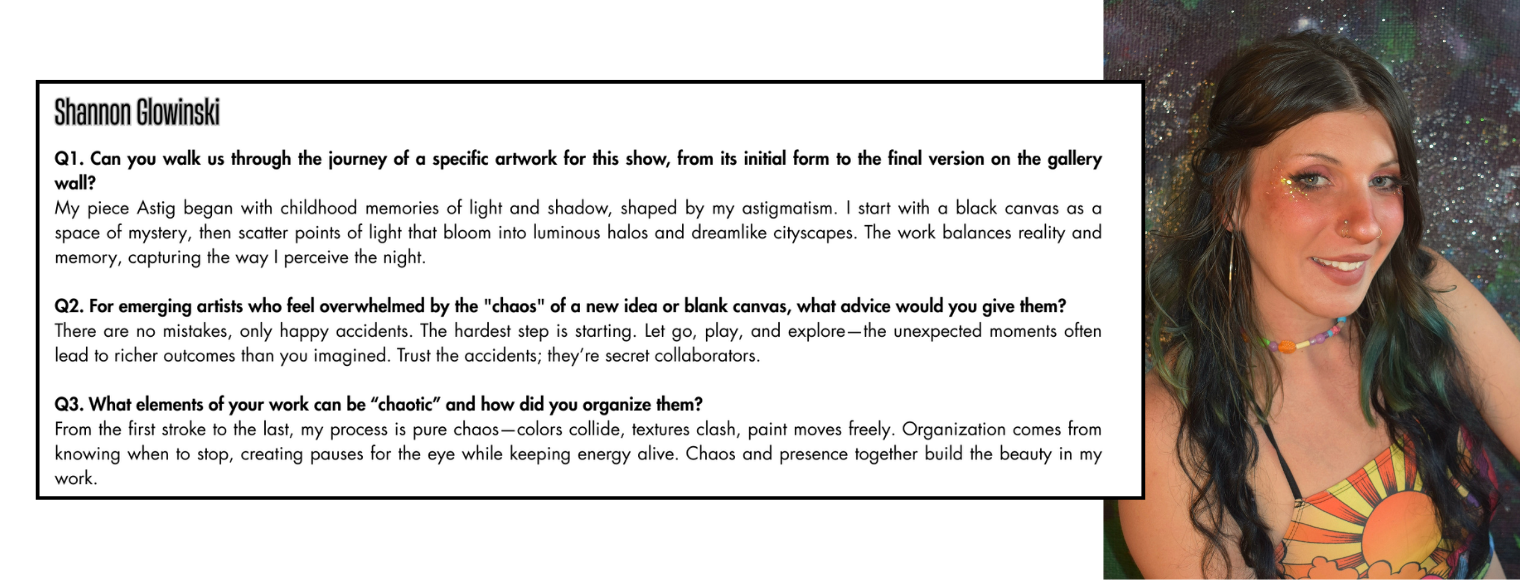
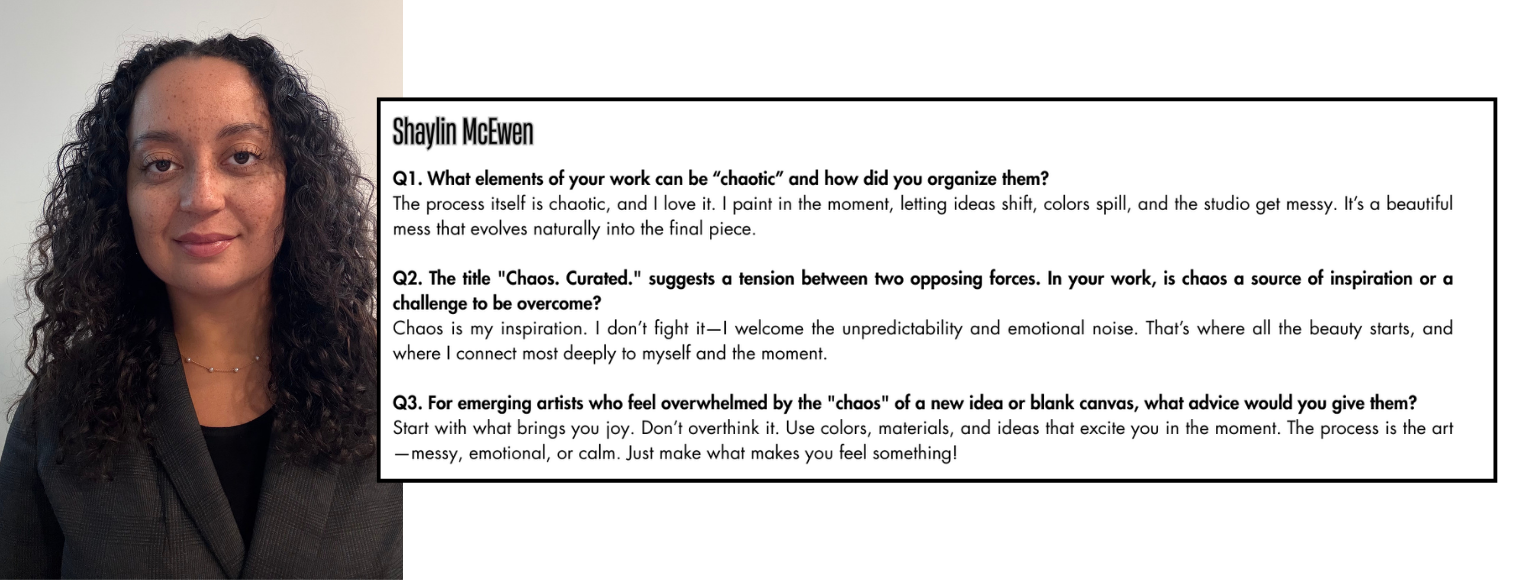
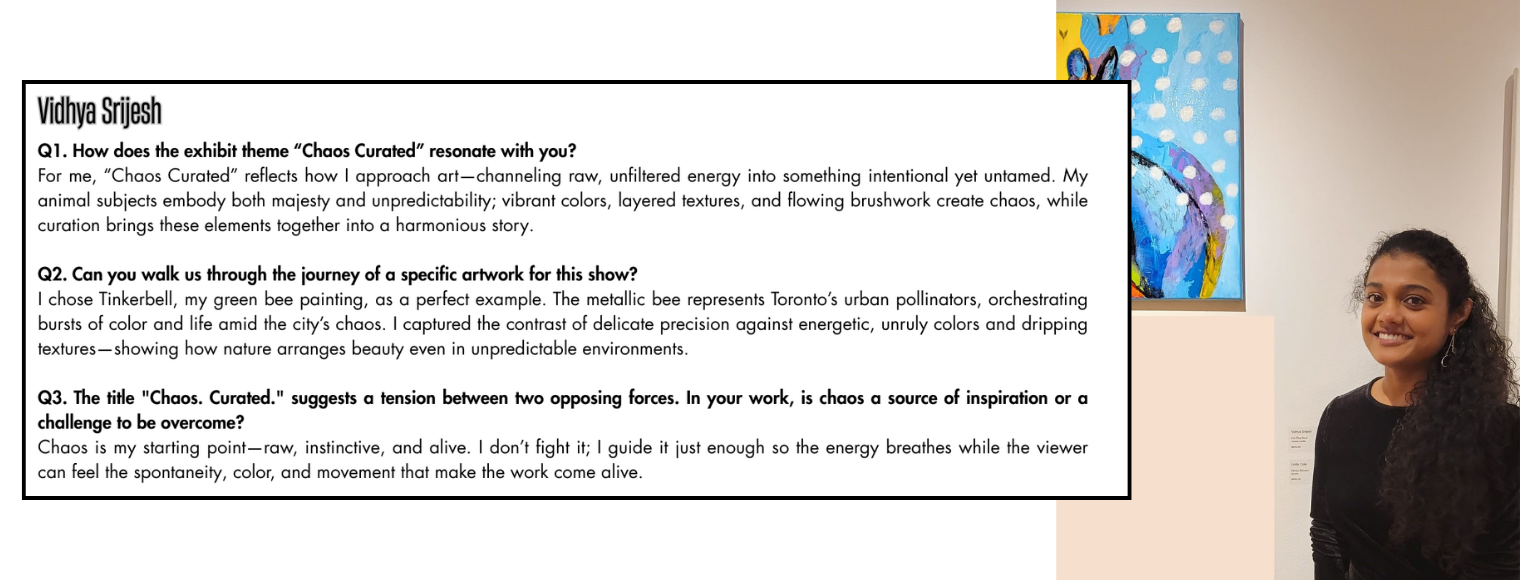

Art Meets Street: Twist Gallery x Ossington Fest
Toronto's Ossington Fest is bringing the heat for a one day event of music, food, art, market and wrestling matches. Twist Gallery, steps away from the action, invites festival-goers to detour into a curated world of art. Pair your street fest adventure with an artsy stop! Make the most of your Ossington Fest weekend – gallery style:
First Stop: Twist Gallery
Toronto's Ossington Fest is bringing the heat for a one day event of music, food, art, market and wrestling matches. Twist Gallery, steps away from the action, invites festival-goers to detour into a curated world of art. Pair your street fest adventure with an artsy stop! Make the most of your Ossington Fest weekend – gallery style:
First Stop: Twist Gallery

Before diving into the festival crowds, take a breath and start your day at Twist Gallery. Our current exhibition, Whispers of Nature (on view until August 30), offers a quick escape from the city buzz.
📍 Just a short walk from Ossington Ave. at 1100 Queen Street West
Then, Hit the Fest
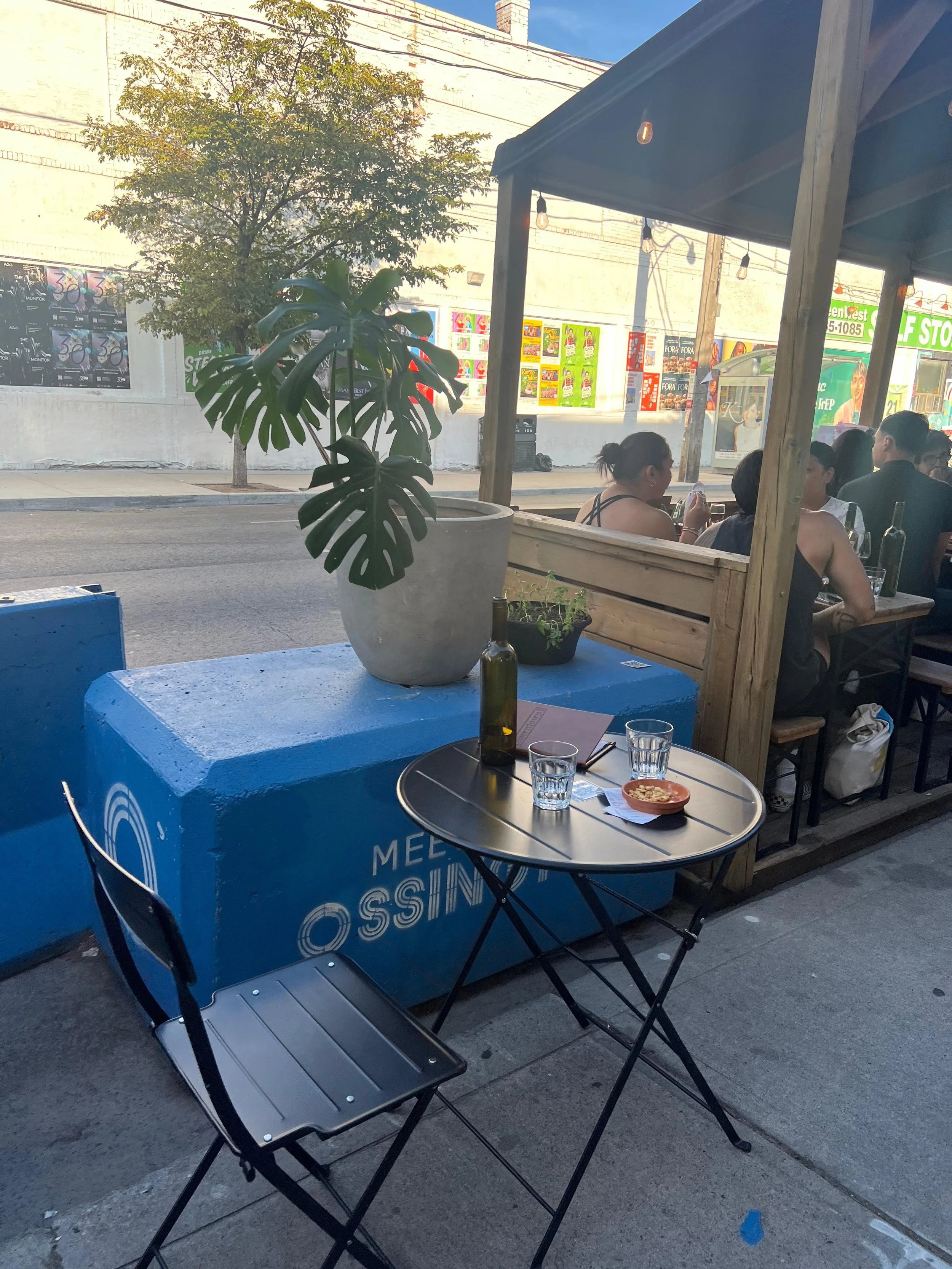
After you've wandered the peaceful vibes of the exhibit, head over to the Ossington Fest for live music, dancing, wrestling, patio hopping, artisan vendors, and all kinds of local flavour. It’s the perfect contrast to the meditative tone of the gallery — a full day of culture, connection, and community.
📸 Don’t Forget to Tag Us!
Tag us in your stories at @twistgallery.
We’ll be sharing our favorite festival-day visitor moments all weekend long!

🎨One-Day Fun + Artsy Itinerary: Queen Street West, Toronto
Where murals, matcha, music & magic collide
Looking to spend a full day soaking up the best of Toronto’s creative energy? Head to Queen Street West, the city’s undisputed hub of art, fashion, and good vibes. Whether you're a tourist, local, or somewhere in between, this one-day itinerary blends cozy corners, bold color, and unexpected finds for a perfectly artsy adventure.
Where murals, matcha, music & magic collide
Looking to spend a full day soaking up the best of Toronto’s creative energy? Head to Queen Street West, the city’s undisputed hub of art, fashion, and good vibes. Whether you're a tourist, local, or somewhere in between, this one-day itinerary blends cozy corners, bold color, and unexpected finds for a perfectly artsy adventure.
☕ 10:00 AM – Start with a Sip
Go-to Spot: Castle Coal or Jimmy’s Coffee
Fuel your day with a smooth latte or matcha. Sit near a sunny window and do a little people-watching — this street is full of personality.

11:00 AM – Immerse Yourself in Art
Must-Visit: Twist Gallery (1100 Queen St West)
Step into a quiet moment of reflection and creativity. Our current exhibit, Whispers of Nature, is all about calming tones and organic textures, the perfect reset before diving into the buzz of Queen West.
📸 Pro Tip: Snap a shot of your favorite piece and tag @twistgallery in Instagram.

12:00 PM – Mural Hunt & Photo Op 🎨
Wander east and let the city become your gallery. Queen West is famous for its murals and graffiti alleys, look for Graffiti Alley (just south of Queen St near Spadina) or stumble upon colorful surprises in tucked-away laneways.

1:00 PM – Lunch Break: Time to Eat!
Pick: Bar Poet
This dreamy hidden pizza-and-cocktail bar feels like a garden temple crossed with a disco. See the pink neon glow, stay for the truffle honey pizza and spritz.

2:00 PM – Vintage, Vinyl & Artsy Finds
Pop into:
Public Butter for vintage fashion
Hanji Gifts and Easy Tiger for artsy gifts
Rotate This for classic vinyl gems
You never know what you’ll discover.

3:30 PM – Chill at Trinity Bellwoods Park
Grab a cold drink or ice cream and find your patch of shade under the trees. Perfect for reading, sketching, people-watching, or catching up with friends.
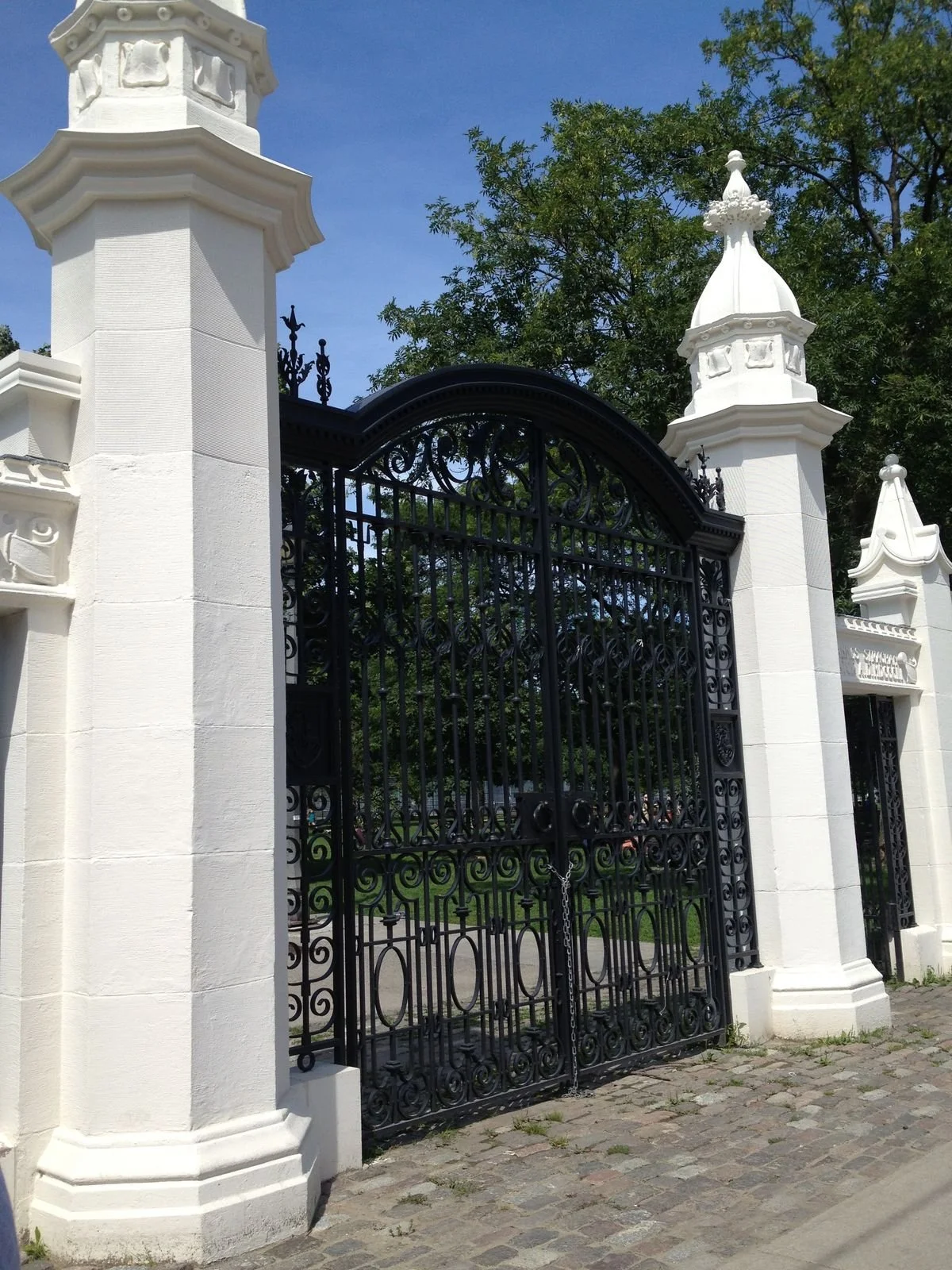
5:00 PM – Sweet Treat Stop
Head over to Bang Bang Ice Cream or Andrea’s cookies for a sugar fix that doubles as Instagram content.


6:30 PM – Wrap it Up with Music or More Art
Catch a live set at The Drake Underground or The Garrison, or swing back to Twist Gallery if there’s an opening reception or art event. The Queen West vibe never really stops and neither should you.

Make it Yours
Whether you're in the mood to reflect, shop, snack, or dance, Queen Street West offers the perfect day blend of playful creativity and big-city charm.
Ready to start with an art-filled day?
Plan your visit to Twist Gallery and let the rest unfold.

Toronto Wedding Photography Spots That Look Like Art Prints
Choosing the right location for your wedding or engagement session can transform your memories into sunning works of art. Toronto is full of natural beauty and striking architecture that can make your photos look like curated art prints. Whether you love soft, romantic light or bold, urban backdrops, here are some of the city’s most unforgettable spots for capturing timeless moments.
Choosing the right location for your wedding or engagement session can transform your memories into sunning works of art. Toronto is full of natural beauty and striking architecture that can make your photos look like curated art prints. Whether you love soft, romantic light or bold, urban backdrops, here are some of the city’s most unforgettable spots for capturing timeless moments.
1.The ROM’s Crystal Facade

The Crystal Façade of the Royal Ontario Museum is a beautiful, modern structure with dramatic angles and reflective glass. It makes for a unique and contemporary atmosphere for couples wanting a bold shoot. The light plays beautifully in and around the structure with dynamic reflections and bold silhouettes, particularly during golden hour.
Tip: Late afternoons provide the most advantageous natural light. Plus the lovely artistic staircases within the museum makes for some unique shots.
2. Scarborough Bluffs

If you're envisioning romantic and airy scenes in nature, the Scarborough Bluffs does not disappoint with tourism-style towering cliffs and good views of Lake Ontario. This picturesque location can provide soft glowing light in the early morning and at sunset, making it the perfect backdrop for peaceful fine art portraits.
Tip: Always know the limitations of the cliff edges, and always check park regulations before your visit.
3. Allan Gardens Conservatory

Step into a vintage glasshouse with a lushness of green and bright polarising light, when you are surrounded by tropical foliage and original iron works, you have an enchanting timeless sense of intimacy anywhere for soft, elegant portraits.
Tip: Visit on weekdays to avoid crowds and get uninterrupted photo sessions.
4. Graffiti Alley

Graffiti Alley is a treasure trove of urban art, perfect for couples after some vivid, colorful energy. This street art gallery, in-fact ever-changing, screams colors and stunning backdrops teeming with character and attitude that will add depth to your photos.
Tip: Go in the day for the best colors, and early morning or weekdays will help you escape the crowds too.
5. The Aga Khan Museum & Garden
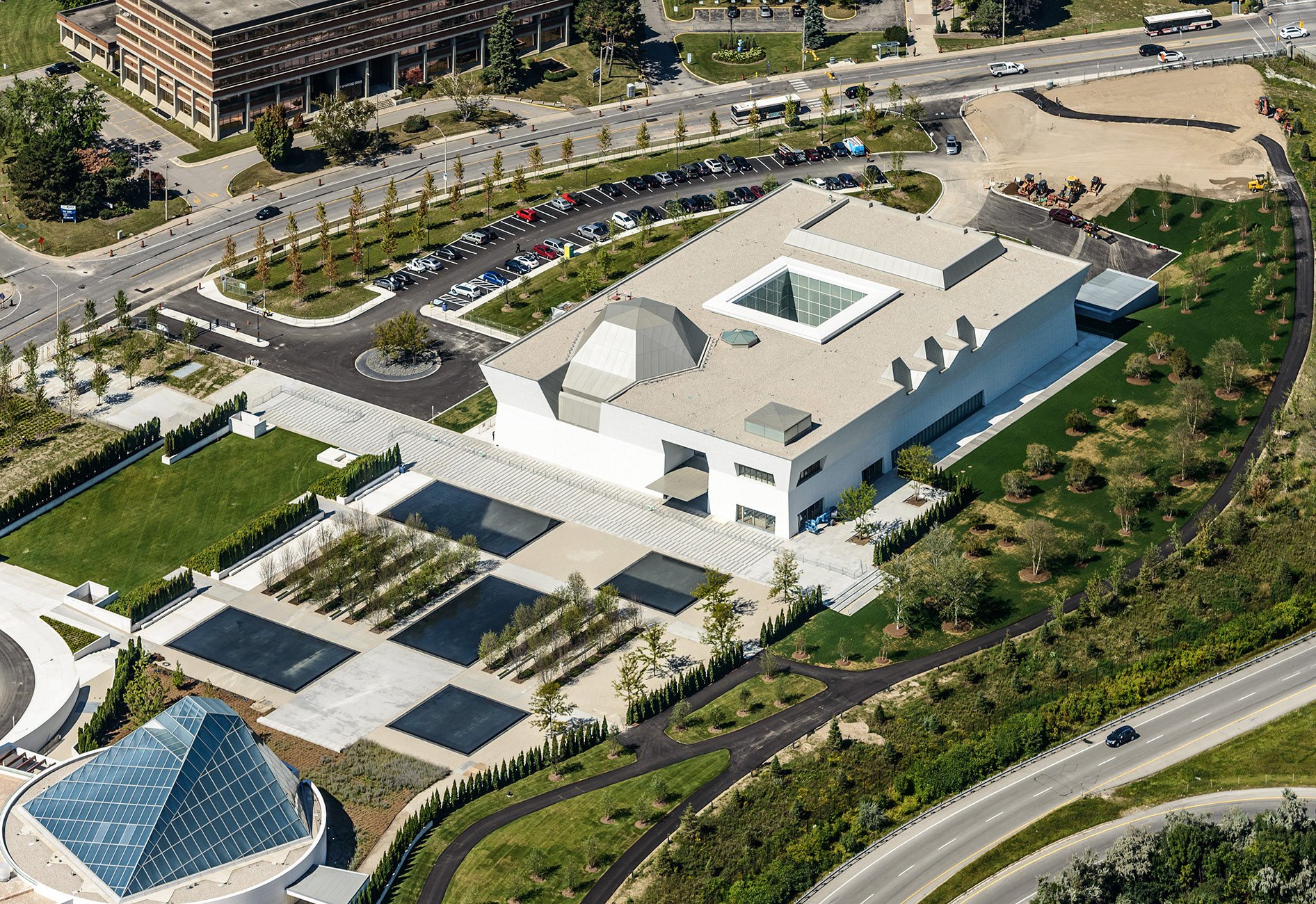
The Aga Khan Museum provides a space that is both peaceful and also visually appealing with its minimalistic style and tranquil gardens. They have a wonderful light and shadow relationship on the white stone surfaces of the museum, making it a tasteful and artful experience.
Tip: As you photograph, take advantage of the garden paths and reflect/bring attention to the reflecting pools to provide depth and peace to your images.
6. The Distillery District

Toronto’s Distillery District is a photographer’s dream for wedding photos that feel like fine art prints. With its cobblestone streets, Victorian-era brick buildings, and rustic charm, this historic area offers a timeless backdrop that blends industrial elegance with romantic vibes. It creates a canvas that elevates every shot and makes it frame worthy.
Tip: Schedule your shoot during the golden hour, right before sunset - for warm, glowing light that enhances the district’s rustic textures and turns your photos into ethereal masterpieces for a modern twist.
7. Harbourfront at Dusk

Harbourfront provides terrific lake views and Toronto city skyline lit in a gorgeous golden light. When dusk arrives and the city lights begin to glimmer, it adds a cinematic, romantic feel to your portraits.
Tip: Consider bringing a tripod or stabilizer for shooting in low-light situations and explore shooting spots in the area near Queens Quay that allow for unobstructed views.
8. Evergreen Brick Works

Evergreen Brick Works has a combination of reclaimed brick buildings along scenic, forested trails for couples that want both rustic industrial features and natural beauty. This is a great venue for photos in an editorial-style that focuses on rich textures.
Tip: utilize both indoor market areas and outdoor trails so you can have many different backdrops.
9. TIFF Bell Lightbox Rooftop

The rooftop at TIFF Bell Lightbox boasts stunning views of the city skyline, providing a sleek and cinematic background for your photos. This space is a great option for couples who seek an iconic Toronto feel, with dramatic backdrop opportunities.
Tip: Book rooftop access ahead of time and try to plan your shoot during sunset for the best light.
Final Thoughts
Toronto has so many different backdrops for couples looking for wedding and engagement images that feel like art. With the massive urban structures, cool streets, parks, nature reserves, and more, Toronto's iconic spots can frame your love story in many different moods and styles.
Since you just wrapped your photo session, you should also think about creating fine art prints from your portrait collections. We recommend using local Toronto printers and framers to create wedding memories with quality integrity while also supporting and showcasing Toronto's creative community.
Have a favorite spot in Toronto to capture your photos? Or maybe you have questions regarding locations for portraits you have in mind? Leave a comment below — we would love to hear from you!
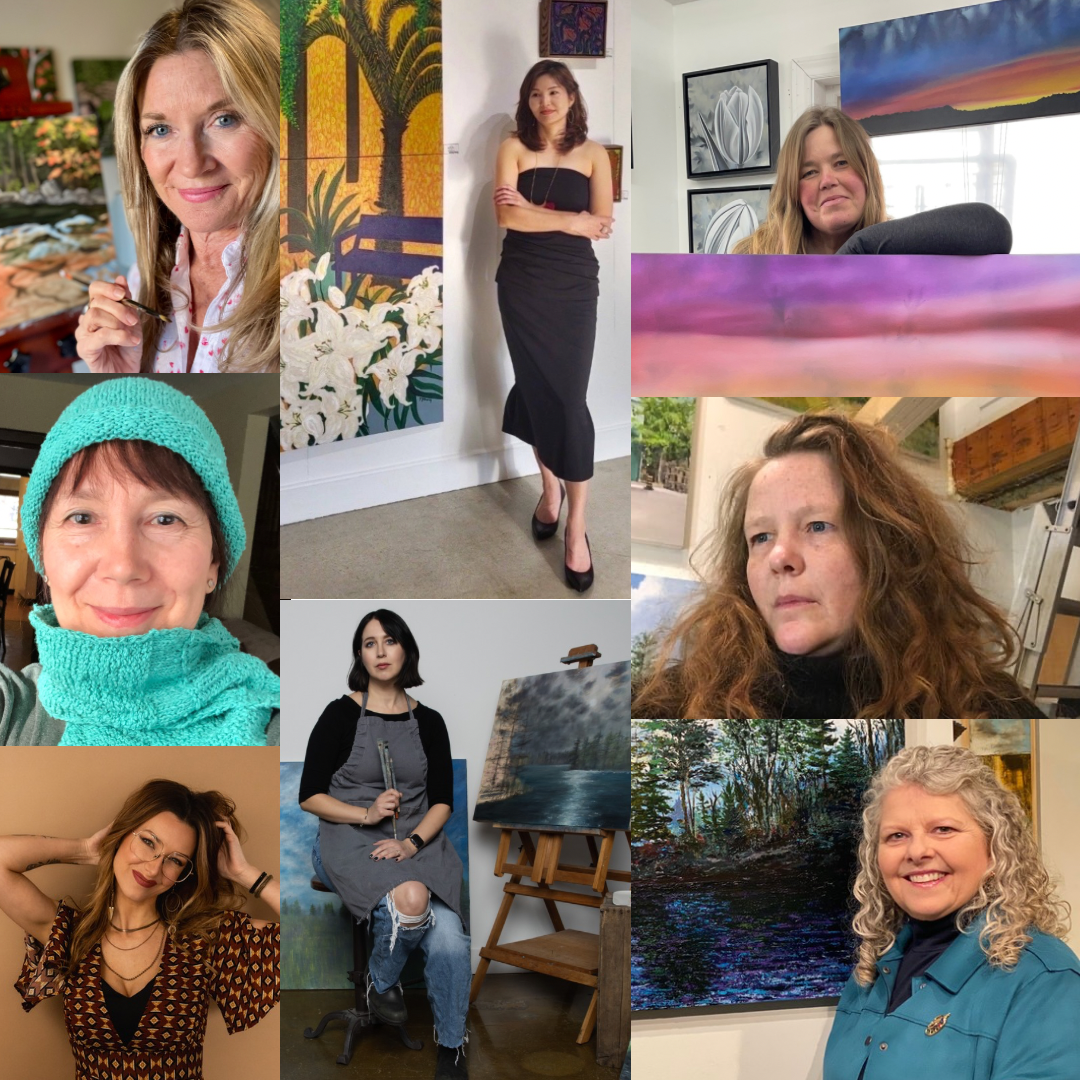
‘Whispers of Nature’ Get to know the artists
As we welcome you into our newest naturescape exhibit, Whispers of Nature, we invite you to connect with the artists whose work captures the subtle beauty and quiet strength of the natural world.
In this blog, you'll hear directly from the artists as they reflect on their inspirations, creative processes, and the delicate ways nature finds its voice through their art. Each response offers a window into their world and a deeper understanding of the whispers that shaped their work.
As we welcome you into our newest naturescape exhibit, Whispers of Nature, we invite you to connect with the artists whose work captures the subtle beauty and quiet strength of the natural world.
In this blog, you'll hear directly from the artists as they reflect on their inspirations, creative processes, and the delicate ways nature finds its voice through their art. Each response offers a window into their world and a deeper understanding of the whispers that shaped their work.
Joanne LaMantia
1. What part of nature do you return to again and again?
Whether I’m walking through a city, forest or around the lake, I’m endlessly drawn to the majestic presence of trees and water. In the play of light and colour, I sense a quiet movement that captivates me. The bark of a tree transforms into a kaleidoscope of texture and hues and water holds my gaze with its ever-shifting rhythm and flow. Both elements continually inspire my work.
2. Do you think of your art as a kind of landscape?
My art is rooted in representational landscapes, but I like to weave in a touch of whimsy through unexpected colour choices or texture that breathe life into each scene. It invites the viewer to experience the familiar in a new way. I aim to strike a balance between the real and the imagined, encouraging a deeper connection with the landscape that inspires me.
3. How does time shape your pieces?
My art seeks to transcend time, capturing the endless beauty of the Canadian landscape - a beauty that deepens over time, less marked by nature's fury, and more defined by its incredible resilience. These moments feel suspended, neither in the past or future, but fully present.

Leah Olsen-Kent
1. What natural element or moment sparked this body of work?
I am deeply inspired by the gorgeous skies of Ontario, especially sunsets from Northern Ontario, where the colours just feel that much more intense against the silhouetted landscape. This body of work is born from that inspiration and those memories that are rooted within.
2. Do you create in silence, or do certain sounds guide your process?
I love painting outdoors. I spend my summers camping and painting in my outdoor studio, so I embrace and enjoy the sounds of nature, it fills me with endless inspiration. When I am not painting outdoors, I do often create in silence, letting the memories of the places I am painting take hold.
3. What does “quiet” in nature look like to you and how do you express it?
“Quiet” in nature are the calm moments experienced while taking in the inspiration, the sunsets, the silhouetted trees and the moments that sometimes go unnoticed by many.

Brenda LaRose
1. What does working with natural materials teach you?
The natural materials I work with in my art practice are the scenes that I use as my muse. Painting scenes from the lake teaches me patience, presence and gratitude. Nature doesn’t rush. It changes slowly and deliberately, which means I need to wait for the right opportunities for photos. I need to be present, observe closely and listen intently so that when I am interpreting the scene in my studio I can translate the feeling of that moment onto the canvas. I try to capture the full complexity of the scene with my paints and palette knives; the sunlight dancing spritely on the rippling water, the trees swaying in the breeze, or simply the layered silence of a calm morning sunrise. With each landscape I paint, my heart fills with gratitude that I can express myself in this way.
2. Which sense; touch, smell, sound; influences you most in nature?
Sound definitely influences me most (next to sight!). The quiet lapping of the water along the shore or against my kayak, the rustle of the wind through the pines and birches, and the distant call of the loon anchor me deeply into the moment. My early morning kayak trips on the lake are especially calming, because of the stillness and because the only sounds I hear are that of nature. These trips on the water are like meditation. That meditation stills my mind and grounds me in the beauty of the scenes I experience and interpret with each stroke of my palette knife.
3. What emotion sits quietly behind your latest piece?
Behind my latest piece is a quiet sense of longing. It isn’t sadness, but just a gentle ache for still moments that pass too quickly. It’s like the feeling you get after a perfect paddle, or at the end of a wonderful day by the lake, when the sun dips low and all feels right with the world. That sense of longing stays with me while I paint. The art I create is my way of holding onto that fleeting beauty and offering it back to the viewer.

Charina Koraksic
1. Which landscape or place is hidden in your work?
The hidden places in my work draw equally from the landscapes of Nova Scotia and Ontario. From the fog-veiled fields of my childhood in rural Nova Scotia to the quiet, rugged expanses of Northern Ontario, I’m drawn to moments where the natural world speaks in whispers—through mist, shifting skies, and subtle changes in light. These are not places I depict literally, but spaces I return to intuitively—where memory, emotion, and atmosphere blur together. Whether shaped by past experience or fleeting seasonal changes, these landscapes emerge as layered reflections of where I’ve been and how I’ve felt.
2. How do you translate emotion into natural form or texture?
Emotion flows into my work through the physical act of layering and smudging oil pastels—a process that is both intuitive and meditative. The materials respond to pressure, rhythm, and gesture, allowing feeling to shape form. There’s a quiet ritual in the way I blend tones and build texture, and this act of creation brings a deep sense of calm that I hope transfers to the viewer. Soft edges may speak of reflection or stillness, while more defined marks can hold tension or movement. The surface becomes a kind of emotional topography—one that invites others to pause and feel, too.
3. What kind of energy from nature are you trying to preserve?
I aim to preserve the quiet, often unnoticed energy of nature—the gentle resilience found in stillness, the hush before dusk, the pulse beneath a breeze. It's the kind of energy that whispers rather than shouts, that asks us to slow down and listen. My work seeks to hold space for this subtler vitality, to remind us that beauty and meaning are often found in the softest, most ephemeral moments.
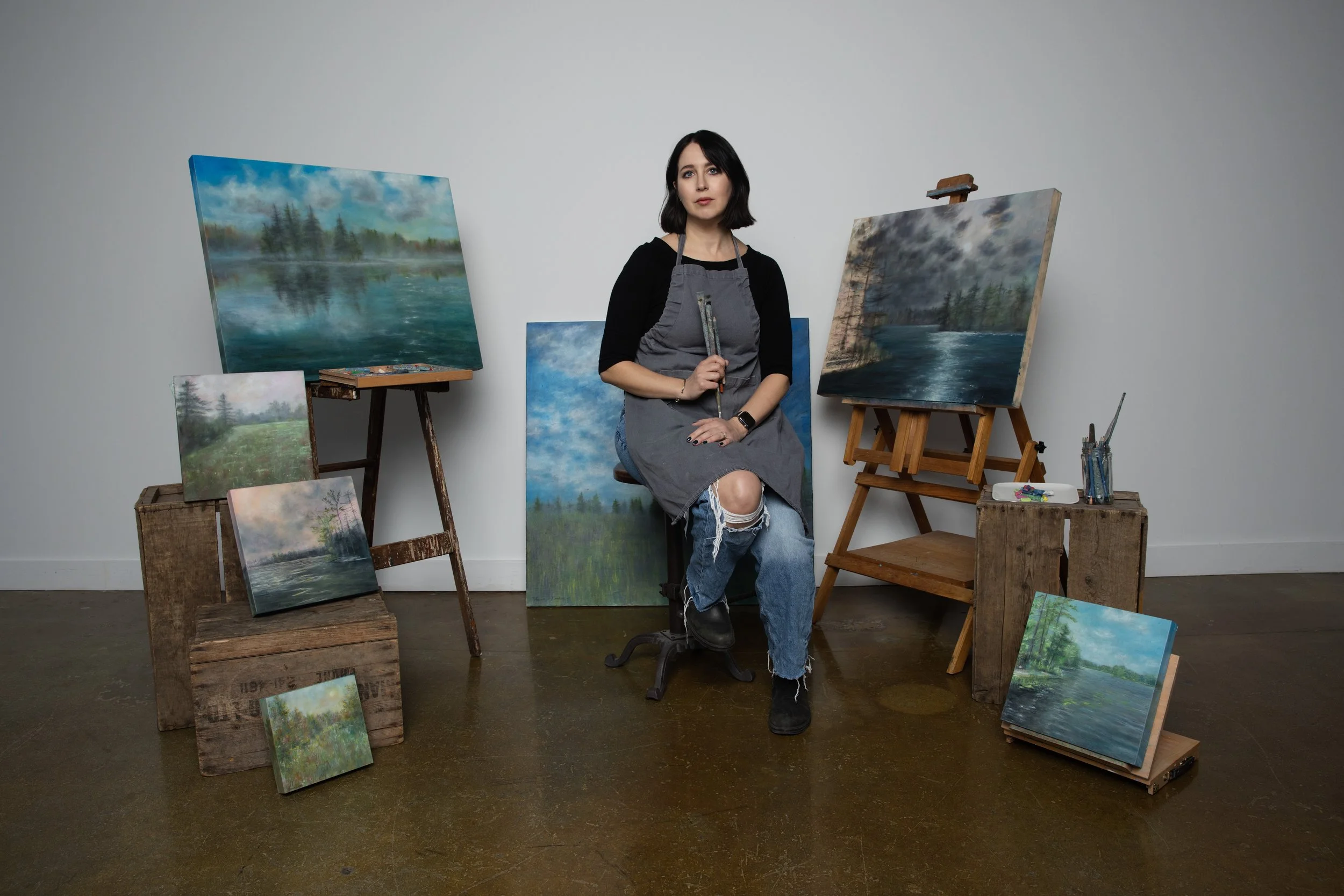
Amy Oh
1. What role does fragility play in your art?
Fragility shows up a lot in my work. I'm drawn to how something can be soft and delicate but still have strength-like wildflowers growing through cracks in the sidewalk. That quiet kind of resilience really speaks to me, and I try to capture that feeling in my paintings.
2. Is there a single detail from nature that changed how you create?
Definitely. The way light filters through leaves. I remember sitting under a tree one day and just watching the light move. It felt so peaceful and full of life. Since then, I've been more focused on bringing that kind of calm, glowing energy into my work.
3. What do you notice in nature that most people overlook?
I tend to notice the quiet little things- like moss on a rock, the space between branches, or how the air moves when everything else is still. Those in-between moments often feel the most alive to me, and they're what I love to paint.
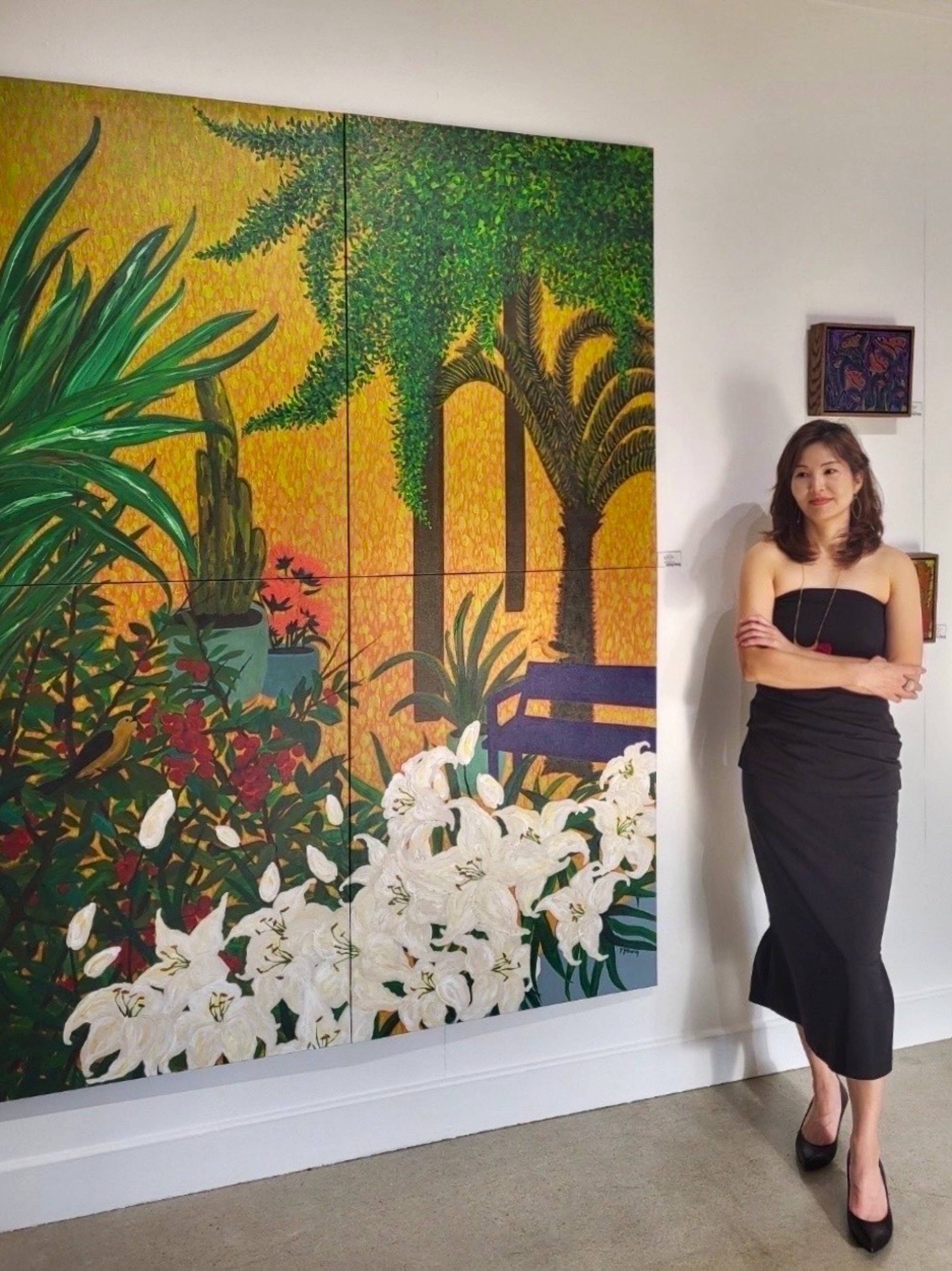
Jocelyn Williams
1. What movement in nature do you try to capture; wind, water, growth?
I'm interested in how people try to impose order and utility on the natural world, forcing nature back and creating constructions, and how nature tries to deal with this by filling back in, " healing" the barren spaces, nature is always trying to fill back in, and in urban spaces this can be especially chaotic, I do find myself attracted to different types of weather as well, as an expressive element in the compositions, I try to stay true to what I see.
2. Is your process more guided by memory or observation?
Probably more observation, but they are also defined by a childhood in a suburb that was transitioning from fairly rural to more urban. My play places were marginal spaces, hydro fields, construction sites, abandoned orchards. I've had a long-standing interest in the natural world and started gardening from a very young age, starting with the magic of seed growing and plant propagation and eventually grappling with the realty of our impact on the environment and concern with how our food is produced.
3. How do you hope people feel when they stand in front of your work?
Any way people want to react to my paintings is up to them and must be based on their own personal experiences. I have found people seeing different parts of the world reflected in areas mostly in Toronto and GTA, and people will see in them the things that interest them, architecture, history, signs and symbols of the urban world.

Jane Mikas
1. What patterns in nature inspire the shapes you create?
As a child, I often found myself creating linear spheres as a doodle when I was bored. One of my teachers said they were a primitive shape from the Celtic pre-Christian era. While on the phone, I would draw repeating lines row after row. I loved the meditative calm that I felt drawing these forms. I am currently painting the round shapes in nature, such as leaves, tree forms, round stones, etc. It gives me a comfy, cosy grounded feeling.
2. Does repetition in your work reflect something personal or organic?
I am consciously creating differences in my work. Linear lines alongside roundness in all its various forms keep things interesting. Leaf shapes and pod shapes are a recurring theme. I love the look of Birch trees with their light -coloured bark and all their spotted eyes. These forms represent my love for the organic and help me connect spiritually to nature.
3. What’s the softest thing about nature that you try to show?
The soft, subtle tertiary colours in nature inspire me to paint. Withered fallen leaves contrast with the grey softness of the cloudy skies. The white, hazy mist is probably the softest element in nature.

Paulina Colours
1. How do colour and nature speak to each other in your work?
I’m fascinated by the way light reflects off of water and all the subtle colours that appear the longer you stare into nature in its purest form. To me it is an act of worship to stare at nature and observe its beauty, the longer you stare the more you fall in love and the more colours you start to see and therefore appreciate deeply.
2. Is your art more about observing nature or feeling it?
By observing nature I feel it, the way it moves it can be calming or it can be intense and its rhythm can be chaotic or patterned either way it’s all perfectly divine. The order of chaos and its intensity can be invigorating feeling its power and even arousing the play between gentle and rough or cold and hot.
3. If this series had a season, which one would it be?
If this series had a season it would be a season of growth and blooming. Perhaps spring, of rising from the darkness into something new bursting from the earth reaching for the clouds and beaming with light.

Visit our Whispers of Nature exhibit from June 3rd to August 30th, 2025. Meet all the artists in person at our opening reception for the exhibit on June 19th from 6-9 pm.
‘Untamed Things’ Get To Know The Artists
Image Credits: Gary McGuffin
Friends of Temagami
At Friends of Temagami, our mission has always been about more than maps, trails, or portages, it’s about the people who embody the spirit of this land. One of those people is Alex Mathias, a respected elder of the Temagami First Nation and one of the last to live year-round on his ancestral territory at Obabika Lake. In this special feature, we invite you to get to know Alex, not just as a steward of the old-growth forest, but as a storyteller, teacher, and living bridge between generations. Through your support, whether by purchasing a map or making a donation, you’re helping Alex continue his quiet but powerful work on the land.
Since 1995, Friends of Temagami has been the pre-eminent voice for wilderness ecosystems, protected areas, and backcountry recreation in the Temagami area. We are a leading voice for the protection and restoration of wilderness values in Temagami and the leading source for backcountry sustainable recreation information. Friends of Temagami is instrumental in ensuring that canoe routes and related values (e.g. campsites, portages, lookouts, hiking trails) are properly recognized, located, restored, protected and maintained. Friends of Temagami is a non-profit organization operated entirely by volunteers. Our funding comes from map sales, donations, and memberships. By buying a map, becoming a Friend, or making a donation, you are directly supporting our work.

Image Credits: Gary McGuffin
Q1. Can you all describe a moment when a scene insisted on being captured—when it wouldn’t let any of you go?
Morning at the campsite on the western side of Chee-skon-abikong Lake where we were struck by the scene across the water of sunlit white pines standing out in sharp contrast to the shaded rock cliff behind.
Q2. Are there certain sounds, smells, or sensations that influence what ends up in your art as a group? How do your individual sensory experiences come together in your collective work?
As artists, we are all uniquely experiencing the sensations of the land but because we are all there together, we are still all hearing the lap of water against shore, a particular birdsong or, in Temagami particularly, the sound of wind through those ancient white pines. And we all have the same smells around us. Pine, cedar, spruce, earth etc. Whether consciously or subconsciously, these smells are influencing our creative work as well.

Image Credits: Gary McGuffin
Q3. Why is the idea of untamed important to all of you as artists? What draws you collectively to that theme?
The untamed places attract us all but also knowing they are under threat. That feeling that we can collectively raise awareness for these wild places through our art in places like Temagami is exciting. Artists and their art forms play such an important role in protecting wild places!
‘Untamed’ has a double meaning. It speaks both to the landscapes, and to the individual artists themselves experiencing unique perspectives on an overall common experience we are having together. I am the only artist whose medium is photography. I am as interested in capturing the story of the artists working together in the landscape, as I am in capturing the landscape myself. I am so inspired by all the untamed spirit around me - on the land and in the artists at work.


Q4. After the hike, after the painting—when you all step back and look at your finished works—how do you know, as a group or individually, that a piece is truly complete?
Untamed Things collective enjoys the camaraderie of discussing the day’s creative efforts around the evening campfire. In Temagami, we had this amazing opportunity to spend time with Alex. To Alex, this place is N’dakimenan. He shared with us a profoundly deeper understanding of this place through a lifetime of stories and experiences through all seasons. These stories brought a whole other awareness and dimension to our own creative work.
Visit our Untamed Things exhibit from May 2nd to May 31st, 2025. Meet all the artists of Untamed Things in person at our opening reception for the exhibit on May 15th from 6-9pm.
Queen Street in Bloom: Your Perfect Spring Day Itinerary
Image Credits: Piper Matier Pinterest
Hey there, sunshine seekers! You’re strolling down Queen Street, the air is buzzing with that sweet spring energy, and you are thinking, “What magical adventure awaits me today?” Well, grab your cutest sunnies and get ready, because we’ve crafted the ultimate Queen Street spring day itinerary just for you. We’re talking flowers, unique finds, delicious treats, and inspiring art.
We’re kicking things off at the vibrant Toronto Flower Market. On May 10th, from 10 AM to 3 PM, head to 1001 Queen Street West to immerse yourself in a world of beautiful blooms. Imagine rows of colorful tulips, fragrant lilies, and unique arrangements. It’s the perfect spot to pick up a bouquet to brighten your home or just enjoy the springtime atmosphere. A little tip: arrive early to beat the crowds and snag the best selection of flowers. Don’t forget to bring a tote bag for your floral finds.
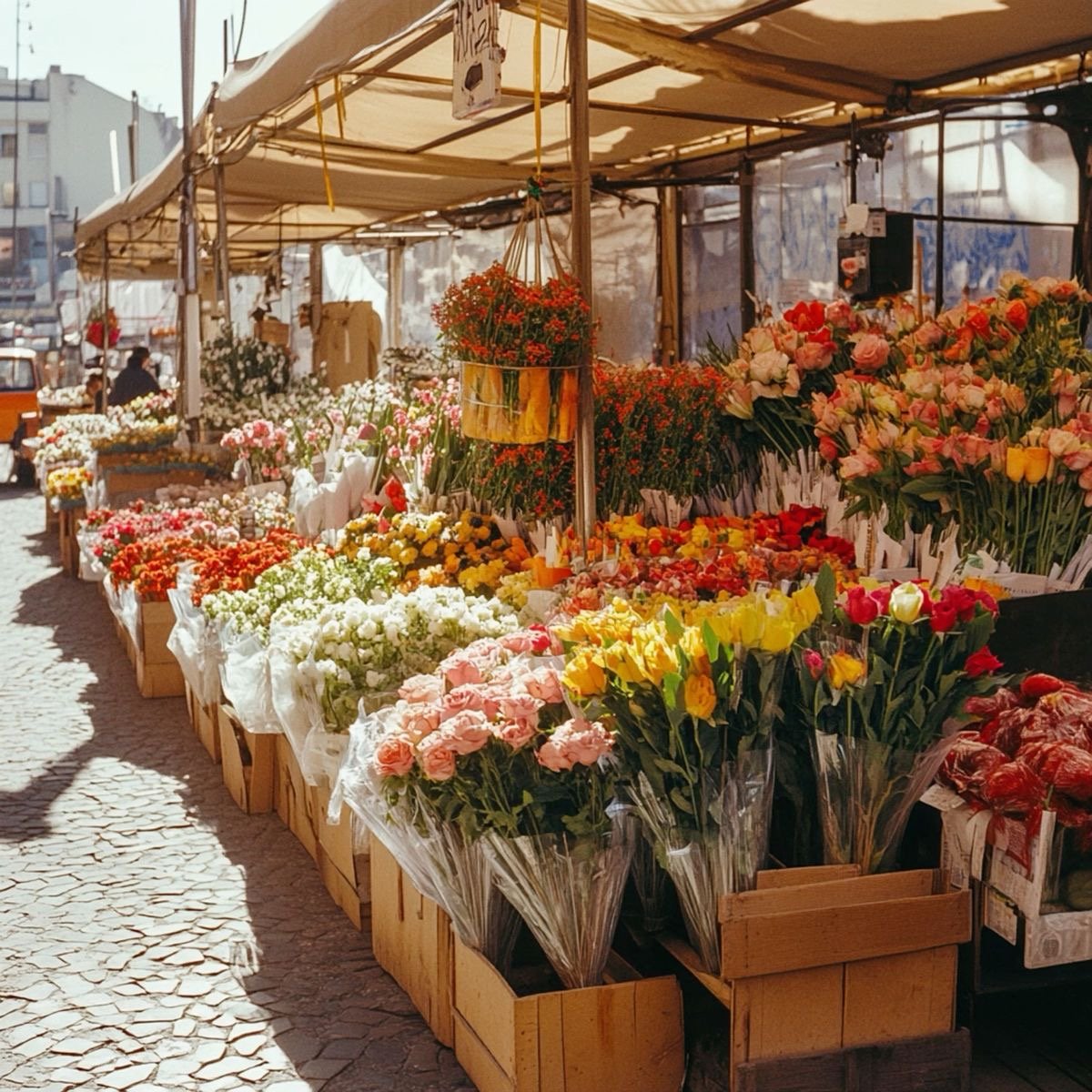
Image Credits: Chloe Constance Pinterest
After enjoying the flower market, make your way to Good Friends Market. This local market is a treasure trove of one-of-a-kind items from talented artisans. You’ll find everything from handcrafted jewelry and art to vintage clothing and home decor. It’s a great place to discover something special and support local creators. Expect a friendly, relaxed vibe and a wide variety of unique goods.
By now, you’ll probably be ready for a break. Buno Cafe is the perfect spot to refuel with a delicious lunch or refreshing coffee. This cozy cafe offers a welcoming atmosphere and a menu filled with tasty treats. We recommend trying their seasonal specials or a classic latte with a pastry.

Image Credits: JoinPadmasPalette Pinterest
To bring your delightful spring day on Queen Street to a truly inspiring close, step into the vibrant world of Twist Gallery. Wander through the exhibits, let the bold colors and innovative forms spark your imagination, and discover pieces that resonate with you on a whole new level. It’s the perfect way to end your day, leaving you feeling inspired and full of creative energy.


A friendly reminder to wear those comfy shoes as you’ll be exploring quite a bit of Queen Street magic. Get ready for a blooming, bustling, and beautifully artistic day!

Timeless Wedding Keepsakes: 7 Unique Favor Ideas for Toronto Couples
When it comes to wedding favors, the parting gift should echo the elegance of the celebration. Here are seven distinct ideas, each imbued with the sophisticated, contemporary flair you would expect from a venue that values artistic expression:
When it comes to wedding favors, the parting gift should echo the elegance of the celebration. Here are seven distinct ideas, each imbued with the sophisticated, contemporary flair you would expect from a venue that values artistic expression:
1. Seed Packets
Forget the standard seek packet. Envision sleek, minimalist envelopes, perhaps adorned with a delicate watercolor rendering of the flower within. This isn’t just a gift; it’s an invitation to grow, a symbol of new beginnings presented with artistic refinement.

2. Custom Hand Fans
For a summer wedding in a light-filled space, consider custom hand fans. Commissioned with contemporary geometric patterns or crafted from sustainable, high-quality materials, they offer both comfort and a touch of sophisticated style.

3. Pressed Flowers
Transform delicate pressed flowers into wearable art or framed keepsakes. Envision slim, contemporary metal frames or delicate glass lockets, each capturing a fleeting moment of natural beauty with an artistic eye.

4. Mini Succulents in Modern Vessels
Present mini succulents in minimalist ceramic pots or geometric terrariums. These aren’t just plants; they’re living sculptures, adding a touch of verdant elegance to any space, a contemporary nod to nature’s artistry.

5. Artisanal Tin Jars
Fill tin jars with artisanal jams, infused honeys, or hand-blended spices. Adorned with minimalist labels and elegant ribbons, these gifts reflect a refined palate, a taste of curated delights.
6. Personalized Slate Coasters
Elevate the everyday with slate coasters, engraved with subtle, contemporary designs. Presented in sleek, minimalist boxes, they’re functional pieces of art, adding a touch of architectural sophistication to any home.

7. Luggage Tags
For the discerning traveler, design luggage tags with modern, abstract patterns or sleek metallic finishes. Crafted from high-quality leather or durable materials, they’re stylish companions for future adventures, a nod to journeys yet to come.

8. Caricature Illustrations
Instead of a static favor, provide a live artistic experience. Hire a talented caricature artist to create personalized illustrations for your guests during the reception. This becomes an interactive and memorable souvenir.

9. Elegant Matchboxes
Elevate the humble matchbox. Design custom matchboxes with elegant patterns, monograms, or a meaningful quote. These become stylish keepsakes, providing a spark of warmth and remembrance.

10. Signature Scents
Create a unique, customized perfume together as a couple. This personalized scent can be bottled in elegant, minimalist vials, offering your guests a truly one-of-a-kind and intimate memento.

In a space that values artistry and refined experiences, these curated keepsakes are more than favors; they’re reflections of personal style, echoes of an elegant celebration. We invite you to explore how thoughtfully chosen details can transform your event into an unforgettable artistic experience.