
SHUTTER SPACE: Exploring Inspiration, Process and Practice
From January to March, SHUTTER SPACE brings together photographic works that explore observation, memory and visual storytelling. Through a series of interviews, audiences are invited to get to know the artists and gain insight into their creative process and inspiration.
Meet the artists who brought this exhibit to life and get to know their stories.
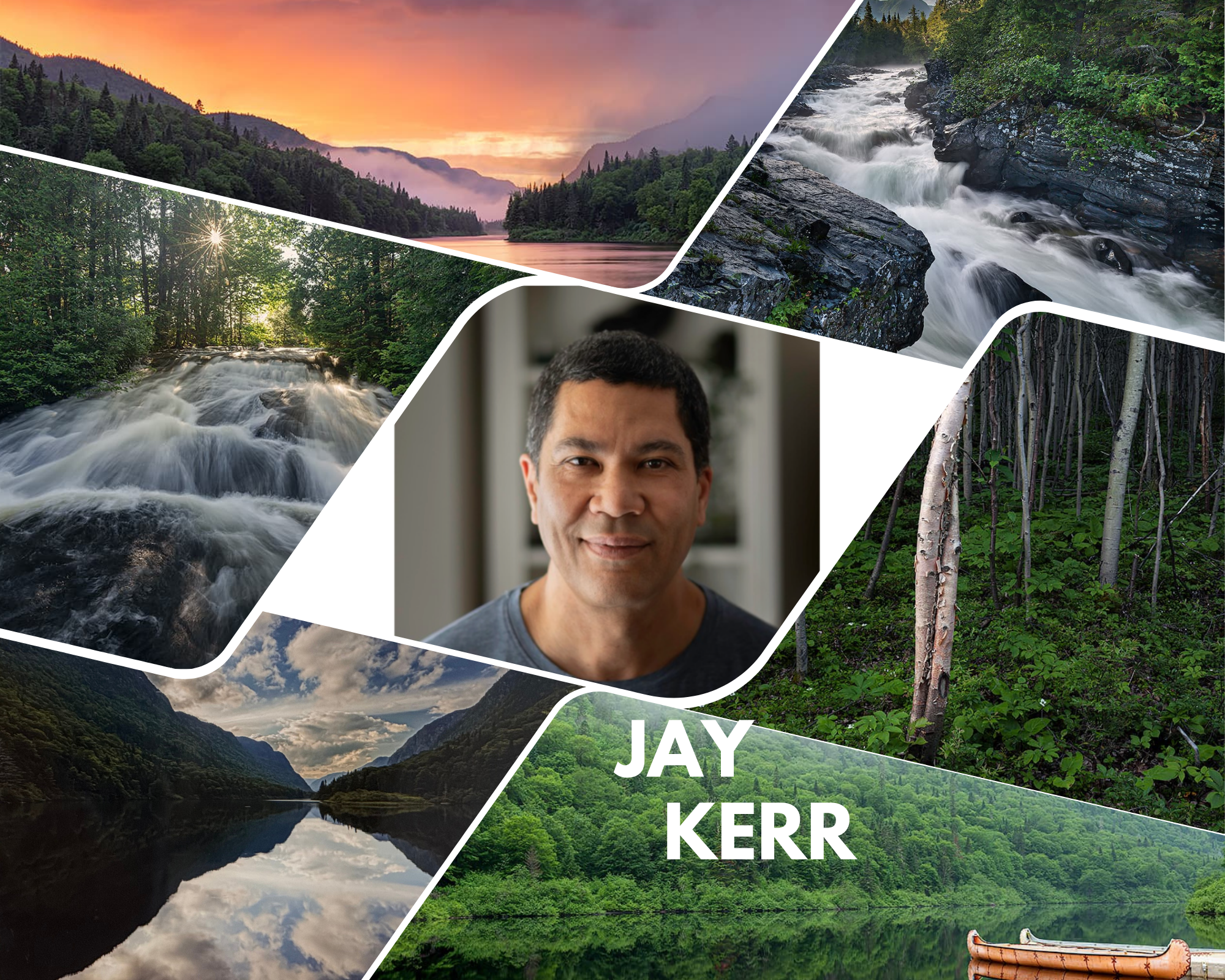
1. You move between the energy of Toronto and the solitude of nature. How does living in an urban environment shape what you look for when you’re photographing the landscape?
Living in Toronto, I’m constantly immersed in what I call “visual noise”. By this I mean the fast pace, the congestion, and the relentless pulse of the city. I love the city’s energy but it creates a deep, physical need for the opposite. When I step into the landscapes of Quebec or Northern Ontario, I’m not just looking for an interesting composition. I’m in search of “visual silence” to balance out the city’s frantic energy.
Life in the city sharpens my eye for minimalism. Surrounded by the constant noise of billboards and advertising, I find myself seeking out single focal points and visual silence in nature. My photography is a way of capturing the stillness I crave. It allows me to bring a piece of my “happy place” back to those who also feel the weight of urban life.
2. You describe your images as studies of “quiet magic.” What aspects of natural wonder draw you in the most, and how do you translate that feeling into a photograph?
For me, “quiet magic” isn’t found in the loud, dramatic sunsets we often see on Instagram. It’s found in the undramatic moments that happen when you finally slow down enough to notice them. I’m drawn to the shimmer of mist lifting off a lake, the smell of pine trees after a rain, or the way golden light breaks through a heavy cloud layer after a storm.
To translate that into a photograph, I often focus on texture and rhythm rather than just scale. I want my images to act as a “visual meditation.” Where possible, I try to simplify my compositions to remove any clutter, allowing the viewer’s eyes and mind a place to rest.
My goal is for someone to stand in front of a print and feel a deep breath. I want them to experience a physical relaxation where their shoulders drop and they can briefly reconnect with the unconstructed world.
3. Your process involves deep immersion, hiking, observing, and waiting for moments of stillness. How do you recognize when a moment of stillness is the right one to capture?
It’s an instinctive feeling more than a technical one. I spend a lot of time alone while hiking, camping, and sitting in silence. Eventually, the energy of the city fades away and I reach a point where I stop feeling like a visitor and truly inhabit the landscape.
I recognize the right moment when the landscape stops feeling like a subject I am shooting and starts feeling like a place I am simply part of.
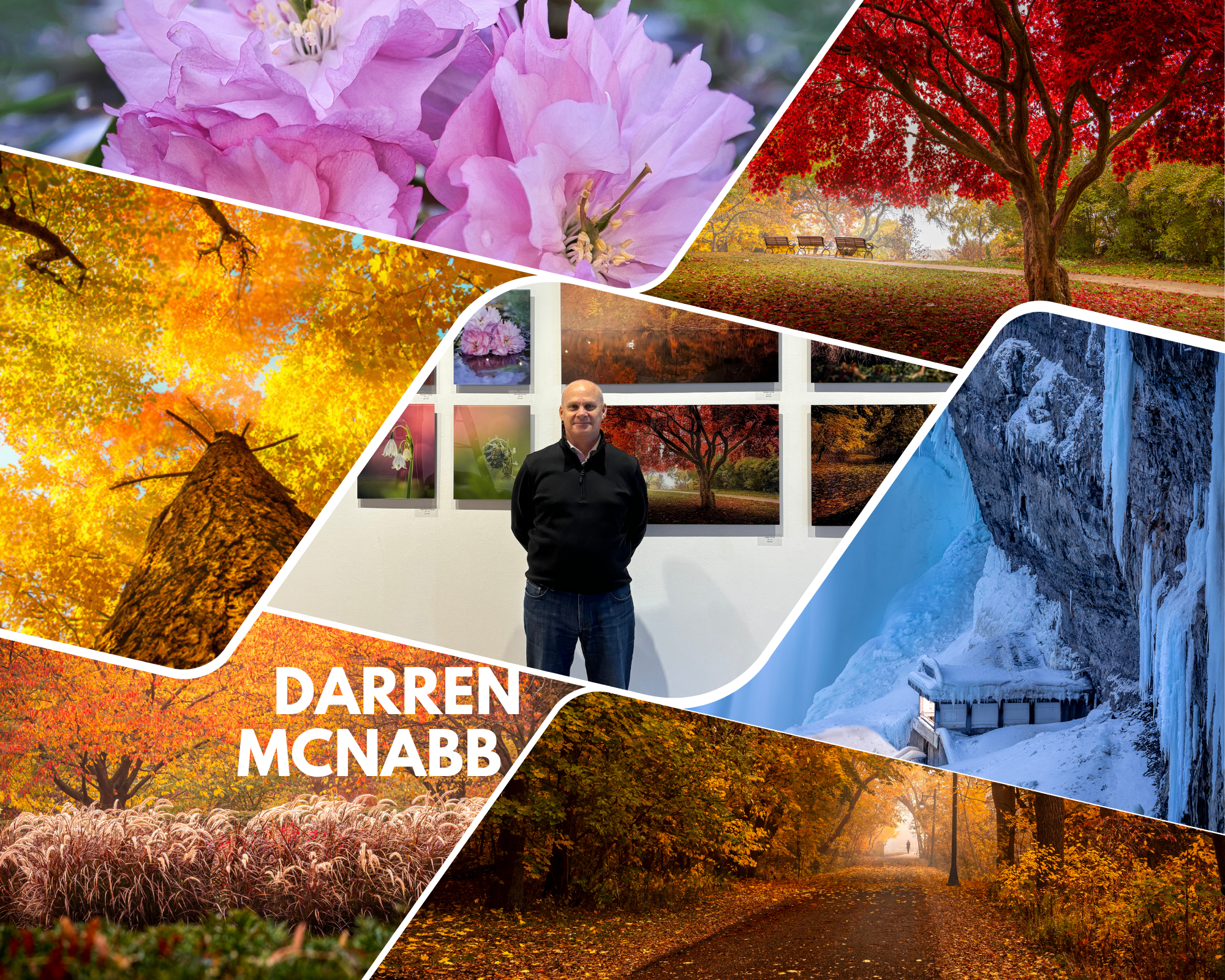
1. After retiring from the business world, photography became a new beginning for you. How did that life shift change the way you see the world and approach making images?
Retirement marked a deliberate shift from a highly structured, outcome-driven life to one guided by attention and curiosity. Photography became the framework for that change. Instead of moving quickly from one objective to the next, I now spend time noticing—how light settles across a familiar path, how a lone figure recedes into a landscape, or how mist and reflection briefly quiet a scene.
That change in pace has fundamentally altered how I approach image-making. I’m no longer chasing productivity or proof of progress. I’m allowing moments to reveal themselves, and photographing them when they feel complete. In many ways, the work reflects the transition itself: slower, more intentional, and grounded in presence.
2. As a self-taught photographer, how did you develop your visual style over time, and what lessons came from learning outside a formal classroom?
Learning photography later in life, without formal training, shaped both my process and perspective. I developed my style through repetition and reflection—by shooting often, paying attention to what stayed with me, and letting patterns emerge naturally. Over time, I noticed a consistent pull toward bold colour, simplified compositions, and images that feel calm but emotionally charged.
Being self-taught reinforced an important lesson: it’s acceptable to be a beginner again. Progress was gradual, and that required patience and humility. But that openness became an advantage. Without rigid expectations, I was free to explore, to trust instinct, and to let the work evolve at its own pace—something that mirrors the broader experience of starting a creative second chapter.
3. Colour plays a major role in your work. What draws you to bold, saturated colour and how do you decide when colour should lead an image?
Colour is often the emotional entry point for me. Bold, saturated hues have an immediate impact—they shape mood before the subject is fully understood. Whether it’s warm autumn light filtering through trees or the quiet intensity of colour rising through early mist, colour becomes a way to communicate feeling rather than simply describe a place.
I allow colour to lead when it deepens the emotional clarity of a moment. If it adds energy, warmth, or a sense of anticipation, I lean into it. If it distracts, I pull back. That balance is intuitive, but it’s always informed by one question: does this choice help the image feel more honest to the experience of being there?
4. You aim to reveal the extraordinary in the ordinary, using painterly techniques. How do you decide which moments to enhance in post-processing and which to leave more natural?
Post-processing is where interpretation enters the process. Some scenes already hold the emotion I felt in the moment—a still reflection, a quiet path, a pause in motion—and those images remain close to their original state. Others need subtle enhancement to express what initially drew my attention.
When I do lean into a more painterly treatment, it’s to emphasize atmosphere, colour, or light in service of feeling rather than accuracy. The goal isn’t to make the image more dramatic, but more impactful. It’s about helping the viewer sense why a seemingly ordinary moment was worth stopping for.
Darren’s Further Insights
Photography represents a meaningful second chapter in my life, not a casual pursuit. After decades in the business world, it provides a different kind of structure—one rooted in movement, observation, and intention. It gives purpose to slowing down, to walking without urgency, and to staying actively engaged with both my environment and myself. This body of work reflects that shift, not just in subject matter, but in pace and tone.
Toronto is central to that experience. It’s a city I live in and move through daily, which allows me to photograph it quietly and repeatedly. Familiarity creates space to notice subtle changes—seasonal colour, shifting light, overlooked viewpoints—and to return to the same places with fresh attention. Through this work, I’m exploring what happens when you stay long enough for the ordinary to reveal its depth.
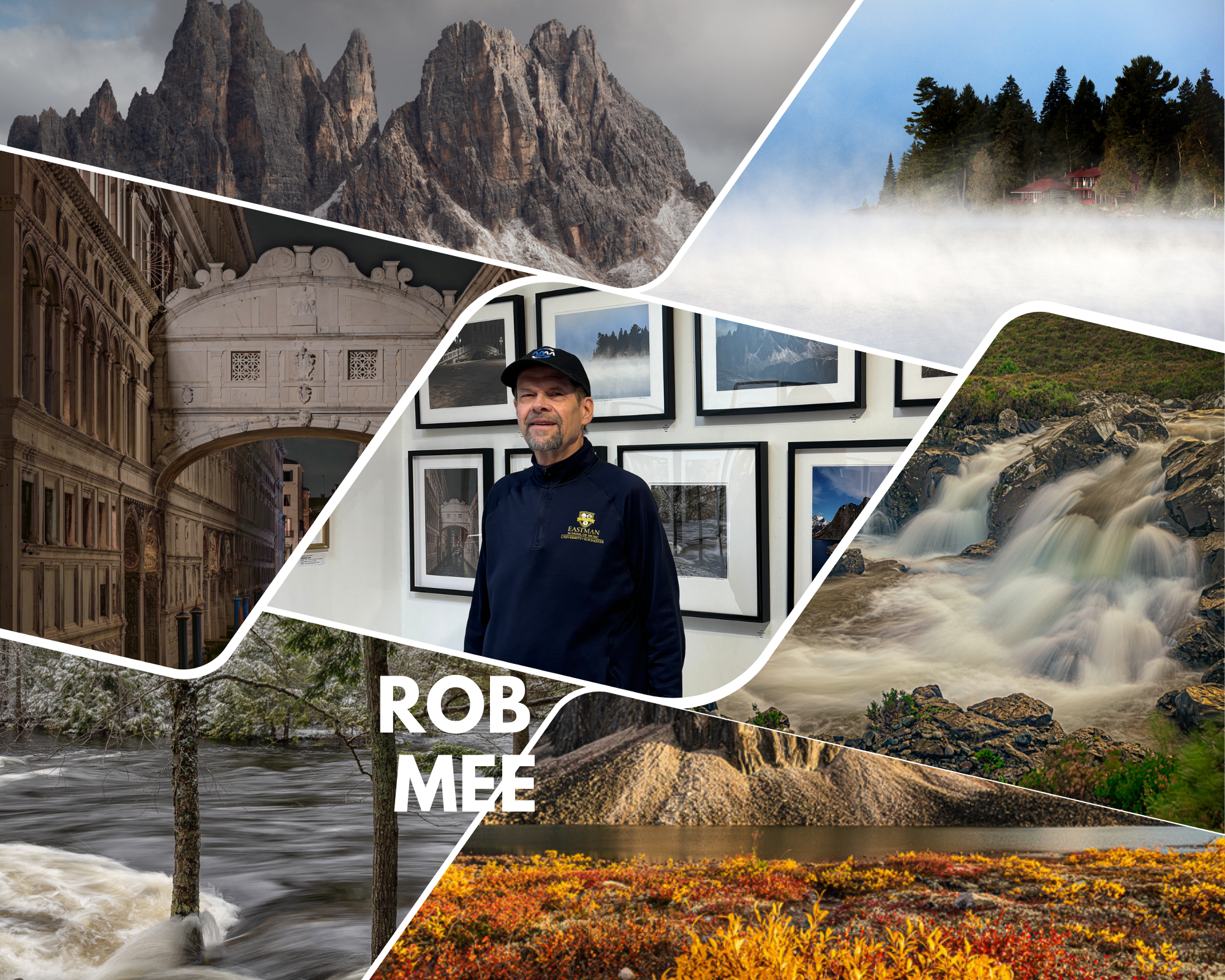
1. Seeing Ansel Adams’ Moonrise, Hernandez was a turning point for you. How has that early experience shaped your approach to light and tonal range today?
Ansel Adams was originally on track to have a career as a concert pianist before he turning his attention to photography. I imagine he too also realized the parallel elements between photo composition and musical composition!
In my landscape imagery, I prefer a more understated approach to light and tonal range which is why I tend to photograph in softer light during golden and blue hours (morning or evening) when colours are more muted with less contrast. When I’m photographing architecture, I will often head out in the middle of the day where the contrast between light and shadow is more pronounced and this is when I will sometimes opt for black and white with the range of tones (think Ansel Adam’s Zone system) that emphasize geometrical patterns.
2. You photograph both remote wilderness and Toronto’s urban architecture. What stays consistent in your vision across such different environments?
My main goal when planning an image is simplicity so that the viewer can easily discern the essence of the image - it’s main intent. Therefore I am purposeful in eliminating any distracting elements from the composition that aren’t central to guiding the viewer’s eyes through the frame to the main subject. The direction and quality of light also help in this regard since photography literally comes from the Greek words “drawing with light!”
3. You’ve recently begun exploring abstract photography in the city. What draws you to abstraction, and how does it change the way you see familiar urban spaces?
Photography and indeed, all visual arts, include elements of line, pattern, texture and shape. Since my professional background is in music and music education, I have always been cognizant of the parallels between art and music - melody, harmony, texture, tone colour and form. Architecture has both form and function so rather than just photographing a building or space, I prefer to isolate parts of a building and highlight some of the elements that create a more abstract view. I’m excited by both the very old architecture in Toronto and equally so by many of the more recent buildings and spaces that emphasize aesthetically interesting designs that lend themselves to abstract interpretations.
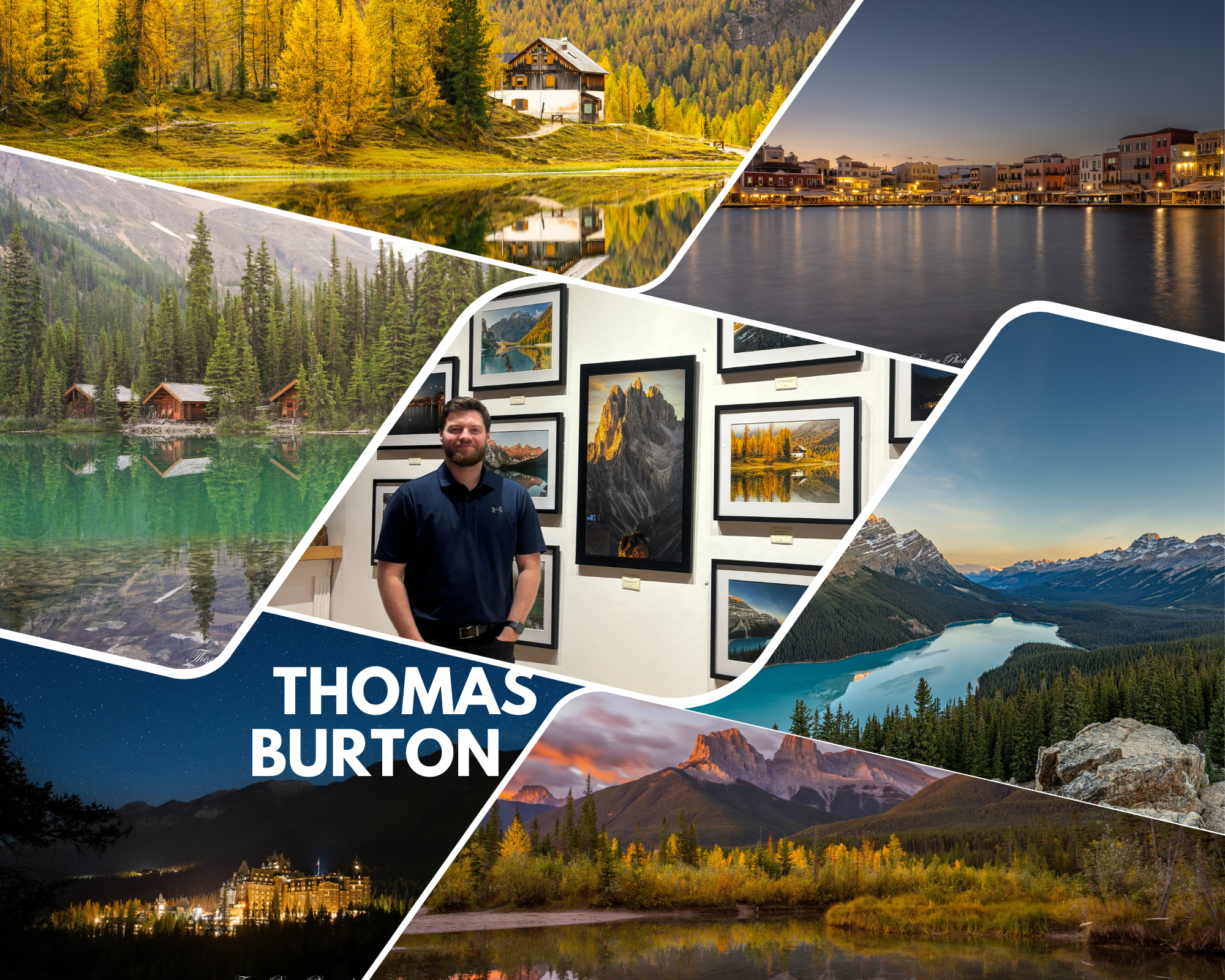
1. You’re drawn to stillness and minimal human presence. What does a successful “quiet” image look like to you?
A successful "quiet" image for me is an image that feels settling. It gives the viewer space to slow down, to notice small shifts in tone, light, or balance. I enjoy scenes that showcase minimal human presence that helps remove noise, so the image becomes more about atmosphere rather than an event. The image should feel complete in its stillness, not dependent on implied motion.
2. Long exposures and reflective water are recurring elements in your work. What do these techniques allow you to express emotionally?
Long exposures slow the image down and remove specificity. Long exposures flatten movement and reduce detail, which makes the scene feel less tied to a particular time and adds more of an artistic flare to the image. Reflective water interrupts a direct view and adds ambiguity, so the image becomes more about structure, tone, and balance than subject.
3. This exhibition is your first formal gallery presentation—how did that shape your selection and presentation of images?
Knowing this was my first gallery presentation, I was more deliberate with the images I chose. Instead of choosing individual images that stood well on their own, I focused on the cohesion between each photograph. Specifically, how the photographs speak to each other in tone, pacing and emotional weight. I paid more attention to sequencing, letting the quieter images with softer tones outline my more dramatic work. The gallery context encouraged me to trust subtlety and to present the work as a sustained experience rather than a collection of highlights.
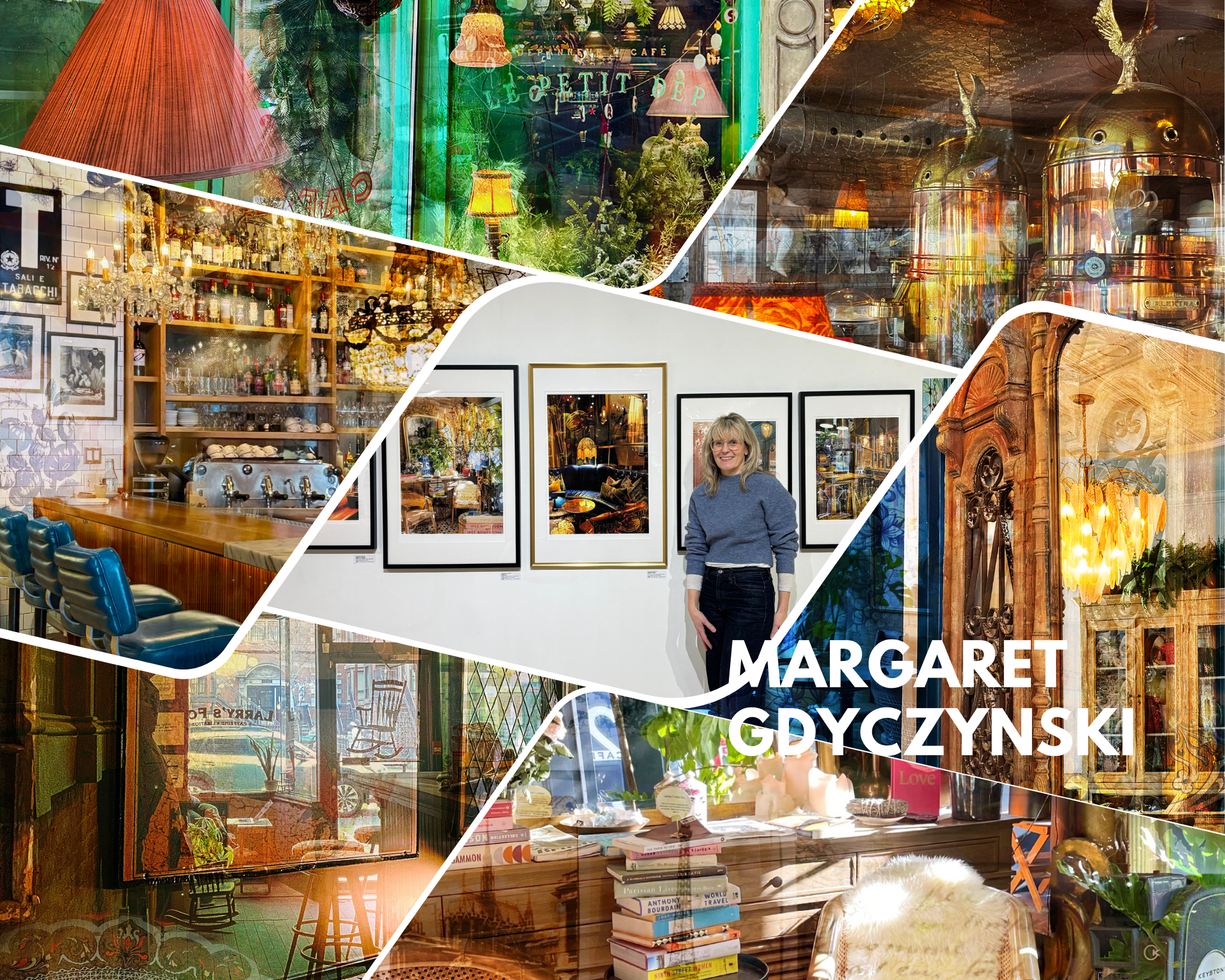
1. Memories can be sparked by sights, sounds, or smells. How do you translate those sensory experiences into your photography?
I translate these sensory experiences when I layer photographs and blend them to create luminosity or overlay using multiple images. Each layer allows the light to screen different parts of a photograph illuminating one area and darkening another. Elements in the photos are enlarged to highlight details that would evoke a sense of smell, for example an espresso machine or a worn leather chair.
2. You explore historical structures, new builds, and the small details that often trigger memories. Are these spaces connected to your personal experiences, or do they reflect more collective memories?
Architecture in my photography is connected to both personal experiences as well as our collective memories. I think that these two can overlap since in public spaces we experience similar events. Often if it’s a historical structure we can collectively relate to past events that took place in the space, such as a wedding or perhaps a tour during a holiday. Meanwhile the personal experience is the details of the photographs, for example the tiles on the floor or the antique lamp which trigger a very specific memory, perhaps your grandmother's house or the room you stayed in while travelling Europe.
3. Your work uses a digital double-exposure process inspired by film. How does this method reflect the way memory works, especially when capturing the feeling of returning to familiar places after a long absence?
The photos have multiple exposures that capture a sense of nostalgia, a longing that sparks our memories. My memories feel like short reels or snapshots of a time and place, never quite formed but dreamlike and always layered with a feeling, maybe a sense of smell and a visual. Double exposure allows me to capture a few collected moments, stacked together, whether they are related or not, it’s how my mind processes all those feelings at once.
4. Through this collection, what do you hope viewers take away when they recognize a sense of familiarity in your images?
I hope the viewer connects with the photographs and while taking time to study the details experiences their own memory of an event or place. The photographs hopefully spark a sense of warmth, welcoming and positive remembering even if it’s just a flicker of something wonderful.
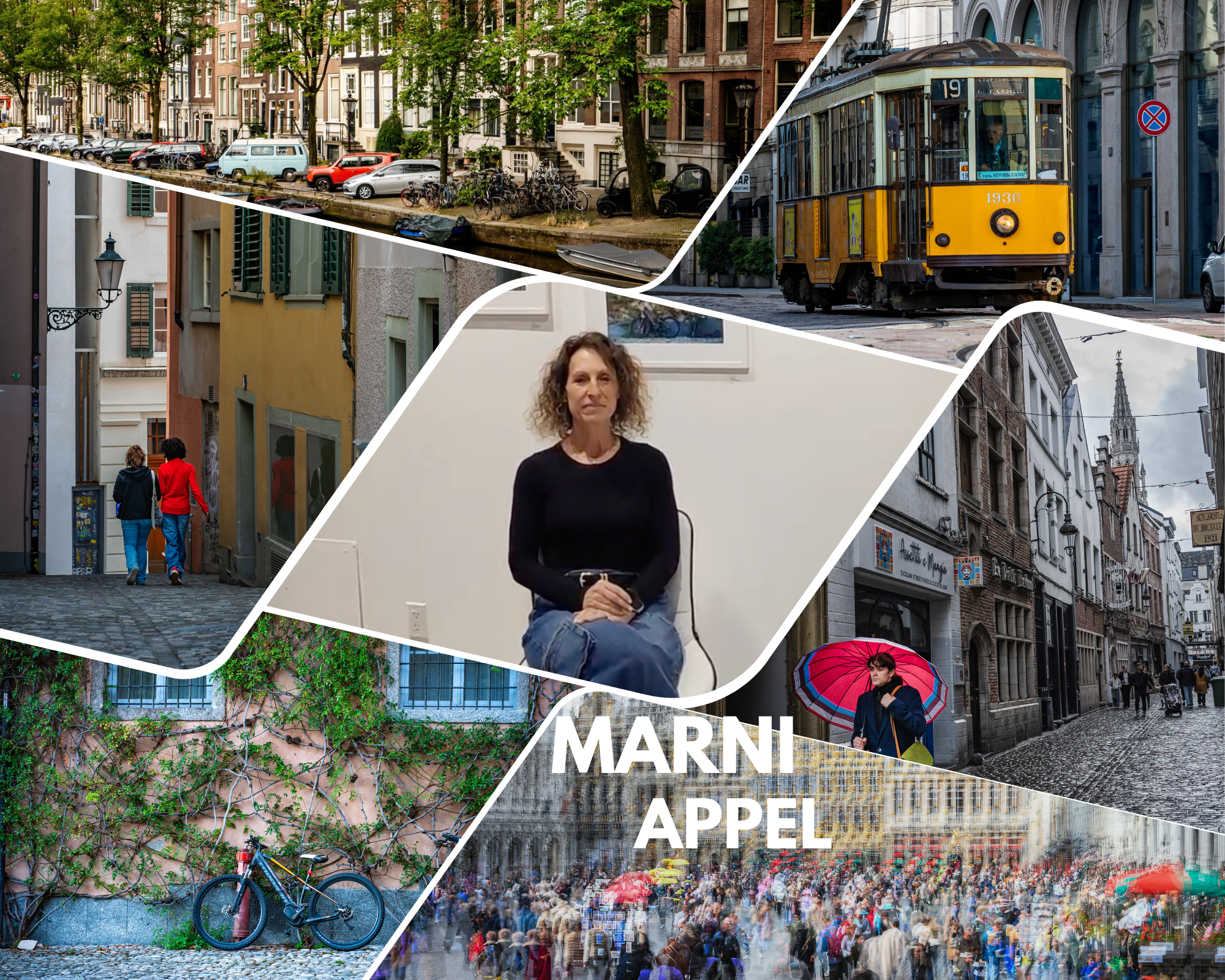
1. In this collection, you focus on European cityscapes. What differences or similarities stand out to you in how people inhabit public spaces across these cities?
Travelling through Europe has given me the opportunity to slow down and simply observe how people move through public space. Compared to North America, there is a noticeable sense of ease; people linger. Cafés and patios are filled with conversation and laughter, and time seems less hurried. Public spaces are treated as places to gather, not just pass through.
One striking similarity across cultures, however, is our shared reliance on technology. I repeatedly found myself photographing people absorbed in their phones on transit, in shopping districts, even while seated together at a table. These moments reveal a quiet contradiction: an increasing disconnection from our surroundings, even when those surroundings are extraordinarily beautiful.
2. Looking back on your journey—from capturing memories to building a social media presence and exhibiting professionally—what achievements or moments have been most meaningful to you?
Photography began as a personal interest, but during the pandemic I committed to developing my craft with intention and discipline. Setting clear goals allowed me to grow steadily, both creatively and professionally. Sharing my work daily on social media has helped me connect with a vibrant community of photographers and build meaningful relationships within the city.
Building M. Appel Creative has been especially rewarding. Through events, portraits, and personal milestones, I’ve been able to help others preserve moments that matter to them. Publishing my photobook, Walking Through the 6ix, was another pivotal achievement; seeing it enjoyed in homes and professional spaces alike continues to be deeply affirming.
Community has always been central to my work. Founding Ladies in the GTA created a supportive and safe space for women to connect, create, and explore photography together. Seeing that community flourish has been incredibly fulfilling. Having my work exhibited at Twist Gallery now brings this journey full circle, and I’m grateful for the support of my friends and family as I celebrate this milestone.
3. Your images often capture the interplay of light, the gestures of strangers, and the contrast between history and modern life. What draws you to these fleeting moments, and how do they reveal the character of a city?
Walking with a camera has trained me to be fully present. I’m drawn not only to iconic landmarks, but to moments that quietly tell a story: how light falls down a narrow street, how people interact with their environment, or how history and modern life coexist within a single frame.
These everyday moments reveal the true character of a city. Whether through architectural details, street art, or human gestures, they create a visual narrative that feels authentic and lived-in. I often choose to edit these images in black and white, allowing the absence of colour to emphasize mood, contrast, and emotion. At its core, my work is about storytelling, using photography to pause time and invite the viewer into a moment they might otherwise pass by.
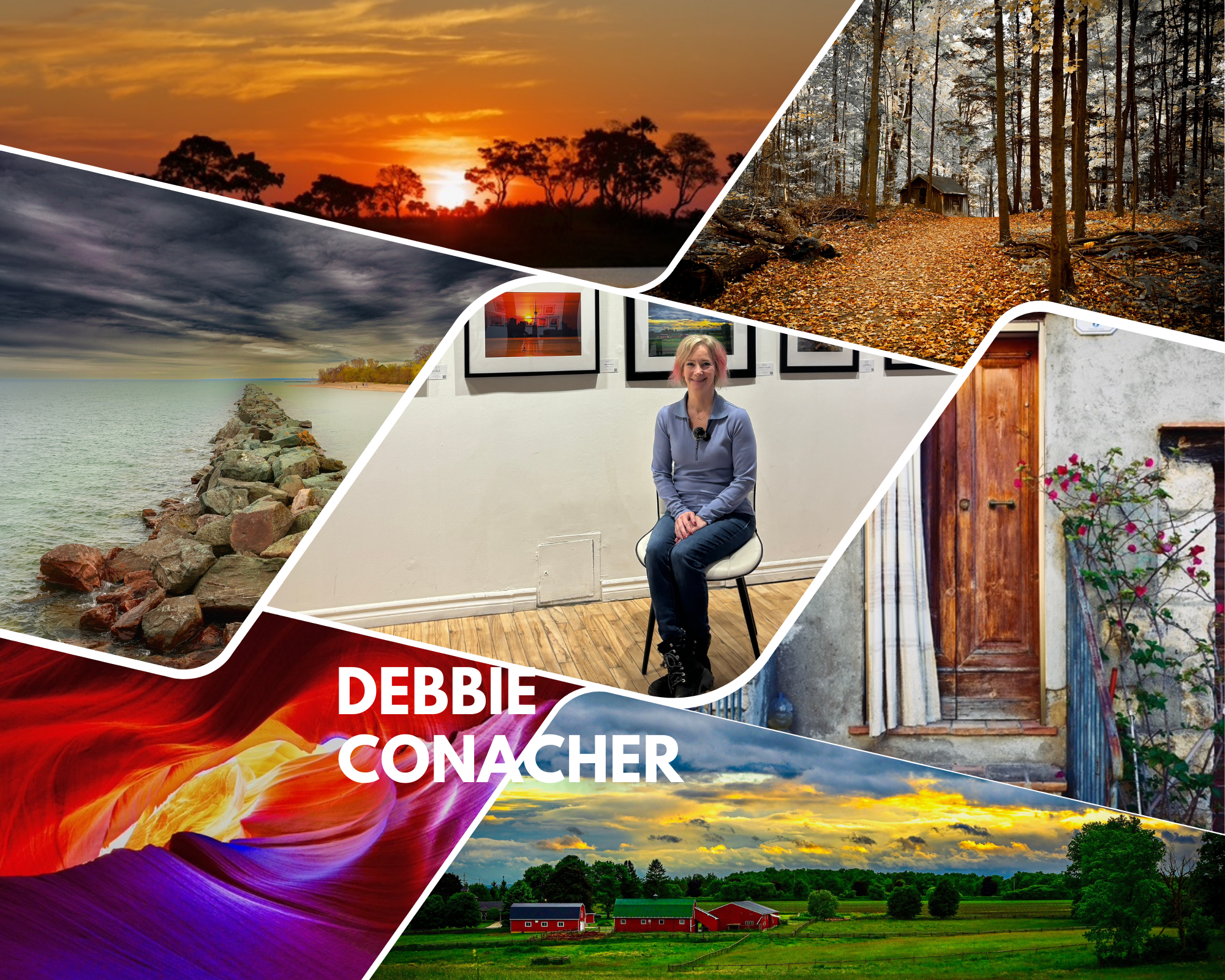
1. You balance a demanding career as a paramedic with your photography. How does your work in emergency services influence the way you see and capture moments in your images?
I’ve been with Toronto Paramedic Services for 22 yrs and as a paramedic and a supervisor I’ve seen and experienced many things that do get buried deep into your soul, but it has also been a very rewarding career. It teaches you to embrace every day, cherish every moment and give yourself time to breath and be present with your journey. When I’m behind the lens capturing landscapes, nature or creating a treasured moment for a client, I feel liberated and free with my creative escape. The joy of making someone smile with my work whether it’s a piece from my collection, or a moment captured for them, that feeling is truly rewarding in a different way because you created it.
2. From film to digital, your photography practice has evolved significantly. How has post-editing opened up new creative possibilities for your work?
I have been in the photography business for over 30 yrs, so when I first went to school for photographic arts (in Thunder Bay) it was all film, chemicals and darkrooms which was its own learning curve. The digital world including post-editing has been a steeper learning curve. I’ve always popped my images with simple edits, but when you start doing night photography and astro work, you really need to invest time into learning Lightroom and Photoshop. The photography community is very supportive when you ask about techniques with edits. Learning from each other with different post edits like stacking or blending images for Milky Way shots. The possibilities are endless with AI out there now. I still need to sink my teeth into Photoshop. That is on my 2026 goal list!! (I give credit to Robin Knighton who has been my astro photography mentor).
3. Whether photographing landscapes or candid moments with families, what do you hope people feel when they see your images?
When I post an image on my social media or if it’s on a wall displayed, it gives me pleasure when something I see through my camera is replicated even better once I post it or process it in print. I am my own critic, so if I’m happy with the results, my goal is to make the viewer just as happy or curious or maybe even have awe with my results. When I work with clients, and families and I capture the essence of their personality or freeze the moment just as they remembered with love, that is the best reward!
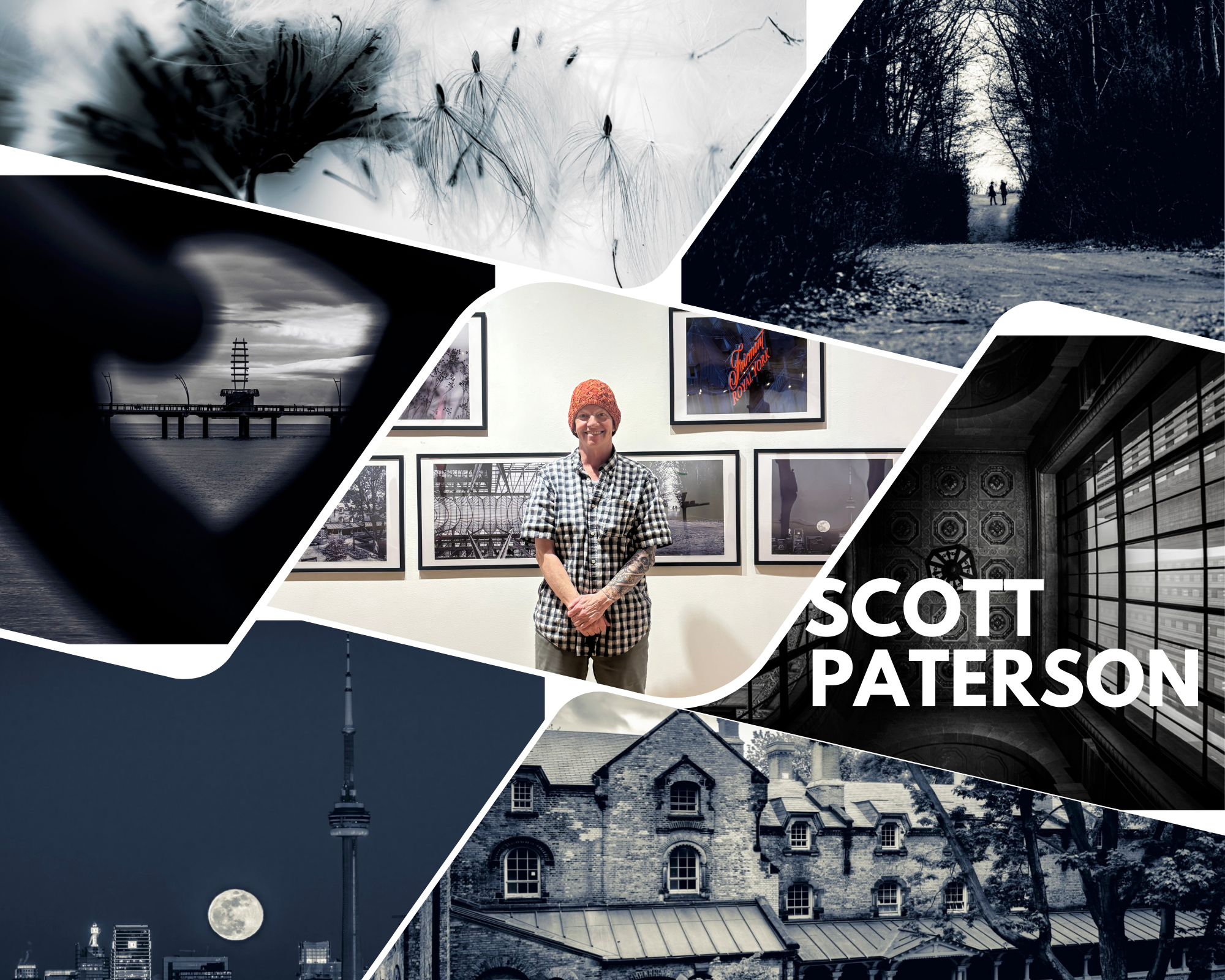
1. You mentioned that your viewfinder is set to black and white. What does removing colour allow you to see in your photographs?
Setting my viewfinder to monochrome, allows me to really focus on my composition and the elements such as lighting and shadows of the photograph, rather than the colours themselves.
2. Shutter Space is your first exhibition. What does it mean to you to share your work publicly, and what do you hope people feel or notice when they see your images?
Sharing my work publicly for the first time through Shutter Space is both exciting and nerve-wracking. It feels like a big step, because my photographs are personal ways of seeing the world, and exhibiting them means allowing others to see moments and perspectives that matter to me. It gives the work a sense of purpose beyond myself and turns it into something that can start a conversation. When people view my images, I hope they slow down and really look. I want them to notice the light, textures, and details that might usually be overlooked, and to feel a sense of mood or emotion within the photographs. More than anything, I hope the images invite viewers to see familiar subjects in a new way and to connect with the feeling or story behind each photograph.
3. You began your artistic journey with drawing and sketching. How has that early way of seeing influenced how you frame and compose your photographs today?
Beginning with drawing and sketching trained me to really observe before creating. When I draw, I have to break a subject down into shapes, lines, tones, and proportions, and that way of seeing still guides how I approach photography. Instead of just reacting to a scene, I think about structure, balance, and where the eye will travel within the frame. Early practice has influenced how I compose photographs today by making me more aware of framing, negative space, and the relationship between light and form. I often approach a photograph as if I’m constructing a drawing, carefully considering edges, contrast, and composition, rather than relying on colour or chance. It’s helped me create images that feel more intentional and thoughtfully composed.