"WANDERING" GET TO KNOW THE ARTISTS
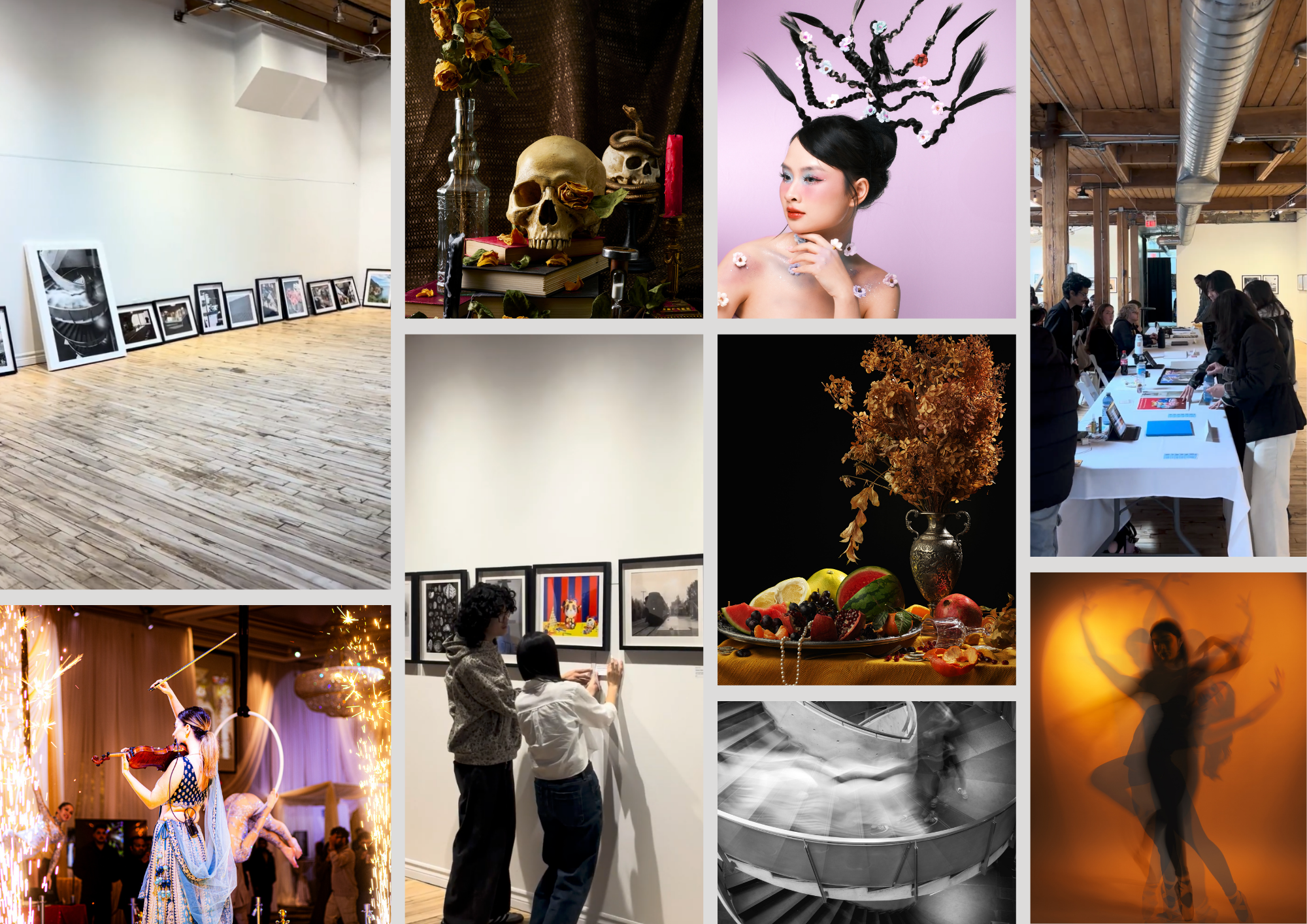
Twist Gallery is excited to present WANDERING, an engaging abstract exhibition featuring the works of eight local artists. Each artist offers a distinct perspective on movement, exploration, and the unknown. With bold colors, textures, and fluid shapes, the exhibit explores themes of curiosity, transformation, and the spirit of wandering beyond the material world. WANDERING invites viewers to dive into the art, uncovering emotional and imaginative layers with every piece.
Twist Gallery is excited to present WANDERING, an engaging abstract exhibition featuring the works of eight local artists. Each artist offers a distinct perspective on movement, exploration, and the unknown. With bold colors, textures, and fluid shapes, the exhibit explores themes of curiosity, transformation, and the spirit of wandering beyond the material world. WANDERING invites viewers to dive into the art, uncovering emotional and imaginative layers with every piece.
adi zur


1. You use newspaper headlines in your paintings. What makes a headline stand out to you when choosing one for your work?
The newspaper headlines that I gravitate towards when making selections for my artwork are those that grab the attention of the heart rather than the mind. When there is a headline that is personal and emotional, as well as symbolic and metaphorical, it resonates with me and becomes a compelling candidate for my canvas.
2. How do you feel your paintings bring a sense of calm in a world full of media and noise?
My artwork is often described as deeply layered — both literally and figuratively. In a similar vein, the sense of calm that my paintings bring to viewers is also layered. On the surface are, most often, calm colours, and the very act of touring the painting with one’s eyes is a meditative experience. Beyond that, the content and messages embedded in the artwork mirrors life itself and as such validates the observer’s own very human experience — leaving one with the calming and reassuring notion that they are not alone.
3. Your background in philosophy and teaching seems unique. How do those experiences influence your art today?
Having a background in both philosophy and teaching influences my art in my efforts to awaken reflexivity and thoughtful contemplation in the viewer — especially in the realm of the abstract. That said, even before I explored philosophy and teaching, I was rooted in expressing the intangible. Rather than choosing to pursue figurative or landscape art, abstract was what spoke to me — even as a child. In fact, when I was in art class in kindergarten a little classmate of mine was dumbfounded by my choice of artistic expression. I painted God, while the rest of my class chose flowers, and family, and pets.
4. You talk about a lost connection to ancient knowledge. How do you hope your art helps people reconnect to that?
Ancient knowledge is replete with those aspects of ourselves that evolved over hundreds of thousands of years: the instinctive, the emotional. Recently, in our modern times, we have moved away from developing those core features of self. By gluing headlines to canvas my artwork grounds us in the contemporary and reminds us that we are severed from the connection to our ancient pasts.
robin potter


1. Where does your story stem from? Have you grown around art or did your passion start as you grow? Is there a certain age you knew for sure this is something you’d want to be doing for the rest of your life – possibly on its own or alongside other things?
I’ve always had a connection to art. It began with an avid interest in literature, dance, and the visual arts. When I was younger I learned classical ballet and pursued degrees in literature, with a strong focus on modernist and contemporary texts and theory. During this time, I also pursued a passion in painting and still have artwork I completed in my teens. Art has always informed my life and similarly my life has informed my artist practice. While I did take a hiatus from painting while pursuing my career and raising a family, I began devoting more time and attention to painting about seven years ago and am now exploring thematic streams.
2.You’ve mentioned that your art explores themes of gravity, organic transformation, and modern life. Why are these themes so central to your work? Is there a personal experience or event that sparked your interest in these concepts?
I was raised in semi-rural Quebec and had an intense connection with nature because that was all that was around me. At the same time, I had an awareness of the progress of civilizations and cultures which I gained early on through literature and more recently through news media. I began to explore the apparent disconnection between technologies and the experience of the natural world through my art by juxtaposing natural, organic forms that are in nascent stages against backgrounds representing constructed environments. Through these paintings I hope to express my deep concern or sense of gravity for the imminent perils brought about by our focus on technologies.
3.Your work often contrasts natural, organic forms with structured, geometric backgrounds. How do you approach this balance in your process, and what do you think it reveals about the intersection of nature and the human-made world?
Most of us work and play with technologies, which are constructs of our modern personal and work lives; they in fact consume much of our attention. When I paint, I feel released from the constraints of computer worlds, and feel that I enter a playground of sorts where I can create and recreate ecological spaces using a variety of materials— human-made and natural. The process of applying materials on the canvas, designing shapes, exploring the themes and currents of weight, sadness, consternation, balance, weightlessness, precariousness, and emergence helps me to feel that somehow I can the defy the gravity that surrounds us.
4.Your work has been showcased in diverse spaces—from the Ontario Legislature to the AGO. How does the setting or context of each exhibition influence the way you present your art and why Twist Gallery?
The setting of each exhibition offers opportunities to create resonances with the art pieces that augment their meanings and sometimes take their significance in different direction. Not only does the space affect how an artwork “glows” but every person who views the work brings with them their own rich interpretation and sentiment. Twist is a beautiful space set in Toronto’s urban landscape. It’s open space gives room for the artwork to breathe, and in the company of the work of other artists, it can create resonances that are at once coincidental and unexpected.
markus moos


1.Your art blends influences from pop-art, surrealism, and graffiti. How do you decide which elements to combine in your pieces?
This is very much an instinctive process. My art rarely starts with a specific plan. I begin by combining colours and shapes which then take me in a particular direction. I let the art guide me in terms of what seems to come together. Each piece has a unique story in terms of its evolution. I am guided by what seems to work visually. There is a lot of trial and error in my work. I think that's critical to the creative process, trying things out and seeing where they lead. I do often look for visual contrast and find ways in which I can use colours and shapes to create patterns that evoke interest by way of contrast.
2. You explore themes like mental illness, identity, and nature in your work. How do these personal experiences shape the way you create art?
My art is deeply personal, and always a reflection of me and my thought patterns, emotions, and so on. I also find the process of creating art very restorative and calming so it's helpful to make art in terms of grounding me during difficult times. Some of my art draws directly on personal experiences for inspiration, other pieces are more indirectly shaped by my own unique circumstances. I also hope my pieces instil a sense of hope through the use of colour and natural images. I live with OCD and social anxiety disorder, and part of the reason I make largely abstract and “messy” art is to overcome perfectionism that can come with these disorders. There is also a lot of emphasis on neurodiversity, non-binary ways of looking at the world, and the importance of rest and contemplation in my art. I like to convey a sense of hope through my work, hope that we are capable of working through difficult times and help each other feel like we all belong. Most of my pieces include many layers, and as such each piece conveys several parts of my own lived experience in some form.
3. How do you know when a piece of art is finished? Is there a specific moment or feeling that tells you it’s done?
There is definitely a feeling that tells me when a piece is done. It's difficult to describe. I can 'just tell' when a piece feels finished. When done, the colours, shapes, and overall composition come together in a way that instills a sense of completion. When a piece is complete, I feel a sense of joy about having brought shapes and colours together in a way that communicates something. My pieces never feel done until they communicate some sort of message that I can get behind. Some pieces are finished relatively quickly but most come about over a longer period of time, working on them in many sessions. Because I work with digital art, there is also flexibility to combine previously unfinished and finished pieces into new ones.
4. As a self-taught artist and urban planning professor, how do your two worlds influence each other? Does your background in planning impact how you approach your art?
The two worlds definitely shape each other. At first, it was my interest in visuals and communication in urban planning that brought out my art. Some of my art is directly shaped by academic research projects, for instance on the changing nature of cities, the importance of high-quality public space, and the role of high-rises in our communities. Art also shapes my academic work in that it has given me a greater appreciation for unstructured processes. I tend to be much more goal oriented in my academic work whereas I am more inclined to let my art evolve on its own. There is a healthy tension between these two worlds, I think, that continues to allow me to move forward and grow but not in an overly deterministic way. Ultimately urban planning is about how to shape our communities and my art tries to capture various parts of our natural and built forms in new ways.
Briggite Boulay


1.Your work draws inspiration from the idea of wandering through the forest and seeking a deeper connection with nature. What personal experiences or memories from your own life have influenced this theme?
I have always felt a deep connection with nature and animals. I was born sensitive to the environment around me and learned to seek peaceful places from a young age. The world can be a very noisy place! Nature and the arts have been consistent interests in my life, which help me stay grounded. Some notable experiences in nature include gardening with my grandmother, canoeing through Algonquin Park, swimming with turtles in the Caribbean, jumping off a cliff in Jamaica, and taking in all the colourful flowers and natural scenery during my travels in Europe & Canada.
2.You mention the powerful impact Chris McCandless’ story had on you, especially with Eddie Vedder’s soundtrack. How does music play a role in your creative process, and do you have other pieces that have been influenced by music in a similar way?
For as long as I can remember, music has been an integral part of my life. Coming from a family of professional musicians, I've been exposed to a wide array of styles and instruments. When beautiful poetry is set to music, the words come alive, breathing into your soul and touching something deep inside. Being naturally sensitive, I feel the power of music profoundly. An artist's work, from their lyrics to the instruments they choose, creates something so special that it resonates within me, inspiring me to create in their honour. For instance, my piece entitled "Jeremy" was created for Jeremy Dutcher, a classically trained Canadian Indigenous tenor, composer, musicologist, performer and activist. He honored his people with his angelic voice and incredible compositions, transforming something sacred into an extraordinary musical experience.
3.In your artist statement, you talk about escaping to discover who you really are. How does creating art allow you to explore and express that deeper sense of self?
When you create, you are engaging in a deeply sensory experience. You must delve into not just the intricate details, but what inspired you to create. While knowing the artistic rules and guidelines is important, what truly makes art resonate is capturing that elusive feeling – that unique place only you know and have now shared with the world. It involves embracing what takes your breath away, both the good and the bad. Through art, I am communicating from my soul and discovering what drives my creative expressions. From the beauty of flowers and trees to activism and the continuous expansion of my artistic styles, I am growing and speaking to you through these experiences.
4.Your professional journey includes formal education, workshops, and private lessons. How have these different learning experiences shaped the way you approach your art today?
If you look closely, you’ll notice elements of folk art, palette knife techniques, brush work, fabric sculpting, paper arts, and more. As a little girl, my mother would take me along on her many artistic adventures. Since then, it's been a continuous journey of nurturing my artistic curiosity. I took my first painting classes with my mom when I was 11 years old. I believe that each piece I create embodies a part of everything I’ve learned, all stored in my creative reservoir.
Robert Ross


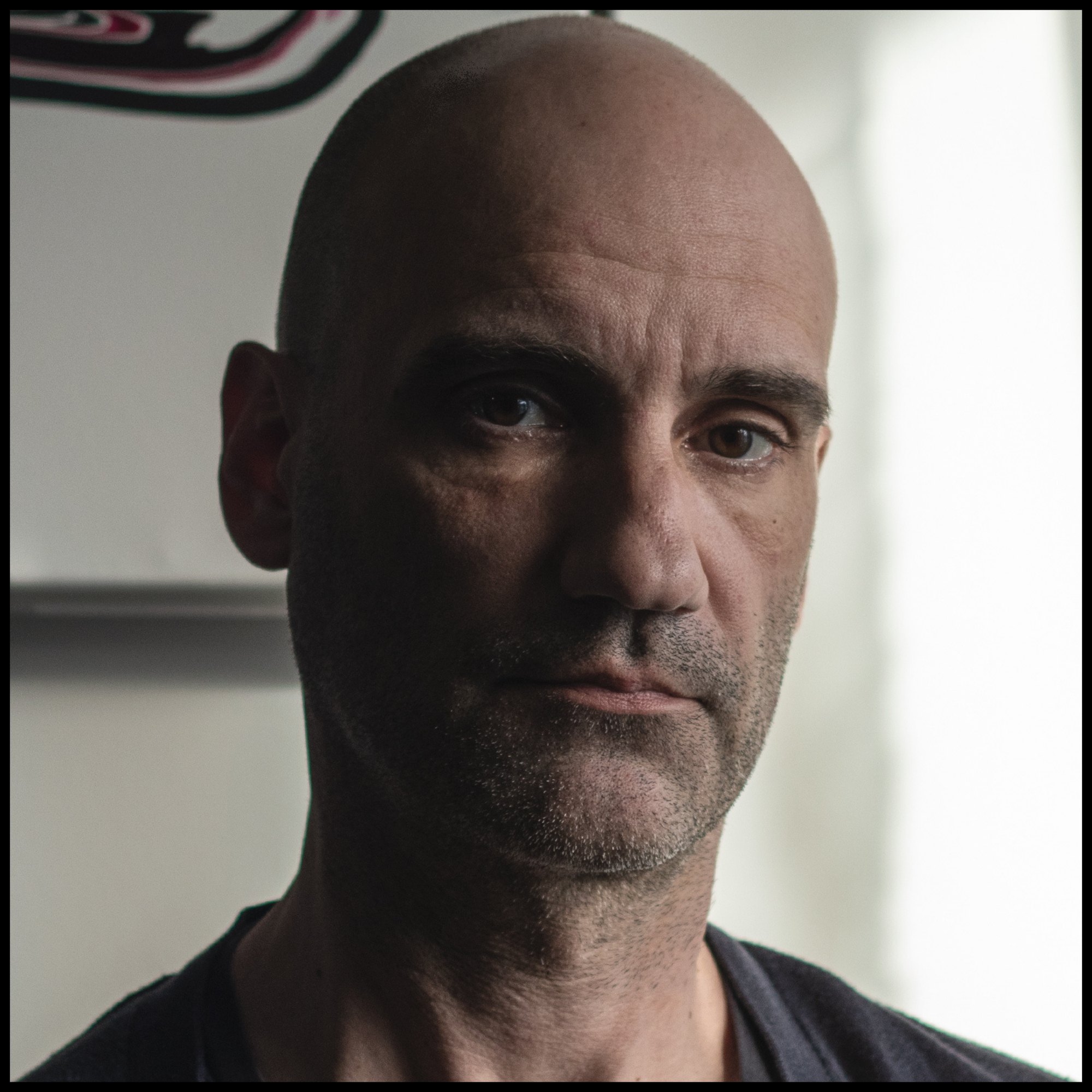
1.Your art is all about the movement and interaction of colours. Can you explain the process you use to create these effects and what draws you to this approach?
Executing this process requires careful control to keep the colours on the canvas. Achieving a thick, viscous consistency of paint is crucial to create elaborate lines and edges. Imagine the canvas laid flat, an arrangement of colours poised to mix, as the pigments move and converge by way of gravity, intricate details are created almost organically. The delicate threads of colour positioned side by side and other details make each piece impossible to replicate by hand. They will always remain genuinely unique. Additionally because these works are genuine abstractions that don’t represent any specific form, they can have lasting impact. Each day, a viewer may observe new details, keeping the experience of the artwork fresh and captivating for years to come.
2.You’ve been experimenting with your style since 1998. How has your work evolved over the years, and what keeps you inspired to refine your technique?
The pursuit of perfection is a significant motivating factor for me. I aim to create an iconic looking piece that resonates with viewers. My work has evolved through adding colours, experimenting with various colour combinations, and learning to maintain control of the free-moving paint.
3.One viewer described your artwork as "looking at God.” How do you feel when people have such deep, personal reactions to your work?
I believe these works can enhance any empty wall but I am always amazed and flattered when someone expresses interest in acquiring one.
4.Each piece has a unique title like "Requite" and "Myopia." Can you share the stories or ideas behind some of these names and how they relate to the artwork?
The titles are chosen based on the beauty of the arranged letters — not their meaning, but their visual appeal. Similarly, the paintings focus on the beauty of the paint itself, rather than trying to convey an impression of something else.
Roxana Bahrami


1.Your work focuses on the resilience and adaptability of natural ecosystems. How do you personally relate to these themes, and how do they shape the way you approach your art?
For me, resilience and flexibility are essential not just in nature but also in art and life. As a self-taught artist, I’ve learned to embrace challenges, adapt, and grow through experimentation. My journey with pointillism has been one of patience and persistence — building intricate dot by dot mirrors the steady resilience found in nature. Just as water carves its path over time or forests regenerate, my creative process requires trust, adaptability, and an openness to change. Fluidity reflects these values, reminding me that both in art and in life, we thrive when we allow ourselves to evolve with our surroundings.
2.Pointillism requires incredible patience and precision. What is it about the process of building an image one dot at a time that resonates with you, and how does it reflect your approach to life or mindfulness?
Pointillism has taught me patience, presence, and the beauty of intentional slow creation. Each dot requires focus, yet the full image only emerges over time — just like in life, where small, consistent actions lead to meaningful outcomes. This approach extends beyond my art; it shapes how I navigate challenges, embracing the process rather than rushing to the result. Mindfulness is at the heart of my practice, as placing each dot becomes a meditative act, grounding me in the present moment. Through my workshops, I encourage others to experience this mindful rhythm, using art as a tool for relaxation, self-expression, and inner balance."
3.In your "Fluidity" series, you explore the interconnectedness of environmental elements. Can you share how you translate the complex dynamics of nature into the textured, detailed style of pointillism?
I hope when viewers experience Fluidity and my dot painting pieces, they feel a sense of calm, curiosity, and connection. The intricate details and layered textures invite them to slow down, observe, and immerse themselves in the rhythm of the artwork — much like nature itself encourages us to pause and reflect. Through Fluidity’s movements I want to evoke a feeling of balance and harmony, reminding viewers of the quiet resilience and beauty found in natural ecosystems. Many have shared that my work brings them a meditative or even therapeutic experience, which resonates deeply with my belief that art can be a form of mindfulness. Ultimately, I hope my pieces inspire a greater appreciation for both art and the natural world, encouraging a moment of stillness in our fast-paced lives."
Kareen Hague


1. Your art mixes realism and impressionism. How do you decide when to use one style over the other?
I like to have the viewer look at the painting and imagine what they see. What they see will come from their life experiences. My hope is that the painting will remind them of a place that they have been or remind them of a feeling they had at some point in time. I want the paintings to have a realistic feel with an impressionistic blend of colour. When you get up close and really look at the marks of the painting, it is hard to imagine what it is until you step back and the image reveals itself.
2. Nature is a big inspiration for you. What is it about birch trees, lakes, and wildflowers that draws you in?
I love birch trees because they are a symbol of new beginnings and they have an amazing ability to renew. I started painting my signature birch trees at a time of new beginnings. They provide me with hope for the future.
The tree is known to carry ancient wisdom and yet appears forever young. I love this! I also love water and just sitting and listening and watching the sparkle. You can see so many colours. The water can be calm or raging waves, it is always peaceful. And wildflowers are just beautiful. I can sit and watch them sway in the wind for hours. I like to represent them abstractly in my landscape paintings or paint them so that the viewer feels that they are sitting right in the field.
3. You use a mix of tools in your work. Is there one tool or technique you love most for creating texture?
I use many different items to add random marks and colour to the paintings. Scraps of plastic, cardboard, old worn out brushes, rollers, plastic bags. I find that the unusual marks really help to allow the under layers of colour to show through because of the textural background. My favourite might be adding marks with the side of an old worn out brush.
4. You talk about seeing beyond the surface in nature. What do you hope people notice when they look at your art?
Seeing beyond the surface really is what the viewer experiences from the painting. What field or view or time of their life does it remind them of, beyond the visual view of the painting. When I am walking in nature, I find you can look directly beside you or you can look through the foliage and imagine what is deep in the woods or far beyond the field in view.
Shawn-Paul Thompson


1.Your journey from corporate life to pursuing art is inspiring. How did that transition unfold for you, and what challenges did you face in shifting from a structured environment to the freedom of creative expression?
The transition to a more art inspired focus is ongoing, as a balance a full-time role in Film Distribution, and pursue my art career. Since I work in the entertainment industry, there are creative components which compliment my work in art, and give me the skills I need to market, submit and present my art in a professional, yet creative and artistic way.
2.You describe your work as having a sense of movement and resilience. How do you translate those feelings of motion and transformation into your abstract pieces, and do they evolve as you work on them?
I use the words movement & resilience, because I am always building and removing components to find the abstract story. I have the luxury of a home studio, so I can work on my art whenever I am inspired. There are lots of circles and movement in my pieces. I like a story that is moving towards my next adventure in life, and on the canvas. I know when a painting is done; I feel it. Sometimes the story reveals itself early, sometimes the process takes months.
3.As an artist who's embraced both solo shows and online platforms, how do you feel about the intersection of traditional gallery exhibitions and the digital art world? How has building an e-commerce platform influenced the way you connect with your audience?
My signature shows are solo ones, and in a non-traditional environment, that opens art to a larger audience. Making art approachable is key to expanding your buyer or client. E-commerce and digital platforms, magazines, and galleries expand your audience internationally. More eyes on your work, and your name. As an artist, I want to meet my client and for us to have a connection. A part of me will be in their home or office, so it is nice to have a personal connection with the artist and their work. As a marketing tool, digital arenas expand your reach, they can't duplicate a gallery, or a physical connection to the art.
Visit our WANDERING exhibit from February 1st - April 27th, 2025. Meet all of the above artists in person at our opening reception for the exhibit on Feb. 27th from 6-9pm.
Surfacing Opening Reception: A Huge Success!
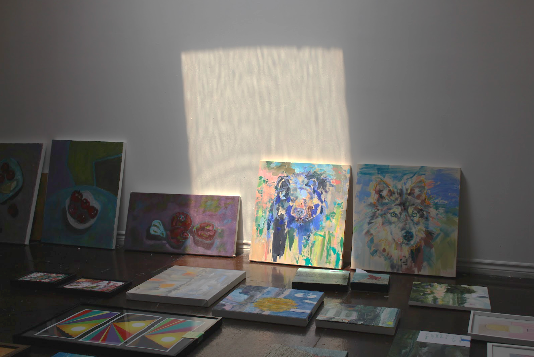
Our opening reception was a huge success on Thursday, June 2nd! We curated a space that encapsulates the spirit of PROJECT ART TORONTO and it turned out looking amazing..
Our opening reception was a huge success on Thursday, June 2nd! We curated a space that encapsulates the spirit of PROJECT ART TORONTO and it turned out looking amazing. The Surfacing Exhibit displays passion, hard work, collaboration, and creativity. Ewa Stryjnik is the director of PROJECT ART TORONTO, an art studio where artists can rent the space, attend art classes, or workshops.
The turn out was amazing and we just wanted to thank everyone for coming! This event brought together many people around the Queen West community to acknowledge the result of expression and skill. We were pleased to host such a meaningful experience for our amazing guests and artists.

The Surfacing Exhibit is showing 21 studio artists’ supportive and passionate work, most of which were created during the times of Covid-19. Their pieces represent a time when the group encouraged each other to create, explore, and grow.
While the art was observed, our community was achieving something much more meaningful, a night of face to face communication and personal connection. Something many have lost within the past few years.
Our own Twist Gallery communications team showed up to the event in support of Twist Gallery because we love seeing the gallery filled with art and art lovers!

We are so pleased to be a part of PROJECT ART TORONTO’s exhibit and allow them to use our space to display their Surfacing pieces. It was an absolute pleasure working with a larger team this month. While we are not often approached by groups, this community allowed for an easy transition and cohesive selection of pieces to work with. PROJECT ART TORONTO utilized our space and gave us something to really admire: their passion and hard work. Ewa and PROJECT ART TORONTO’s studio artists truly love being artists and they inspire our audience to start a passion of their own, whether that be art or anything you are passionate about.
The artists also came together during the Opening Reception to surprise Ewa with flowers and a card to show their appreciation!

Ewa Stryjnik not only inspires artists to continue their passion for art. But guides each artist to maximize their creative potential. This was perfectly displayed during our installation day and throughout our Opening Reception. Styjnik’s energy churned our blank canvas gallery into a perfectly curated template for students to display their art and a cohesive journey for patrons to participate in. While she envisioned where each piece thrived, she communicated that to her students and worked with them to find a balance between visual satisfaction and the space as a whole.

We would just like to say thank you again for coming to the Surfacing Opening Reception! We had a great time, and we hope you had a great time as well! The Surfacing Exhibit is open until June 25th, so if you missed the Opening Reception don’t worry, come experience Surfacing at Twist Gallery all month long at 1100 Queen Street West. We are open every Tuesday-Friday from 11:00am-6:00pm and Saturday from 11:00am-4:00pm.
Looking forward to seeing you again and hearing your thoughts on the Surfacing Exhibit!
June ‘Surfacing’ Group Exhibit with PROJECT ART TORONTO
This June, Twist Gallery is excited to partner with PROJECT ART TORONTO to showcase the ‘Surfacing’ Group Exhibit. ‘Surfacing’ will showcase art from 21 studio artists, created during the two years of Covid-19. ‘Surfacing’ is about strength, hard work and supportive camaraderie..
This June, Twist Gallery is excited to partner with PROJECT ART TORONTO to showcase the ‘Surfacing’ Group Exhibit. ‘Surfacing’ will showcase art from 21 studio artists, created during the two years of Covid-19. ‘Surfacing’ is about strength, hard work and supportive camaraderie. The exhibit will run from June 2nd- 25th, 2022. ‘Surfacing’ will be having an Opening Reception at Twist Gallery on June 2nd, at 6pm- 9pm. Meet the artists and supporters of PROJECT ART TORONTO and Twist Gallery. The Opening Reception and exhibit are both free to attend.
Ewa Stryjnik is PROJECT ART TORONTO’s director since the studio opened in May 2010. PROJECT ART TORONTO is an art studio that offers classes, workshops and studio spaces for artists to work on their own. “The studio is alive 24/7. PROJECT ART is an unfolding art pursuit,” Ewa says.
Photo by PROJECT ART TORONTO.
We had a conversation with Ewa and she shared a little more about PROJECT ART TORONTO and what ‘Surfacing’ means to her.
Twist Gallery: Why was PROJECT ART TORONTO started?
Ewa: For about 10 years, I was an art instructor at the Art Gallery of Ontario School of Art.
In 2010, AGO School of Art received funding to renovate the school and all instructors, including myself, were laid off. My students encouraged me to find a new space where they could continue painting. In May 2010, PROJECT ART TORONTO was born.
Twist Gallery: Can you explain what PROJECT ART TORONTO is?
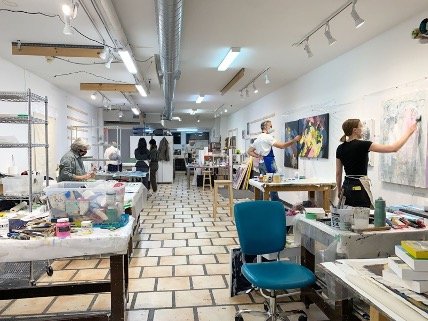
Ewa: PROJECT ART TORONTO is an art studio where students and artists can develop their paintings independently with guidance and suggestions from instructor Ewa Stryjnik. For years we offered structured classes but since most of the artists continued attending classes, it naturally evolved into an Open Studio practice where artists can experiment with different techniques and develop their own styles. There are scheduled Open Studio classes as well as the option to rent a studio space on a daily, weekly or on monthly basis.
PROJECT ART TORONTO occasionally invites artist instructors to teach workshops. Instructors can rent our studio by the hour to teach workshops and/or classes. It’s a great way to share our space and for students to learn new perspectives and approaches. Our studio welcomes students and artists of all ages and we greatly value the camaraderie and support of our studio artists.
Twist Gallery: What does art mean to you as the director of PROJECT ART TORONTO?
Ewa: My biggest passion is to discover and point out the natural, creative talent in every person. Everyone is unique and should be proud of their own style and ideas. Secondly, I like to motivate all my artists to work hard and have a disciplined routine to master their technique and style. As I often say: “Passion to start, work to achieve.”

Photo by PROJECT ART TORONTO.
Twist Gallery: What does Project Art mean to you as the director?
Ewa: It means an Artist Studio! I’m happy that we have the space where we can paint, gather, chat, have classes, workshops and studio spaces for artists to work on their own. The studio is alive 24/7. Project art is an unfolding art pursuit. Also, I’m very grateful for all the friendships that developed throughout the years. In a way, our studio is our life and time capsule. A safe place where we can escape to and find a supportive camaraderie.
Twist Gallery: When did the artists paint the ‘Surfacing’ exhibit artwork?
Ewa: Most of the paintings were created during the Covid times. The lockdowns allowed the artists to paint more. Our group encouraged each other to create, explore and grow.

Photo by PROJECT ART TORONTO.
Twist Gallery: Can you explain how the ‘Surfacing’ artwork represents irrepressible creativity, undeterred spirit and a commonality of strength?
Ewa: During the uncertain times of Covid, we pulled ourselves together. In our commonality of strength, we focused on painting and improving our techniques. Painting became a positive outlet, a haven from the anxieties of the outside world. We realized that the beauty of art is very much needed these days. I hope that the paintings in our group exhibition ‘Surfacing,’ will showcase and celebrate that beauty and positivity of life and humanity.
Twist Gallery: How do you feel about Twist Gallery partnering with PROJECT ART TORONTO?
Ewa: It’s so great that venues like Twist Gallery exist. It is a beautiful, very cool gallery-event space that is large enough to host our group exhibition. We’re very grateful that Twist Gallery rents their space to the local artists allowing us to share our art with a new audience. I hope that our paintings will brighten up many lives and that we’ll be able to exhibit at Twist Gallery in the future. It is a pleasure to work with Twist Gallery art director Nadia Kakridonis and her team.
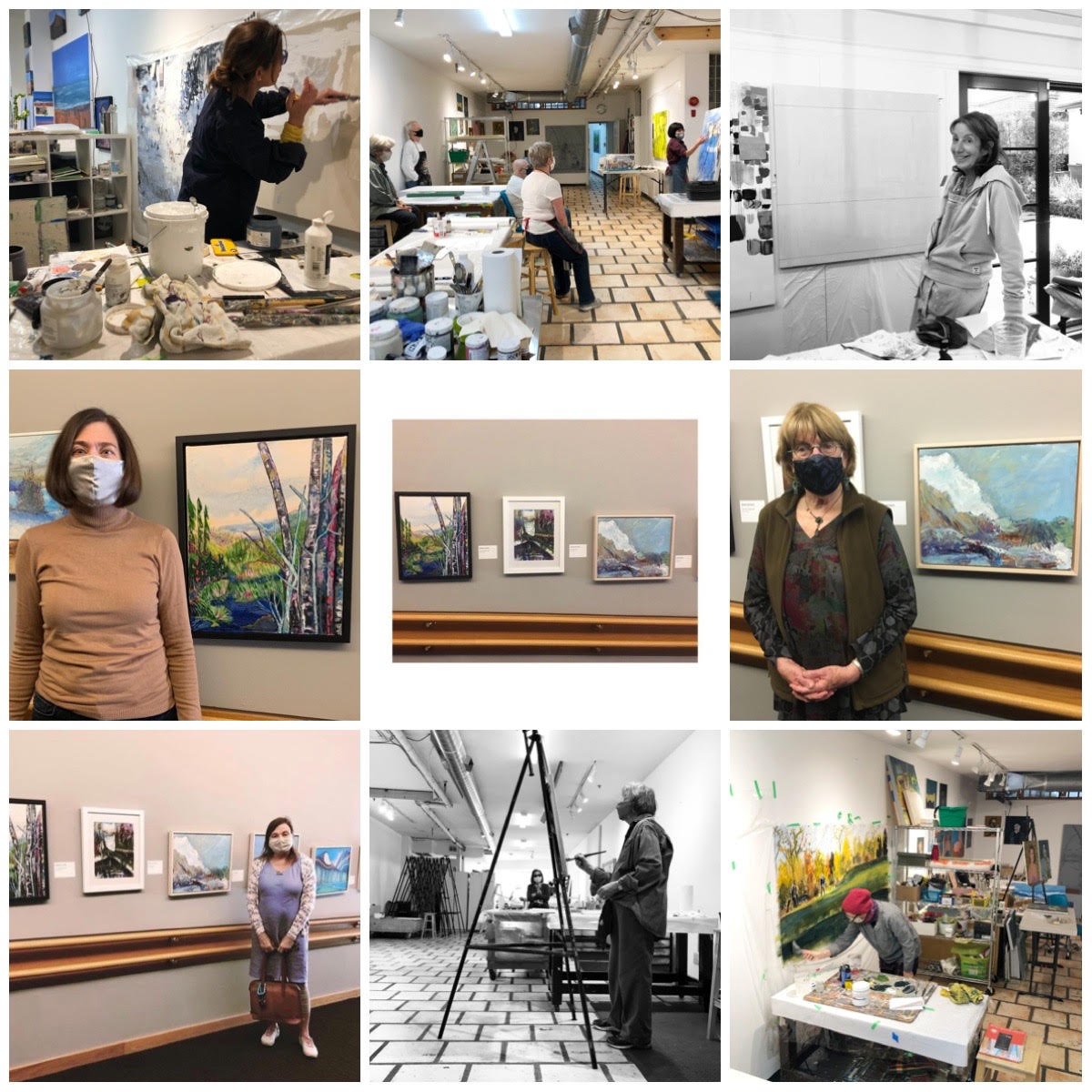
Photo by PROJECT ART TORONTO.
The 21 featuring ‘Surfacing’ artists are: Peggy Bell, Zora Bily, Maureen Bradshaw, Jeff Briggs, Geoffrey Cheung, Donna Chudnow, Marlene Etherington, Vian Ewart, Liz Haney, Andrea Higgins, Lisa Litowitz, Katharine Lochnan, Larissa Mattwich, Diana Menzies, Wendy Robertson, Janna Robins-Walters, Lisa Rose, Javier Silva, Linda Snowden, Ewa Stryjnik, and Selina Waxman.
We are so excited to be partnering with PROJECT ART TORONTO for the ‘Surfacing’ group exhibit. ‘Surfacing’ is about 21 studio artist’s passion and hard work. Even in difficult times, the artists encouraged each other to create, explore and grow. Experience ‘Surfacing’ in person, opening June 2nd- 25th, 2022 at Twist Gallery. Don’t miss your chance to meet the artists, attend the Opening Reception June 2nd, at 6pm- 9pm. Twist Gallery is open Tuesday- Friday, 11am- 6pm, and Saturdays 11am- 4pm.