"WANDERING" GET TO KNOW THE ARTISTS
Twist Gallery is excited to present WANDERING, an engaging abstract exhibition featuring the works of eight local artists. Each artist offers a distinct perspective on movement, exploration, and the unknown. With bold colors, textures, and fluid shapes, the exhibit explores themes of curiosity, transformation, and the spirit of wandering beyond the material world. WANDERING invites viewers to dive into the art, uncovering emotional and imaginative layers with every piece.
Twist Gallery is excited to present WANDERING, an engaging abstract exhibition featuring the works of eight local artists. Each artist offers a distinct perspective on movement, exploration, and the unknown. With bold colors, textures, and fluid shapes, the exhibit explores themes of curiosity, transformation, and the spirit of wandering beyond the material world. WANDERING invites viewers to dive into the art, uncovering emotional and imaginative layers with every piece.
adi zur


1. You use newspaper headlines in your paintings. What makes a headline stand out to you when choosing one for your work?
The newspaper headlines that I gravitate towards when making selections for my artwork are those that grab the attention of the heart rather than the mind. When there is a headline that is personal and emotional, as well as symbolic and metaphorical, it resonates with me and becomes a compelling candidate for my canvas.
2. How do you feel your paintings bring a sense of calm in a world full of media and noise?
My artwork is often described as deeply layered — both literally and figuratively. In a similar vein, the sense of calm that my paintings bring to viewers is also layered. On the surface are, most often, calm colours, and the very act of touring the painting with one’s eyes is a meditative experience. Beyond that, the content and messages embedded in the artwork mirrors life itself and as such validates the observer’s own very human experience — leaving one with the calming and reassuring notion that they are not alone.
3. Your background in philosophy and teaching seems unique. How do those experiences influence your art today?
Having a background in both philosophy and teaching influences my art in my efforts to awaken reflexivity and thoughtful contemplation in the viewer — especially in the realm of the abstract. That said, even before I explored philosophy and teaching, I was rooted in expressing the intangible. Rather than choosing to pursue figurative or landscape art, abstract was what spoke to me — even as a child. In fact, when I was in art class in kindergarten a little classmate of mine was dumbfounded by my choice of artistic expression. I painted God, while the rest of my class chose flowers, and family, and pets.
4. You talk about a lost connection to ancient knowledge. How do you hope your art helps people reconnect to that?
Ancient knowledge is replete with those aspects of ourselves that evolved over hundreds of thousands of years: the instinctive, the emotional. Recently, in our modern times, we have moved away from developing those core features of self. By gluing headlines to canvas my artwork grounds us in the contemporary and reminds us that we are severed from the connection to our ancient pasts.
robin potter


1. Where does your story stem from? Have you grown around art or did your passion start as you grow? Is there a certain age you knew for sure this is something you’d want to be doing for the rest of your life – possibly on its own or alongside other things?
I’ve always had a connection to art. It began with an avid interest in literature, dance, and the visual arts. When I was younger I learned classical ballet and pursued degrees in literature, with a strong focus on modernist and contemporary texts and theory. During this time, I also pursued a passion in painting and still have artwork I completed in my teens. Art has always informed my life and similarly my life has informed my artist practice. While I did take a hiatus from painting while pursuing my career and raising a family, I began devoting more time and attention to painting about seven years ago and am now exploring thematic streams.
2.You’ve mentioned that your art explores themes of gravity, organic transformation, and modern life. Why are these themes so central to your work? Is there a personal experience or event that sparked your interest in these concepts?
I was raised in semi-rural Quebec and had an intense connection with nature because that was all that was around me. At the same time, I had an awareness of the progress of civilizations and cultures which I gained early on through literature and more recently through news media. I began to explore the apparent disconnection between technologies and the experience of the natural world through my art by juxtaposing natural, organic forms that are in nascent stages against backgrounds representing constructed environments. Through these paintings I hope to express my deep concern or sense of gravity for the imminent perils brought about by our focus on technologies.
3.Your work often contrasts natural, organic forms with structured, geometric backgrounds. How do you approach this balance in your process, and what do you think it reveals about the intersection of nature and the human-made world?
Most of us work and play with technologies, which are constructs of our modern personal and work lives; they in fact consume much of our attention. When I paint, I feel released from the constraints of computer worlds, and feel that I enter a playground of sorts where I can create and recreate ecological spaces using a variety of materials— human-made and natural. The process of applying materials on the canvas, designing shapes, exploring the themes and currents of weight, sadness, consternation, balance, weightlessness, precariousness, and emergence helps me to feel that somehow I can the defy the gravity that surrounds us.
4.Your work has been showcased in diverse spaces—from the Ontario Legislature to the AGO. How does the setting or context of each exhibition influence the way you present your art and why Twist Gallery?
The setting of each exhibition offers opportunities to create resonances with the art pieces that augment their meanings and sometimes take their significance in different direction. Not only does the space affect how an artwork “glows” but every person who views the work brings with them their own rich interpretation and sentiment. Twist is a beautiful space set in Toronto’s urban landscape. It’s open space gives room for the artwork to breathe, and in the company of the work of other artists, it can create resonances that are at once coincidental and unexpected.
markus moos


1.Your art blends influences from pop-art, surrealism, and graffiti. How do you decide which elements to combine in your pieces?
This is very much an instinctive process. My art rarely starts with a specific plan. I begin by combining colours and shapes which then take me in a particular direction. I let the art guide me in terms of what seems to come together. Each piece has a unique story in terms of its evolution. I am guided by what seems to work visually. There is a lot of trial and error in my work. I think that's critical to the creative process, trying things out and seeing where they lead. I do often look for visual contrast and find ways in which I can use colours and shapes to create patterns that evoke interest by way of contrast.
2. You explore themes like mental illness, identity, and nature in your work. How do these personal experiences shape the way you create art?
My art is deeply personal, and always a reflection of me and my thought patterns, emotions, and so on. I also find the process of creating art very restorative and calming so it's helpful to make art in terms of grounding me during difficult times. Some of my art draws directly on personal experiences for inspiration, other pieces are more indirectly shaped by my own unique circumstances. I also hope my pieces instil a sense of hope through the use of colour and natural images. I live with OCD and social anxiety disorder, and part of the reason I make largely abstract and “messy” art is to overcome perfectionism that can come with these disorders. There is also a lot of emphasis on neurodiversity, non-binary ways of looking at the world, and the importance of rest and contemplation in my art. I like to convey a sense of hope through my work, hope that we are capable of working through difficult times and help each other feel like we all belong. Most of my pieces include many layers, and as such each piece conveys several parts of my own lived experience in some form.
3. How do you know when a piece of art is finished? Is there a specific moment or feeling that tells you it’s done?
There is definitely a feeling that tells me when a piece is done. It's difficult to describe. I can 'just tell' when a piece feels finished. When done, the colours, shapes, and overall composition come together in a way that instills a sense of completion. When a piece is complete, I feel a sense of joy about having brought shapes and colours together in a way that communicates something. My pieces never feel done until they communicate some sort of message that I can get behind. Some pieces are finished relatively quickly but most come about over a longer period of time, working on them in many sessions. Because I work with digital art, there is also flexibility to combine previously unfinished and finished pieces into new ones.
4. As a self-taught artist and urban planning professor, how do your two worlds influence each other? Does your background in planning impact how you approach your art?
The two worlds definitely shape each other. At first, it was my interest in visuals and communication in urban planning that brought out my art. Some of my art is directly shaped by academic research projects, for instance on the changing nature of cities, the importance of high-quality public space, and the role of high-rises in our communities. Art also shapes my academic work in that it has given me a greater appreciation for unstructured processes. I tend to be much more goal oriented in my academic work whereas I am more inclined to let my art evolve on its own. There is a healthy tension between these two worlds, I think, that continues to allow me to move forward and grow but not in an overly deterministic way. Ultimately urban planning is about how to shape our communities and my art tries to capture various parts of our natural and built forms in new ways.
Briggite Boulay


1.Your work draws inspiration from the idea of wandering through the forest and seeking a deeper connection with nature. What personal experiences or memories from your own life have influenced this theme?
I have always felt a deep connection with nature and animals. I was born sensitive to the environment around me and learned to seek peaceful places from a young age. The world can be a very noisy place! Nature and the arts have been consistent interests in my life, which help me stay grounded. Some notable experiences in nature include gardening with my grandmother, canoeing through Algonquin Park, swimming with turtles in the Caribbean, jumping off a cliff in Jamaica, and taking in all the colourful flowers and natural scenery during my travels in Europe & Canada.
2.You mention the powerful impact Chris McCandless’ story had on you, especially with Eddie Vedder’s soundtrack. How does music play a role in your creative process, and do you have other pieces that have been influenced by music in a similar way?
For as long as I can remember, music has been an integral part of my life. Coming from a family of professional musicians, I've been exposed to a wide array of styles and instruments. When beautiful poetry is set to music, the words come alive, breathing into your soul and touching something deep inside. Being naturally sensitive, I feel the power of music profoundly. An artist's work, from their lyrics to the instruments they choose, creates something so special that it resonates within me, inspiring me to create in their honour. For instance, my piece entitled "Jeremy" was created for Jeremy Dutcher, a classically trained Canadian Indigenous tenor, composer, musicologist, performer and activist. He honored his people with his angelic voice and incredible compositions, transforming something sacred into an extraordinary musical experience.
3.In your artist statement, you talk about escaping to discover who you really are. How does creating art allow you to explore and express that deeper sense of self?
When you create, you are engaging in a deeply sensory experience. You must delve into not just the intricate details, but what inspired you to create. While knowing the artistic rules and guidelines is important, what truly makes art resonate is capturing that elusive feeling – that unique place only you know and have now shared with the world. It involves embracing what takes your breath away, both the good and the bad. Through art, I am communicating from my soul and discovering what drives my creative expressions. From the beauty of flowers and trees to activism and the continuous expansion of my artistic styles, I am growing and speaking to you through these experiences.
4.Your professional journey includes formal education, workshops, and private lessons. How have these different learning experiences shaped the way you approach your art today?
If you look closely, you’ll notice elements of folk art, palette knife techniques, brush work, fabric sculpting, paper arts, and more. As a little girl, my mother would take me along on her many artistic adventures. Since then, it's been a continuous journey of nurturing my artistic curiosity. I took my first painting classes with my mom when I was 11 years old. I believe that each piece I create embodies a part of everything I’ve learned, all stored in my creative reservoir.
Robert Ross


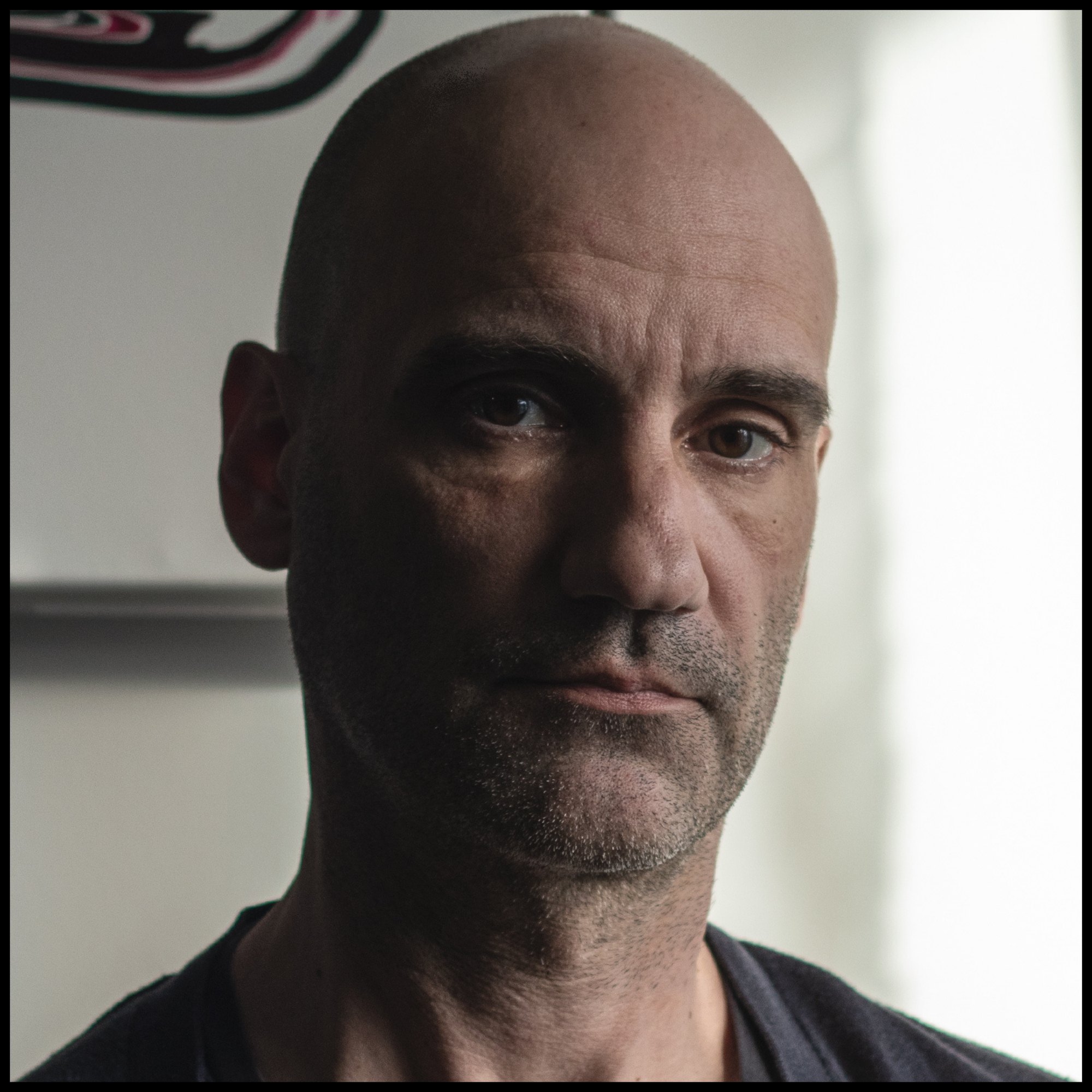
1.Your art is all about the movement and interaction of colours. Can you explain the process you use to create these effects and what draws you to this approach?
Executing this process requires careful control to keep the colours on the canvas. Achieving a thick, viscous consistency of paint is crucial to create elaborate lines and edges. Imagine the canvas laid flat, an arrangement of colours poised to mix, as the pigments move and converge by way of gravity, intricate details are created almost organically. The delicate threads of colour positioned side by side and other details make each piece impossible to replicate by hand. They will always remain genuinely unique. Additionally because these works are genuine abstractions that don’t represent any specific form, they can have lasting impact. Each day, a viewer may observe new details, keeping the experience of the artwork fresh and captivating for years to come.
2.You’ve been experimenting with your style since 1998. How has your work evolved over the years, and what keeps you inspired to refine your technique?
The pursuit of perfection is a significant motivating factor for me. I aim to create an iconic looking piece that resonates with viewers. My work has evolved through adding colours, experimenting with various colour combinations, and learning to maintain control of the free-moving paint.
3.One viewer described your artwork as "looking at God.” How do you feel when people have such deep, personal reactions to your work?
I believe these works can enhance any empty wall but I am always amazed and flattered when someone expresses interest in acquiring one.
4.Each piece has a unique title like "Requite" and "Myopia." Can you share the stories or ideas behind some of these names and how they relate to the artwork?
The titles are chosen based on the beauty of the arranged letters — not their meaning, but their visual appeal. Similarly, the paintings focus on the beauty of the paint itself, rather than trying to convey an impression of something else.
Roxana Bahrami


1.Your work focuses on the resilience and adaptability of natural ecosystems. How do you personally relate to these themes, and how do they shape the way you approach your art?
For me, resilience and flexibility are essential not just in nature but also in art and life. As a self-taught artist, I’ve learned to embrace challenges, adapt, and grow through experimentation. My journey with pointillism has been one of patience and persistence — building intricate dot by dot mirrors the steady resilience found in nature. Just as water carves its path over time or forests regenerate, my creative process requires trust, adaptability, and an openness to change. Fluidity reflects these values, reminding me that both in art and in life, we thrive when we allow ourselves to evolve with our surroundings.
2.Pointillism requires incredible patience and precision. What is it about the process of building an image one dot at a time that resonates with you, and how does it reflect your approach to life or mindfulness?
Pointillism has taught me patience, presence, and the beauty of intentional slow creation. Each dot requires focus, yet the full image only emerges over time — just like in life, where small, consistent actions lead to meaningful outcomes. This approach extends beyond my art; it shapes how I navigate challenges, embracing the process rather than rushing to the result. Mindfulness is at the heart of my practice, as placing each dot becomes a meditative act, grounding me in the present moment. Through my workshops, I encourage others to experience this mindful rhythm, using art as a tool for relaxation, self-expression, and inner balance."
3.In your "Fluidity" series, you explore the interconnectedness of environmental elements. Can you share how you translate the complex dynamics of nature into the textured, detailed style of pointillism?
I hope when viewers experience Fluidity and my dot painting pieces, they feel a sense of calm, curiosity, and connection. The intricate details and layered textures invite them to slow down, observe, and immerse themselves in the rhythm of the artwork — much like nature itself encourages us to pause and reflect. Through Fluidity’s movements I want to evoke a feeling of balance and harmony, reminding viewers of the quiet resilience and beauty found in natural ecosystems. Many have shared that my work brings them a meditative or even therapeutic experience, which resonates deeply with my belief that art can be a form of mindfulness. Ultimately, I hope my pieces inspire a greater appreciation for both art and the natural world, encouraging a moment of stillness in our fast-paced lives."
Kareen Hague


1. Your art mixes realism and impressionism. How do you decide when to use one style over the other?
I like to have the viewer look at the painting and imagine what they see. What they see will come from their life experiences. My hope is that the painting will remind them of a place that they have been or remind them of a feeling they had at some point in time. I want the paintings to have a realistic feel with an impressionistic blend of colour. When you get up close and really look at the marks of the painting, it is hard to imagine what it is until you step back and the image reveals itself.
2. Nature is a big inspiration for you. What is it about birch trees, lakes, and wildflowers that draws you in?
I love birch trees because they are a symbol of new beginnings and they have an amazing ability to renew. I started painting my signature birch trees at a time of new beginnings. They provide me with hope for the future.
The tree is known to carry ancient wisdom and yet appears forever young. I love this! I also love water and just sitting and listening and watching the sparkle. You can see so many colours. The water can be calm or raging waves, it is always peaceful. And wildflowers are just beautiful. I can sit and watch them sway in the wind for hours. I like to represent them abstractly in my landscape paintings or paint them so that the viewer feels that they are sitting right in the field.
3. You use a mix of tools in your work. Is there one tool or technique you love most for creating texture?
I use many different items to add random marks and colour to the paintings. Scraps of plastic, cardboard, old worn out brushes, rollers, plastic bags. I find that the unusual marks really help to allow the under layers of colour to show through because of the textural background. My favourite might be adding marks with the side of an old worn out brush.
4. You talk about seeing beyond the surface in nature. What do you hope people notice when they look at your art?
Seeing beyond the surface really is what the viewer experiences from the painting. What field or view or time of their life does it remind them of, beyond the visual view of the painting. When I am walking in nature, I find you can look directly beside you or you can look through the foliage and imagine what is deep in the woods or far beyond the field in view.
Shawn-Paul Thompson


1.Your journey from corporate life to pursuing art is inspiring. How did that transition unfold for you, and what challenges did you face in shifting from a structured environment to the freedom of creative expression?
The transition to a more art inspired focus is ongoing, as a balance a full-time role in Film Distribution, and pursue my art career. Since I work in the entertainment industry, there are creative components which compliment my work in art, and give me the skills I need to market, submit and present my art in a professional, yet creative and artistic way.
2.You describe your work as having a sense of movement and resilience. How do you translate those feelings of motion and transformation into your abstract pieces, and do they evolve as you work on them?
I use the words movement & resilience, because I am always building and removing components to find the abstract story. I have the luxury of a home studio, so I can work on my art whenever I am inspired. There are lots of circles and movement in my pieces. I like a story that is moving towards my next adventure in life, and on the canvas. I know when a painting is done; I feel it. Sometimes the story reveals itself early, sometimes the process takes months.
3.As an artist who's embraced both solo shows and online platforms, how do you feel about the intersection of traditional gallery exhibitions and the digital art world? How has building an e-commerce platform influenced the way you connect with your audience?
My signature shows are solo ones, and in a non-traditional environment, that opens art to a larger audience. Making art approachable is key to expanding your buyer or client. E-commerce and digital platforms, magazines, and galleries expand your audience internationally. More eyes on your work, and your name. As an artist, I want to meet my client and for us to have a connection. A part of me will be in their home or office, so it is nice to have a personal connection with the artist and their work. As a marketing tool, digital arenas expand your reach, they can't duplicate a gallery, or a physical connection to the art.
Visit our WANDERING exhibit from February 1st - April 27th, 2025. Meet all of the above artists in person at our opening reception for the exhibit on Feb. 27th from 6-9pm.

"CAPTURE" GET TO KNOW THE ARTISTS
Step into a world of diverse landscapes at CAPTURE, a photography exhibition featuring the work of 8 talented local artists of the GTA.
This compelling showcase delves into a range of themes, from the peaceful serenity of nature to the vibrant energy of urban life, highlighting the beauty often hidden in everyday scenes. With striking stills of cityscapes, rural vistas, and even the vastness of outer space, CAPTURE offers a unique perspective on both our earthly surroundings and the cosmos beyond.
Step into a world of diverse landscapes at CAPTURE, a photography exhibition featuring the work of 8 talented local artists of the GTA.
This compelling showcase delves into a range of themes, from the peaceful serenity of nature to the vibrant energy of urban life, highlighting the beauty often hidden in everyday scenes. With striking stills of cityscapes, rural vistas, and even the vastness of outer space, CAPTURE offers a unique perspective on both our earthly surroundings and the cosmos beyond.
Raju Alexis


1.How did you land on Photography as a medium, how did your journey as an artist begin?
I bought my first point-and-shoot digital camera in 2003, marking the beginning of my journey into photography. Growing up, I used to indulge in drawing and painting, which perhaps played a role in shaping my understanding of composition, light, and colour. Photography, however, offered a unique advantage—the results were immediate unlike the long process of creating art on a canvas, and this instant gratification sparked a deep enthusiasm for the medium. Over the years, traveling and taking pictures became a way for me to connect with the world, and continue exploring my artistic vision.
2. Are there any challenges in capturing a sense of stillness in a world full of constant motion? How do you overcome them?
Capturing a sense of stillness in a world full of constant motion is one of the defining challenges of long exposure photography, but it’s also what makes the results so rewarding. Scouting the ideal location and a vantage point for the perfect composition is my primary goal. Using neutral density (ND) filters also helps to further extend exposure times, allowing the camera to smooth out chaotic elements. Tripod stability is critical, so I ensure it’s secured to prevent vibrations, even in windy conditions. Patience and flexibility is key and there is a lot of trial and error that goes into creating long exposure images. Post-processing also plays a role in enhancing the desired mood, where distractions are minimized to preserve the serenity I seek to capture.
3. What role does light and atmosphere play in shaping the mood of your photographs?
I shoot only during the blue and golden hours around sunset because they can transform nature into breathtaking compositions with soft, diffused light. The interplay of these natural light conditions not only enhances the textures and colours in my photographs but also allows me to experiment with mood and storytelling.
4. What was your process in choosing these particular pieces for the capture exhibit?
I wanted to choose images that truly reflected my style of photography. Over time, I have found immense joy and fulfillment in creating long exposure waterscapes, where resulting images exude a sense of calmness and peacefulness. There's something almost meditative about the process - slowing down, and observing the subtle play of light and movement.
Leanne Hay
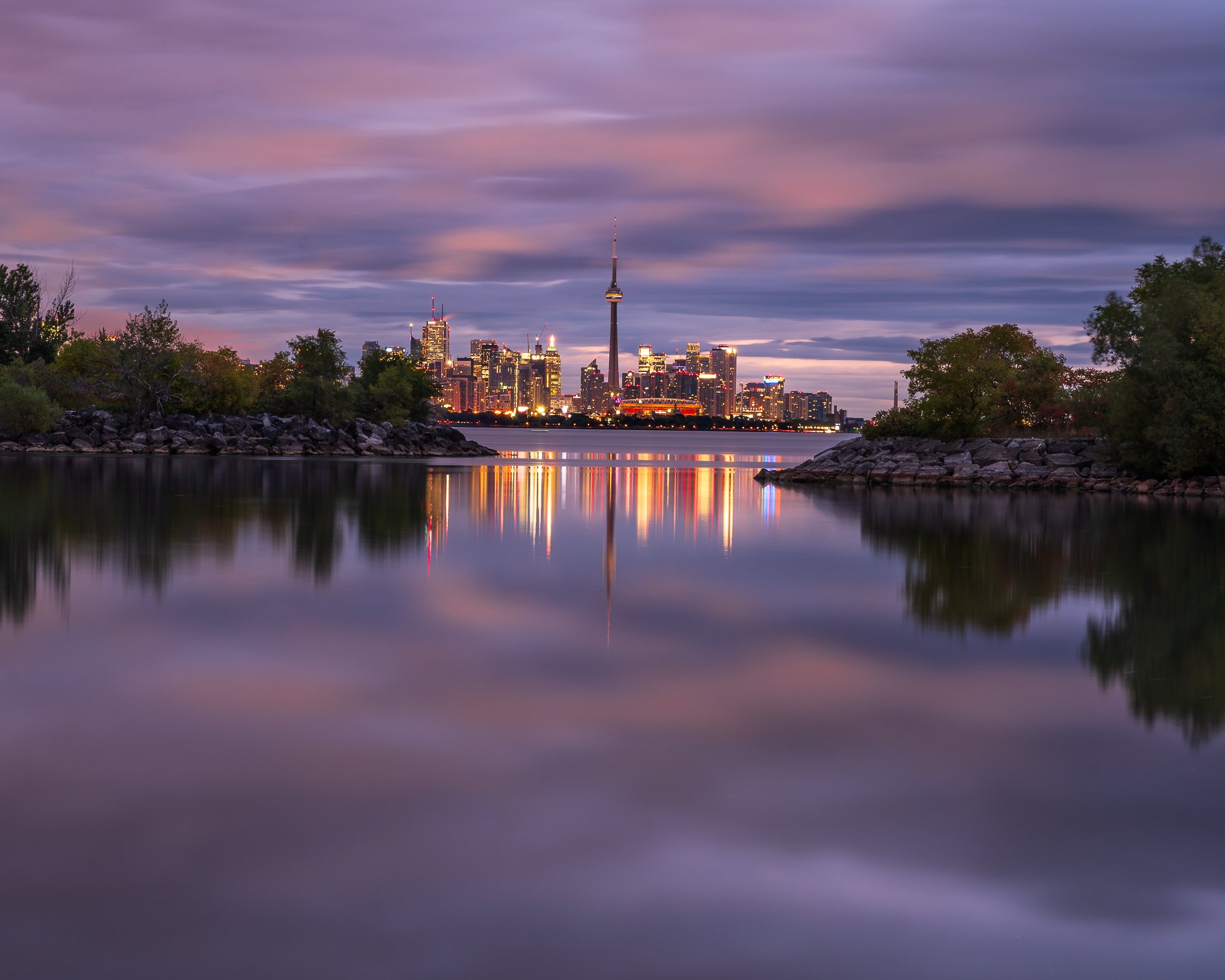


1.Some of your work, like “The Sweet Spot” and “The Morning After,” explores unique lighting conditions. What draws you to blue hour and golden hour, and how do you use these moments to convey emotion?
My favourite thing about this time of day is the anticipation and the surprise of not knowing what you’re greeted with when you get up early and head out in the dark. It can often be the calmest part of the day before the wind whips up and the birds and wildlife are more vocal. With the blues, pinks and mauves that are often present reflecting off the clouds, I like to slow it down and take a longer exposure which smooths out the clouds and water, enhances reflections and intensifies the colours creating a dreamy, serene surprise. I have always liked vibrant colours;from the turquoise of the ocean, to the colour of my car and the clothes I wear.
2. What's the most challenging part of taking photos in a time sensitive window?
The most challenging part of working in a time sensitive manner for me is to calm down and take in the scene. For example, during the various phases of a morning (nautical twilight, blue hour, golden hour, and sunrise) each phase only lasts about 15 minutes. When I see amazing colour starting in blue hour, I get too excited and want to be everywhere at once. I don’t do my best photography when I am running from one place to another. I like to be in the moment and peruse the scene and look for different compositions and perspectives. Are there awesome cloud formations and reflections that would benefit from a longer exposure or is it a pretty golden hour devoid of any clouds with wildlife action requiring a faster shutter speed. I was recently in Botswana during dusk shooting the full moon when a giraffe walked into the scene. I got so overwhelmed with what I was seeing. Before I realized my camera settings were off, he strode out. Most often you have another opportunity to try for the shot, not so with the giraffe.
3. What do you hope viewers experience when they see your work, particularly the pieces featured in CAPTURE?
I hope viewers will experience the awe and joy that I feel when I’m out in nature and be inspired to get out and explore the world for themselves; whether it’s in their own city or travelling further afield. There is so much beauty around us. Going for a walk, taking a weekend drive, or CAPTURING your own sunrise; be present in the moment as you never know what the future
Benjamin Gibson


1.What does the word capture mean to you personally? Is it about freezing a moment, telling a story, or something else entirely?
Thinking about the word “capture” it’s only the first step in the process. The most important, but the first. To capture something is to secure it in place – a moment in time perhaps. To keep something is an entirely different scenario. Good hunters don’t just shoot to kill. They gather it, skin it, butcher it and treat the meat, they give it attention and make it into a part of their life. With photography the same can be said, there is a moment of capture, but then a time comes for choice, and care in the processing of the photo, which photo to print, what format and what size? How to frame it? There is a whole life around works of art as there is a wild animal in the woods. Instead of nourishing the body, the images nurture the soul. I’m a vegetarian for the record.
2. Your work explores the intersection of grit and beauty. What draws you to this duality, and how do you bring it to life in your urban landscapes and portraits?
The more I ventured into commercial photography and filmmaking the more I tried to fight the grit of reality. That’s a lot of what advertising does. The deeper you go into beauty the more you realize perfection is only an illusion that’s very shortly broken by reality. In this series in particular series authenticity of the photos was very important, so processing was kept to a minimal and no retouching was done. I like to keep the grit in the work because it makes it more real, more believable, and maybe not more palatable, but more closely aligned with our shared reality. Through this series of work I embraced the grit of real work, unfinished roads, large industrial ships, dirt and imperfections that despite being pre-conceived as unattractive are actually central to our world and a necessary and inevitable factor to life. And to Canada, the overall subject of the greater series.
3. Are there specific pieces in this exhibit that you feel best represent your artistic philosophy or style? Can you share their backstories?
Light & Lines (Photo taken in Calgary) does a pretty good job of representing the way I look at the world. It’s momentary. Often because moments pass so quickly. I’m often surprised I had the wherewithal to take a photo at all when life moves so fast. Maybe that’s part of why the concept of Capture is interesting Somethings are not looked at as beautiful until you see them in a new way. In this moment, the sun hitting the concrete was beautiful. A minimal and simple abstract painting happening in nature. This photo was part of a short timelapse, trying to capture the suns movements, but the single image represented what the moment was, more than the video in this case.
4. If there’s one takeaway you want people to have after experiencing your work, what would it be?
If people take anything away from my work, I’m grateful. If I could choose, I would want people to step outside of themselves for a moment when they look at my work. Get lost in a moment that looks at something in a unique perspective. They are now experiencing a thing it in a different way. I would like the viewer to take away the understanding that many perspectives exist and are valid. Be it through the eyes of someone else’s moment or a share moment in time. Moments that will never really exist again. I’d be more interested to learn more about any given viewer, their life, and their loves, than they might realize, for instance. And I of course would love it if they visited my website and followed me on Instagram to keep up with new work.
Anastasiia Khvostyk


1.Your work beautifully showcases bustling urban life and serene natural landscapes. What draws you to explore this duality, and how do you balance these contrasting worlds in your photography?
The duality of urban life and natural landscapes fascinates me because it reflects the diverse experiences that shape our world. Urban scenes offer vibrant energy and dynamic stories, while nature provides a sense of calm and timeless beauty. Balancing the two in my photography lets me explore both sides of life, highlighting the unique character of each—whether it’s the hustle and movement of city life or the tranquility of a quiet forest.
2. How do you adapt your techniques and style when transitioning between photographing urban environments and natural landscapes?
Photographing urban environments often means focusing on compelling angles, creative framing, and capturing fleeting human moments. Nature, on the other hand, is unpredictable—it’s shaped by shifting weather, light changes, and unique moods, like the drama of a sunrise or the softness of a cloudy day. This unpredictability makes every nature shot distinct and pushes me to be patient and adaptable, creating imagery that feels truly connected to the moment.
3. How has living in Toronto influenced your artistic perspective, and what unique opportunities has the city provided for your photography?
Living in Toronto has profoundly shaped my artistic vision, offering a vibrant mix of cultures, architecture, and green spaces to explore. The city has given me incredible opportunities, such as showcasing my work at exhibitions like “Capture” at Twist Gallery. These events not only allow me to share my art but also connect me with like-minded individuals who inspire and support my creative journey, helping me set and achieve new artistic goals.
Alex Christoforou

Image via Alex Chistoforou
1. Can you share more about the transition from your abstract work to architectural photography? How has that evolution influenced your artistic vision?
My past abstract work was largely made up of mirrored objects creating an abstract form. Soon after I began applying this to architecture, I was inspired to focus solely on the buildings in their original form. While I have largely moved away from abstract, the mirrored technique can still be found in my recent work including “escalate” which is part of this exhibition. This gradual change has influenced the way I perceive architecture. Abstract principles have always encouraged me to look beyond the surface and not take things at face value.
2. How do you decide which architectural details to highlight in your work, and what draws you to a particular structure?
One of the many aspects I like to focus on is the directionality of lines and light. I use these two variables in tandem to draw the viewers eye. This influences my decisions as to what details to highlight. I’m usually drawn to various forms of architecture including brutalism, neo-futurism, Georgian revival and gothic. I usually am drawn to a subject for their architecture as well as their surroundings. Since simplicity is the hallmark of my style, empty skies and buildings standing alone typically catch my attention.
3. What guided your decision in selecting these specific pieces for the Capture exhibit?
I wanted to display my signature style as well as some new concepts I’ve been working on. As an artist I’m always trying to find new ways to expand my approach, adding more uniformed images to separate from my black collection. All of the selected works fit my minimalistic style, while still highlighting the immense detail. I also choose to use metallic paper for all my black images, bringing out more of the silver and gold, while also affecting how light interacts with the physical image.
4. How do you hope viewers connect with your body of work?
The balance and simplicity in my work creates an immersive experience, while also offering viewers the space to focus on smaller details in each structure. There tends to be more scrutiny with minimalist works as the details tend to be emphasized. My hope is that each person who views these works are able to pick up on how the isolation in each piece affects not only the buildings themselves but the entire composition.
adam cohen
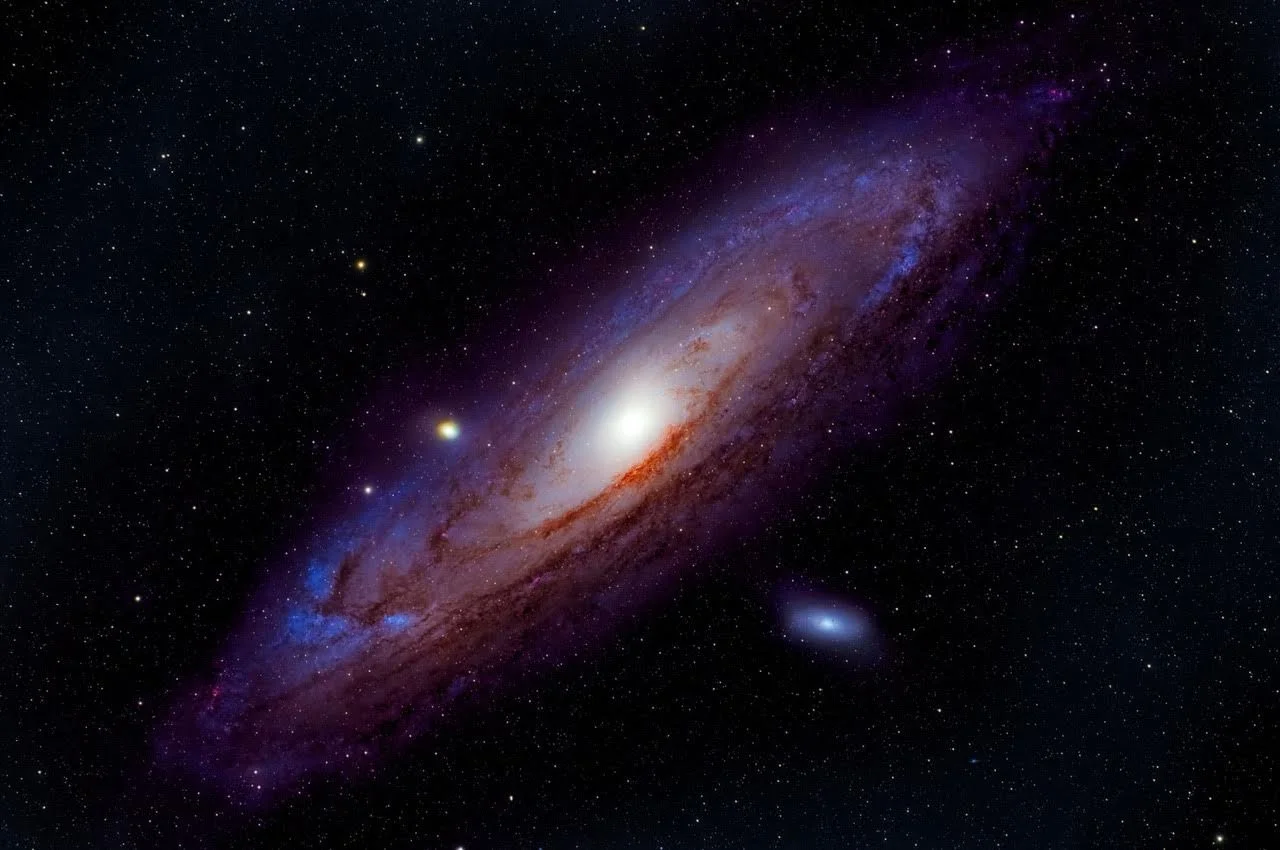
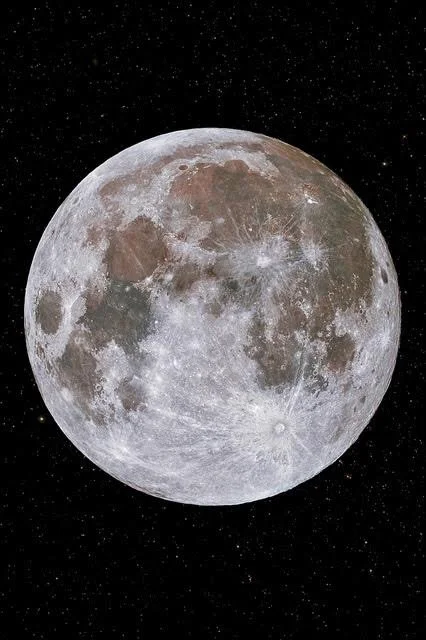
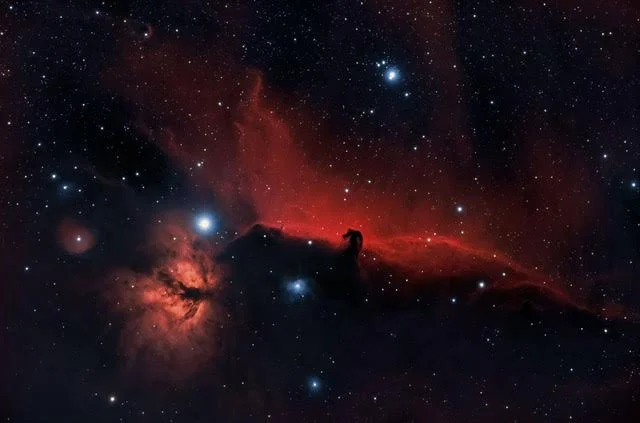
1. How do you decide which celestial subjects to focus on for your projects?
I decide which celestial subjects to focus on for my projects based on a combination of personal interest and current astronomical events. I keep an eye on planetary alignments, meteor showers, and significant space missions. I also consider the accessibility of certain celestial events from my location and the equipment I have available. Sometimes, inspiration comes from the stories and myths surrounding different celestial bodies, making them intriguing subjects to capture and explore.
2. Can you elaborate on how working with your mentee, an astrophysics graduate, has influenced your creative process?
Working with my mentee, an astrophysics graduate, has greatly influenced my creative process by introducing me to new scientific concepts and perspectives. Their deep understanding of astrophysics challenges me to think beyond the visual aspects and consider the scientific significance of what I am capturing. This collaboration enriches my projects, allowing me to create images that are not only visually striking but also scientifically informative. It's a dynamic exchange of ideas where science meets art, leading to a more comprehensive narrative in my work.
3. How do you think astrophotography contributes to a greater public appreciation for science and the universe?
Astrophotography plays a significant role in fostering public appreciation for science and the universe by making the cosmos more accessible and relatable. Through the lens of a camera, distant galaxies and nebulae become tangible, sparking curiosity and wonder. These images bridge the gap between complex scientific discoveries and the general public, inspiring a sense of connection to the universe. By showcasing the beauty and vastness of space, astrophotography encourages people to explore and learn more about the cosmos, ultimately enhancing public understanding and appreciation of science.
Varad Thalnerkar


1. What drew you to photography as a way to express yourself and connect with others?
As I ventured out to practice and experiment, photography became more than a hobby—it became a way to connect with others. Meeting people who shared my passion was inspiring, and the love and support from this creative community have kept me motivated to grow and bring my best to the table. Photography, for me, isn’t just about capturing images; it’s about building relationships, sharing stories, and expressing emotions that words often can’t convey.
2. How has exploring various types of photography enhanced your creativity and approach to storytelling?
Each genre has taught me something unique. Portraits taught me to capture the essence of a person; street photography honed my ability to find beauty in the everyday; and astrophotography deepened my patience and appreciation for the vastness of the universe. These experiences have not only expanded my creative horizons but also allowed me to use my camera gear to its fullest potential. By embracing diversity in my work, I’ve become a better storyteller, able to weave emotions, light, and perspective into a narrative that resonates with viewers.
3. What advice would you give to aspiring photographers who are exploring different genres of photography?
Consistency is key. Keep capturing moments, experimenting, and learning from your mistakes. Remember, every photograph tells a story, so take the time to understand what you want to say through your work. And most importantly, enjoy the journey. Photography is as much about personal growth as it is about creating art.
Colin Shillingford
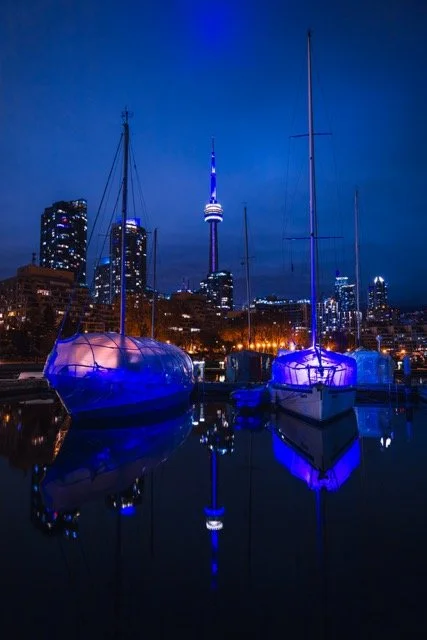
Image via Colin Shillingford
1. How did you select the pieces featured in the Capture exhibit, and what themes guided your choices?
I chose images that were all shot at locations along the Toronto waterfront, featuring picturesque views of the skyline. Each piece I’ve chosen communicates a sense of stillness and serenity which I experienced while capturing all of these unique moments in my daily life.
The collection as a whole is vibrant and full of colours that are deeply saturated and harmonious with each other, or complementary with the other selections. All of the compositions combine to create a snapshot of Toronto’s beauty and essence.
2. What kind of response do you hope to evoke in viewers through your body of work?
I hope that viewers feel compelled to meditate on the peaceful energy that exists within the images I create. The feedback I receive about my art often refers to the emotions and moods that are contained in my photographs.
Blue is the colour that appears most in my photos and I love the way it resonates with others. I try to combine different tones and shades of blue in order to evoke an energy that people associate with tranquility, spirituality, nature, depression, love, sadness and other other similar meanings.
My overall wish is that those who observe my work are left feeling soothed and stimulated to contemplate whatever range of thoughts or feelings that are sparked by their own imaginations.
3. What is your favourite part of the creative process when it comes to capturing photographs, and what aspect of it brings you the most fulfillment?
I typically begin the process of creating my images by taking a camera with me outdoors in search of locations that offer me a combination of picturesque views as well as an opportunity to shoot in solitude. This is why my shots generally do not have crowds of people in them.
Capturing photos of Toronto that communicate a feeling of ‘loneliness’ (even at times when there are people out and about in the places where I’m shooting) is something I have become more and more drawn to along my journey as a photographer. There’s an aura of mystery and enchantment that I feel when I look back at my images that fuels me to continue further down that path.
Considering that millions of people live in the city and the downtown area is so densely populated, I feel like the work I do is a testament to the fact that peace and moments of seclusion can be found in urban environments if you make the effort to search for them.
My favourite activity apart from documenting beautiful sunsets (and sunrises) and learning different shooting techniques with my camera has to be the editing process. I get to relive each moment in front of my computer screen and breathe life back into the moment so that the moment can be experienced for an eternity by myself and others. It’s at this stage where I really get to pour my artistic instincts and sensibilities into each picture. Tweaking the colours and lighting, and finding the right balance of saturation and contrast until everything feels right is the most rewarding part of it for me.
To fully immerse yourself into the exhibit, visit Twist Gallery in person at 1100 Queen Street West, Toronto. The exhibit will run from Jan. 3rd to Jan. 27th, 2025. All artwork sizing and pricing is available on Twist’s art for sale page.